What To Do on Koh Lipe: Best Beaches, Hidden Spots & Island Sights

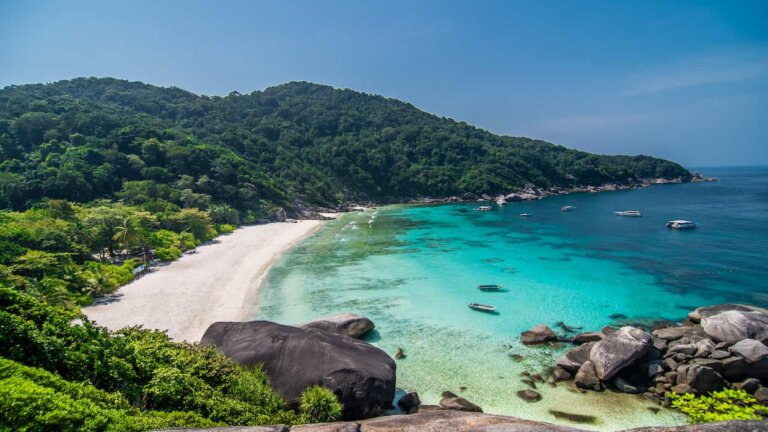
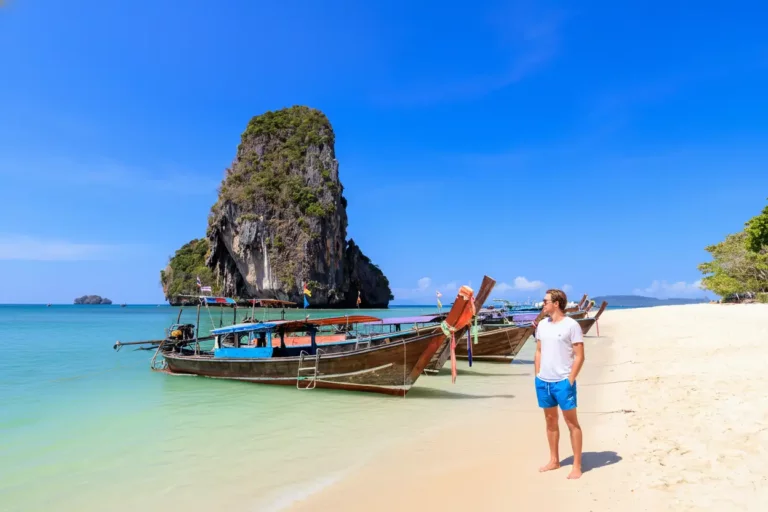
A Koh Lipe beach experience goes well beyond lying on white sand – this small Thai island in the Andaman sea is famous for clear turquoise waters, coral reefs, stunning sunrises and sunsets, and proximity to nearby islands. Whether you want to relax on the morning of a quiet day or enjoy an active day of snorkelling and island hopping, there are plenty of ways to enjoy the island.

Each beach has its own character, with Sunrise Beach being ideal for an early start, Pattaya Beach being the most lively and convenient, while Sunset Beach having a slower tempo in the evenings. Beyond the shoreline, things to do in Koh Lipe involve snorkeling, exploring Walking Street, and hiking on nearby Koh Adang, and exploring more quiet coastal spots.

Be Your Guides offers an alternative to sightseeing checklists, providing more personal experiences when it comes to travelling in Thailand. It is particularly beneficial when wanting to combine a relaxed Koh Lipe beach day with outdoor activities and time to explore at your own pace.

Best Koh Lipe Beach Experiences

Choosing the right Koh Lipe beach depends largely on what you want from your day. Rather than asking which beach is universally the best, consider what each location offers.

Sunrise Beach for Early-Morning Views

Sunrise Beach stretches along the eastern side of Koh Lipe and is one of the best places to begin your morning. As the sun rises over the Andaman sea, the beach takes on a peaceful atmosphere, which makes an early walk particularly enjoyable.

It is also a good option for swimming, relaxing and sightsseeing towards Koh Adang (a nearby island). If you are researching the best beach Koh Lipe has for a calm start to the day, Sunrise Beach should be on your list.

Pattaya Beach for Activity and Convenience

Pattaya Beach is the main arrival point for the island and is one of the busiest areas. Boats arrive here, and restaurants, hotels, and other visitor facilities are all located close by.

This Koh Lipe beach is a practical choice when wanting to have easy access to food, shops, boat trips, and other activities. It can be busier than some of the island’s smaller beaches, but that lively atmosphere is part of its appeal.

Sunset Beach for a Relaxed Evening

Located on the western side of the island, Sunset Beach is smaller and generally more relaxed. As the name suggests, it is particularly appealing towards sunset when you can sit by the water and watch the sky change.

For travellers wondering what to do in Koh Lipe after a day of exploring, visiting Sunset Beach is an easy option that requires very little planning.

Quick Koh Lipe Beach Guide

Beach or SpotBest ForWhat to Expect
Sunrise BeachSunrise, swimming and morning walksScenic eastern beach with views toward Koh Adang
Pattaya BeachConvenience and activityMain arrival area with restaurants and visitor facilities
Sunset BeachSunset and quiet timeSmaller western beach with a relaxed atmosphere
Karma BeachPhotos and shallow-water sceneryAttractive coastal views and a distinctive sandbar area
Lipe Secret BeachQuieter explorationA less-publicised option away from the main beach areas

More Things to Do Around Koh Lipe Beach

After exploring a Koh Lipe beach, look beyond the shoreline as some of the most memorable Koh Lipe things to do involve getting into the water or taking a short trip to the surrounding islands.

Go Snorkeling

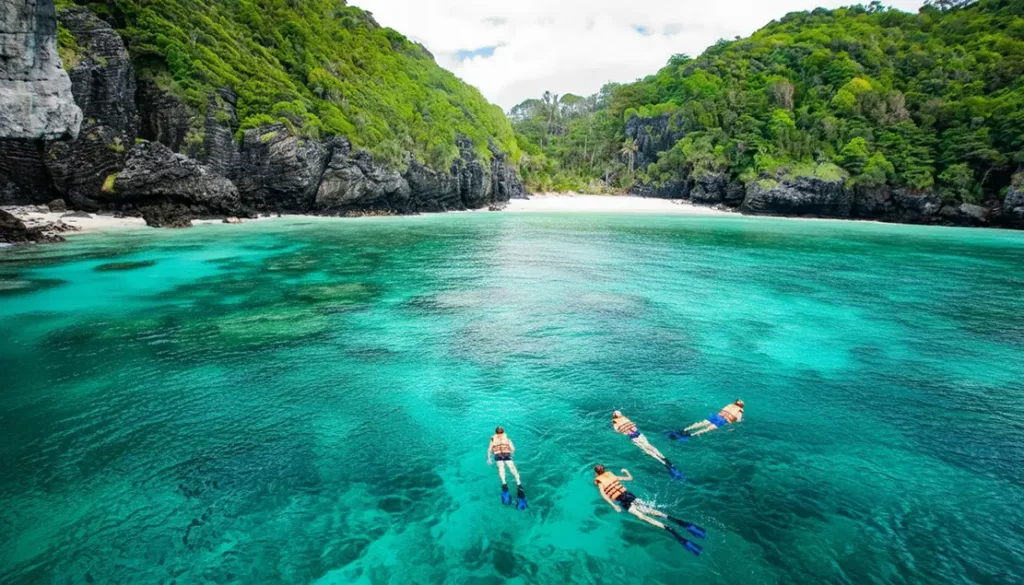
Snorkeling is one of the most popular Koh Lipe activities as the island is surrounded by marine environments and smaller islands. A boat trip can take you to different snorkeling locations where you can see clear water, coral, and tropical marine life.

If you enjoy being on the water without following a crowded schedule, a private boat experience can give you greater flexibility. Travelers continuing their Thailand journey can also explore a Phuket private boat tour avoid crowds for a different coastal experience.

Hike to a Koh Lipe Viewpoint

One of the best ways to see the island from another perspective is to travel across to Koh Adang and hike towards its viewpoint. From further up, you can look back towards Koh Lipe and see the island’s beaches ringed with the blue Andaman Sea.

Although searches for a Koh Lipe viewpoint often refer to viewpoints associated with Koh Adang, the distinction is useful when planning your trip. The hike adds a little adventure to a day that might otherwise be spent entirely on the beach.

Explore Walking Street

Not every answer to what to do on Koh Lipe needs to involve swimming or snorkeling. Walking Street is the island’s central hub, with restaurants, cafes, shops, and places where travellers can arrange excursions.

Visit in the evening after spending the day at the Koh Lipe beach of your choice. It is an easy way to experience the island beyond its coastline.

Discover Koh Lipe Secret Beach Spots

Travelers searching for Lipe secret beach locations are usually looking for quieter alternatives to the island’s main beaches. Smaller coves and less-publicised stretches of coastline can provide a slower experience, particularly if you visit outside the busiest periods.

Koh Lipe secret beach searches can also lead travellers towards lesser-known coastal areas such as Karma Beach. These places should not necessarily be seen as completely untouched or permanently secluded. Access, tides, and visitor numbers can change.

The appeal of a Lipe secret beach is therefore less about finding a completely undiscovered location and more about exploring another side of Koh Lipe away from the busiest sections.

Koh Lipe Tips for a Better Beach Trip

A few practical Koh Lipe tips can make your beach days more comfortable:

  • Start outdoor activities earlier when temperatures are lower.
  • Allow enough time for both beach hopping and a snorkeling or island trip.
  • Check sea and weather conditions before booking boat excursions.
  • Bring suitable footwear if you plan to hike on Koh Adang.
  • Avoid touching coral or marine life while snorkeling.
  • Leave some flexibility in your schedule because weather can affect boat trips.

As the island is relatively compact, you can combine several Koh Lipe beach stops without spending most of your day traveling.

Is Koh Lipe Worth Visiting?

For travellers who enjoy beaches, snorkeling, island scenery, and a compact destination, there is plenty to experience. The island allows for combining quiet mornings, active water excursions, sunset views, and evenings around Walking Street within a relatively short stay.

However, it is important to have realistic expectations as Koh Lipe is a developed tourist destination rather than an untouched island. The main areas have hotels, restaurants, shops, and regular visitor activity.

For couples planning a wider Thailand itinerary, bespoke Thailand travel packages for honeymooners can also be considered when combining island time with experiences in other parts of the country.

FAQs

  1. Which Koh Lipe beach is best for sunrise?

    Sunrise Beach should be chosen to watch the sunrise as it has an east exposure. In addition, it is a nice place to spend some time walking or swimming in the morning.

  2. What are the things to do in Koh Lipe?

    The main things to do in Koh Lipe include beach hopping, snorkeling, island hopping, Koh Adang island visit, hiking to the viewpoint, visiting Walking Street and enjoying sunrise or sunset.

  3. Is Karma Beach worth visiting?

    It could be a good place to visit as part of beach hopping, as the beach offers great scenery of shallow water and coastal landscapes. The conditions might vary due to the tides and weather.

  4. Is there any secret beach in Koh Lipe?

    There are a few secret beaches to visit, which can be found among small, less-known coastal locations. However, they might vary in terms of accessibility and privacy.

  5. Is Koh Lipe worth a short holiday?

    Koh Lipe could be a good place to spend a short vacation because the major sites of the island are quite close to each other. A Koh Lipe beach day could be combined with snorkeling, island hopping or visiting Koh Adang.

Pink Dolphins in Khanom, Thailand: Real or Myth? Here’s What to Know

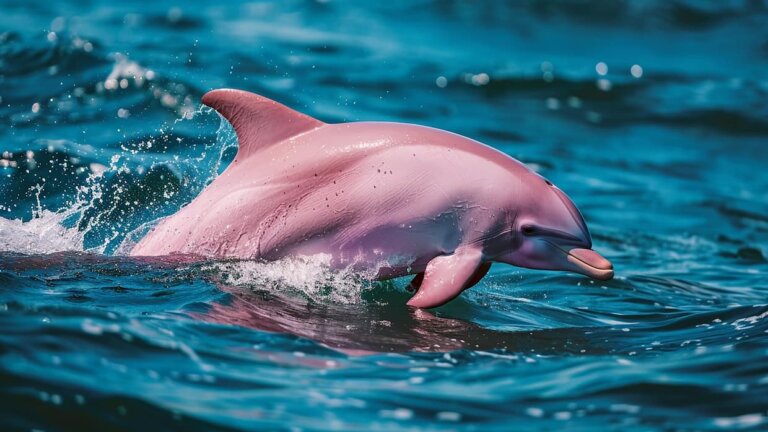
Yes, the pink dolphins in Khanom, Thailand are real, they are Indo-Pacific humpback dolphins (Sousa chinensis), which can be found in the coastal waters of Khanom Bay in Nakhon Si Thammarat province of southern Thailand, and some of them have distinctive pinkish or pale coloration. And because they are wild animals, the sightings are never guaranteed.

Unlike dolphins performing in a marine park setting, these are wild dolphins living in their natural habitat along the coast. Therefore, a pink dolphin in Khanom, Thailand is definitely an exciting but not guaranteed experience. Should you visit Khanom, it will be helpful to know where to find them and what is involved in these boat trips.

Why Khanom Beach Is Worth Visiting

Khanom Beach is a tranquil location characterized by soft sands and crystal clear water. The quiet atmosphere makes it suitable for those seeking relaxation amidst the natural environment. It is in the same coastal area where people visit with the hope of seeing the famous pink dolphins, thus serving as the best place for a pink dolphin in Thailand.

Pink Dolphins in Khanom: Quick Answer

QuestionAnswer
Are they real?Yes.
What species are they?Indo-Pacific humpback dolphins (Sousa chinensis)
Where can you see them?Coastal waters around Khanom, including areas around Laem Prathap
Are they naturally pink?Some individuals develop pinkish or pale coloration
Are sightings guaranteed?No
How do you see them?Usually through local boat trips

Are the Pink Dolphins in Khanom Real?

Indeed, there are pink dolphins in Khanom, Thailand, but the term “pink dolphin” is just a popular nickname for an animal species and not a separate dolphin species. It is the Indo-Pacific humpback dolphins that are often observed in the region of Khanom. These are coastal water inhabitants, being observed in shallow seas and estuaries, including Khanom waters.

It is known that the coloration in these animals may vary greatly. Young dolphins tend to have dark-grey skin coloring, and the coloring of some adults turns into a light-pink one. Such natural coloring is one of the main reasons why pink dolphins in Thailand became so famous in Khanom.

Hence, if your question is, Does Thailand have dolphins?, then the answer is yes – they are in Khanom. In particular, the famous pink dolphins in Khanom, Thailand can become one of the main sights on your visit there.

What Makes the Dolphins Pink?

The pink colour can be a fascinating aspect of the pink dolphin in Khanom, Thailand, although not all dolphins you see will necessarily look bright pink. Their appearance can vary from grey to a pale or pinkish white, depending partly on age and individual characteristics.

This is a good point to remember when watching these wild creatures, as the photos online can make them appear much brighter pink than in the real thing. In reality, you may well see a grey dolphin (common in younger individuals), a pale dolphin or one with a noticeably pink body.

This variation makes a difference every time you see a dolphin, and is part of why it’s such an interesting wildlife experience. It also means that every pink dolphin in Khanom, Thailand sighting can be completely unique depending on the individual and the conditions.

Where Can You Find Pink Dolphins in Khanom?

To answer the question of where you would find a pink dolphin, the good news is that they are not confined to a single point. The animals roam the coastal waters around Khanom, with commonly visited areas including Laem Prathap, Ao Thong Nian and nearby bays.

Laem Prathap is particularly well known as a starting point for local boat trips. From here, you can head off into the surrounding waters to spot dolphins in their natural environment. Some trips also include places like Ko Nui and unusual coastal rock formations.

This also answers the question: where are pink dolphins located? They are not to be found waiting at a specific attraction, but living in the sea. It is the boat operators who search the areas where dolphins are known to be active, on any given day. A pink dolphin in Khanom, Thailand should therefore always be treated as a wildlife experience, never guaranteed.

When Is the Best Time to See Pink Dolphins in Khanom?

Early mornings are normally ideal for a pink dolphin Khanom, Thailand boat trip. Locals often recommend going out around the early hours, when the sea can be calmer and dolphins are likely to be around feeding areas.

The wider season is also important to consider, as boat trips are highly dependent on the weather and sea conditions. Rather than a particular month, look at the local marine conditions before you book a trip.

In particular, remember that these are wild dolphins, and a sighting is never guaranteed, even during a recommended season. Weather, tides, food availability and their own movements can come into play for any trip. If seeing a pink dolphin in Khanom, Thailand is one of your main aims, keeping your schedule flexible is a sensible approach.

How to Watch the Pink Dolphins Responsibly

A responsible approach is always vital when visiting wildlife in its natural environment.

•          Choose a boat operator that observes dolphins without chasing them.

•          Keep a responsible distance and allow the animals to be in control.

•          Never encourage feeding or touching wild dolphins.

•          Avoid loud noises or sudden movements around a pod.

•          Ensure plastic, food packaging and other rubbish are not in the sea.

These simple considerations can help to conserve the marine environment and give other visitors the chance to see the dolphins naturally.

Why See the Pink Dolphins in Khanom?

One reason the pink dolphins in Khanom, Thailand are so appealing is that the experience is so different from a regular tourist attraction. You are not going to a single point of sightseeing, but going out into the coastline and waiting for an animal that is free to move around as it wishes.

The surrounding scenery is also an important addition to a trip, as a boat tour can see you pass along coastal views, local fishing communities, rock formations and other marine attractions.

For people looking for a wider Thailand holiday, Be Your Guides can also help to combine different experiences in a more bespoke itinerary rather than separate destinations. Couples looking for a romantic getaway can also consider bespoke Thailand travel packages for honeymooners, especially when they would like a balance of peaceful coastal experiences and other points around the country.

If you are planning a trip that includes Bangkok before heading south, you can also consider a private travel assistant Bangkok experience to make the wider arrangements easier.

Planning Your Dolphin-Watching Experience

When planning a pink dolphin in Khanom, Thailand experience, leave yourself some flexibility.

  • A morning boat trip is great, but don’t build your schedule solely around a guaranteed sighting.
  • Arriving early, checking the weather and choosing a local operator can make an experience much more relaxed.
  • It’s also worth giving yourself time to enjoy Khanom beyond the dolphins, as its beaches, coastal scenery and more laid-back environment can make the destination worth a visit regardless of any animals.

If you are travelling around the country and want to add another marine experience to your itinerary, you could also look to an early bird Phi Phi island tour from Phuket private for a different side of Thailand’s coastline.

FAQs About Pink Dolphins in Khanom

  1. Are pink dolphins in Khanom real?

    Yes. The pink dolphins that are usually referred to as pink dolphins in Khanom are actual Indo-Pacific humpback dolphins. Some individuals have a unique pale pink or pinkish-white coloration. A pink dolphin in Khanom, Thailand, therefore, is a genuine wildlife observation, though it depends on the coloration of a particular animal.

  2. Does Thailand have dolphins?

    Yes. Thailand has a number of different dolphin species inhabiting its coastal waters. Khanom is famous for the presence of Indo-Pacific humpback dolphins, which may appear pinkish.

  3. Where would you observe a pink dolphin?

    In Khanom, there are usually boat trips to the coastal waters of Laem Prathap and Ao Thong Nian to observe the dolphins.

  4. Where does the pink dolphin live in Khanom?

    There is no definite place. The popular areas to undertake the trips in search of dolphins include Laem Prathap and its surroundings.

  5. Can we always observe pink dolphins in Khanom?

    No. You cannot always see them, as these are wild animals. The observation may be affected by different conditions such as weather and tides.

4 Coolest Waterfalls in Pai for Swimming and Hiking

Pai is all about its laid-back streets, mountain views, and leisurely traveling, but once you go out of the city limits, there is another side of this mountain city that will unfold. There are peaceful water pools, jungle trails, and waterfalls in the hills of Pai that can be enjoyed for two or three hours in a quieter part of the city.

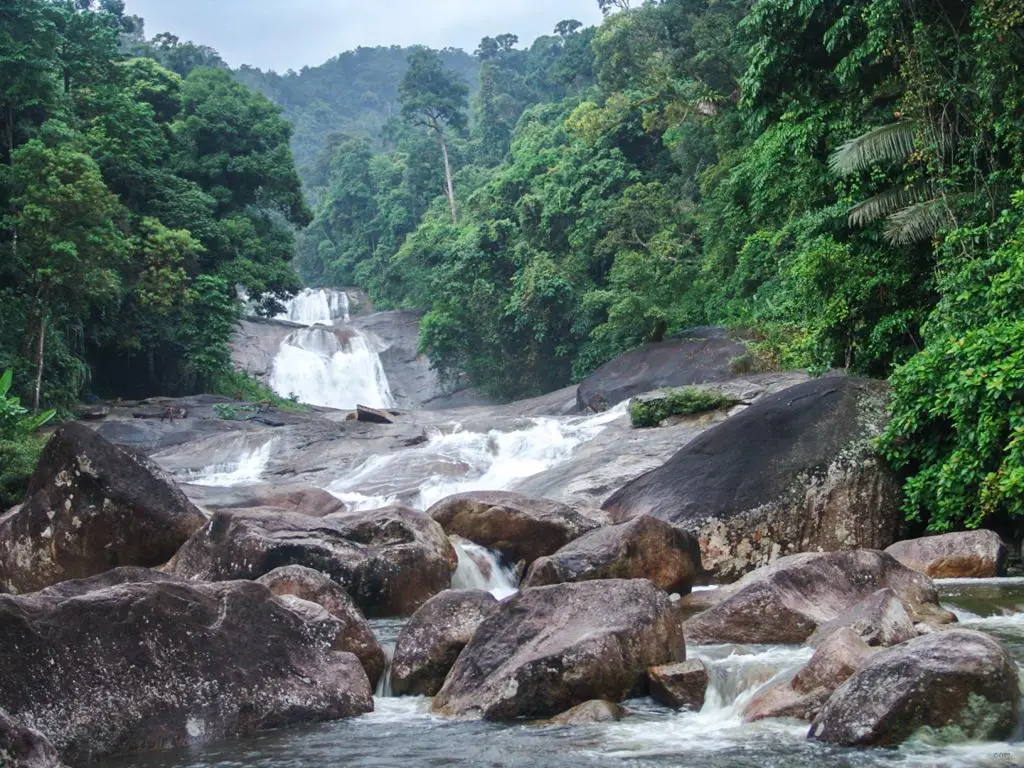
Some of the most beautiful waterfalls in Pai are nearby, whereas some require you to climb into the jungle properly to reach. Whether you love sliding along the smooth stones, taking an invigorating dip in the pool, or climbing into the jungle, here are the four best waterfalls in Pai you need to visit.

The 4 Best Waterfalls in Pai at a Glance

WaterfallBest forEffortWhat makes it special
Mae Yen WaterfallHiking & natureHighJungle trail and river crossings
Mo Paeng WaterfallSwimmingEasyNatural rock slides and pools
Pambok WaterfallShort adventureEasy–ModerateRocky gorge and cool surroundings
Hua Chang WaterfallRemote explorationHighJungle setting and multiple cascades

1. Mae Yen Waterfall – A Jungle Hike Worth Taking

Leave the viewpoints and easy road trips behind for this waterfall in Pai that demands a real trek to get to. The journey itself is part of the experience at Mae Yen, threading its way through the jungle with multiple stream and river crossings before you finally reach the waterfall.

It’s a much more demanding walk than the ones leading to Mo Paeng or Pambok, so you’ll want comfortable shoes, plenty of water and realistic expectations about getting there. The reward at the end makes the steep climb worthwhile though – a tranquil pool at the base of the falls where conditions permit swimming.

For travellers looking for the best hikes in Pai, this isn’t so much about the waterfall itself as it is about the effort involved in reaching it.

2. Mo Paeng Waterfall – Slide Into the Natural Pools

When it comes to the fun side of Pai waterfalls, Mo Paeng is where it’s at. You’ll find this popular waterfall about an easy walk from the main road, and the rock formations, water flow and natural pools make for a great photo opportunity – or a chance to jump in and cool off.

As with many of the best waterfalls in Pai, the rock slide is a big draw. Instead of just walking past the water, you can sit on the smooth rock and slide down the falls to the waiting pool below. There are also some calm spots to float around and take a break from the summer heat.

This is also known as Mor Paeng Waterfall, so you might want to double-check the name before heading out, but just remember that those slick rock surfaces can get very slippery indeed. The quality that makes this one of the best slides in Pai is the same one that puts your safety at risk if you’re not careful around the falls.

3. Pambok Waterfall – Step Into a Rocky Gorge

Pambok Waterfall offers a totally different environment to the other waterfalls in Pai. Instead of open rocky pools, this one is nestled in a narrow gorge of rocks and greenery that creates a shady, sheltered setting perfect for a hot afternoon.

The easy walk to this one makes it a good choice when you want an adventure but don’t have the time or energy for a long hike. As with the others, you may well want to get your swimming gear ready depending on the time of year, but check the conditions before you get too adventurous in the water.

If you’re planning a few waterfalls in Pai, Thailand and looking for one that is a bit different to the others, this is a good option that can be strung together with other nearby attractions on the southern side of town.

4. Hua Chang Waterfall – For a More Remote Adventure

Hua Chang Waterfall is the most remote of the main waterfalls in Pai, requiring a longer and more involved hike to get to. There are some demanding parts as you make your way along the trail through the jungle with shallow river crossings along the way, but that’s really what adds to the charm of this one.

This is definitely more about the journey than the destination, and for those who want to explore beyond the more popular viewpoints near town, this makes a good addition to your waterfall list for Pai, Thailand.

You’ll also sometimes see this referred to online as Huay Chang Waterfall, so double-check the spelling when searching maps or directions.

Which Pai Waterfall Should You Choose?

As you can probably tell from the above, not all of the waterfalls in Pai are created equal. So which one should you choose for your trip?

  • Want to slide and swim? Mo Paeng.
  • Want a proper jungle hike? Mae Yen.
  • Want a shorter walk and dramatic scenery? Pambok.
  • Want a more remote adventure? Hua Chang.

Be Your Guides can help you make the most of your time in northern Thailand by combining natural attractions with experiences that match your travel plans.

When Is the Best Time to Visit Pai Waterfalls?

Water levels will dictate the best times to visit the waterfalls in Pai. In general, you’ll see the strongest flows during and after the rainy season, while the other months will see easier conditions for walking and hiking, but lower water levels.

For swimming, always check the conditions on the day you plan to visit. Heavy rain can make trails and rocks very slippery while the river crossings on longer hikes become more challenging. Good footwear with a strong grip is essential.

If you are looking for the best waterfalls in Thailand to swim, keep in mind that just because the conditions look good doesn’t mean it’s safe to jump in. Avoid areas with strong currents, stay well away from unstable rocks and always follow local guidelines.

Can You Visit Several Pai Waterfalls in One Trip?

Yes, and it’s much easier than you think. If you have limited time, Mo Paeng and Pambok make for excellent choices since they require far less walking than Mae Yen or Hua Chang. Those with a full day could opt for one of the longer hikes and enjoy the forest surroundings for longer.

For a broader northern Thailand itinerary, Be Your Guides can also help you explore other waterfall experiences, including Mu Kaew Sticky Waterfall Chiang Mai private tour options, when your trip extends beyond Pai.

FAQs About Pai Waterfalls

  1. Which waterfall in Pai is best for swimming?

    Mo Paeng is one of the easiest choices for swimming since it includes several natural pools and is also famous for its rock slide. Mae Yen can also provide a pool at the base of the falls under certain conditions.

  2. Which Pai waterfall has a natural rock slide?

    Mo Paeng Waterfall is famous for its natural rock slide, which leads straight into a pool below the falls.

  3. Which is the best waterfall for hiking in Pai?

    Mae Yen is one of the strongest choices if you want a real hiking experience. The trail to this waterfall is much more demanding than the other waterfalls in Pai, as it snakes its way through the jungle with multiple river crossings along the way.

  4. Are the waterfalls in Pai worth visiting?

    Absolutely, and not just because they’re pretty. From the fun-loving Mo Paeng Waterfall to the demanding hike required to reach Mae Yen, the best waterfalls in Pai have something for everyone.

Thailand Food Tour: Bangkok, Chiang Mai, and Beach Region Compared

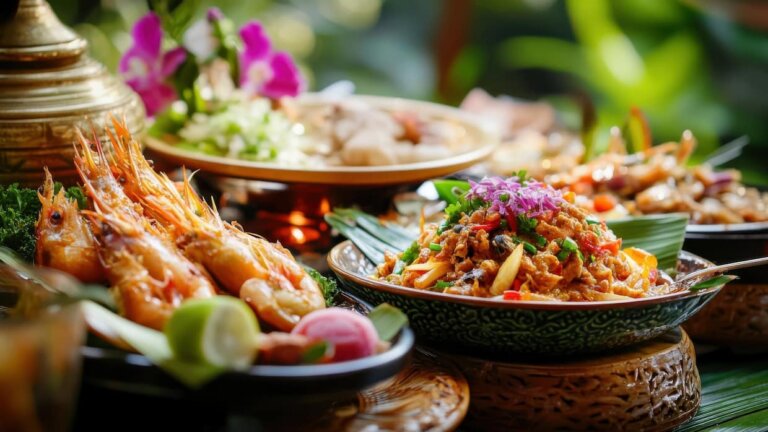
Food is very expressive and can show a lot of information about the area. In Thailand, this becomes even more obvious during the transition between regions. For example, Bangkok features various street food stands and plenty of choices, while Pattaya offers seafood cuisine. Meanwhile, Chiang Mai is famous for Northern Thai cuisine, and Phuket features a unique combination of Thai, Chinese and local cuisine.

This means that a Thailand food tour Bangkok Chiang Mai beach becomes more than just restaurant names. Each region provides its own approach to Thai cuisine and understanding of it may help to choose more desirable destinations.

Bangkok Food Tour: A Guide to Bangkok Street Food

It’s the right choice for those who are more interested in variety. Eating in Bangkok is an important part of everyday life – starting from roadside vendors up to local markets and restaurants.

One can benefit greatly from a Bangkok street food guide because, instead of ordering well-known food, a local can provide some different tastes and explain what you are going to eat. It makes your evening dinner quite an interesting experience.  

Chinatown, Yaowarat, is especially famous for its cuisine. It is considered to be a lively street-food location with stalls providing noodles, seafood, snacks and desserts at the evenings.

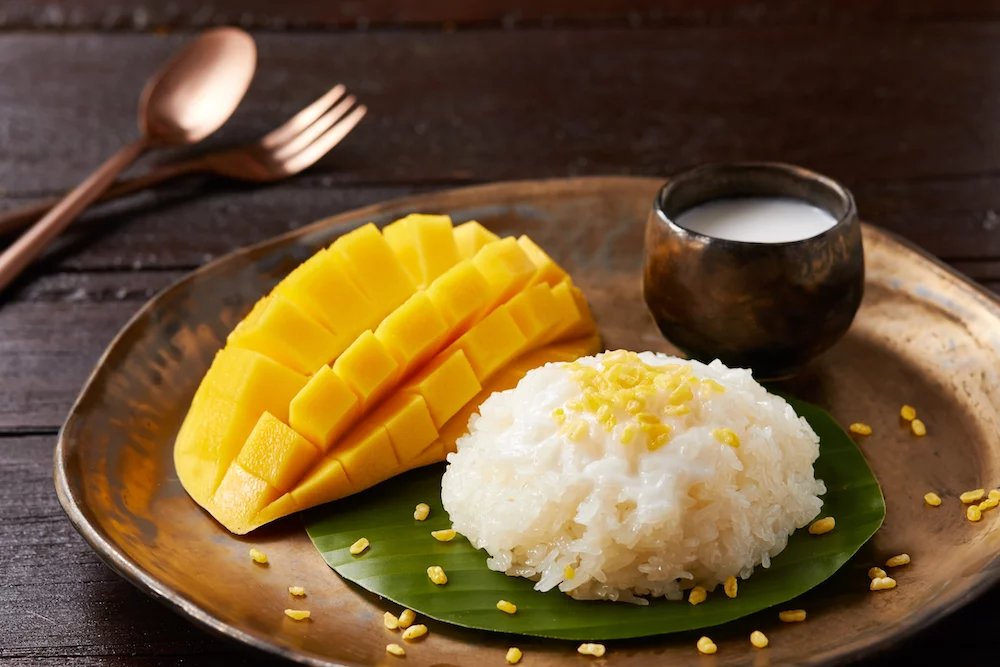
Such dishes as pad kra pao, tom yum, boat noodles, grilled meat, and mango sticky rice can be found here. The most valuable feature of a Bangkok food tour is that there is always something new to try.  

Pattaya Food Tour: Seafood and Local Thai Food

While in Pattaya, visitors will feel a difference in the mood of the place that they visit on their food tour. Pattaya is famous for its beach resorts; however, being a seaside town, seafood will be one of the main features of the city’s cuisine.

A food tour in Pattaya can include prawns, fish, squids and other kinds of seafood as well as traditional dishes in local restaurants and markets. Pattaya offers numerous places where fresh seafood can be tasted.

However, there is a very rational reason why Pattaya must be included in a food tour in Thailand. Pattaya is 150 kilometers southeast of Bangkok and it takes about two hours by road to get there, as noted on Thailand’s Tourism Authority website.

It is easy to combine visiting the beach with experiencing local cuisine and having a seafood dinner after a long day at the seaside.

Chiang Mai Food Tour: Explore Northern Thai Food

Food kind of takes a noticeable turn when the journey starts moving north. Chiang Mai northern Thai food feels like it has its own rhythm, shaped by Lanna traditions, and by ingredients that are strongly linked to this area.

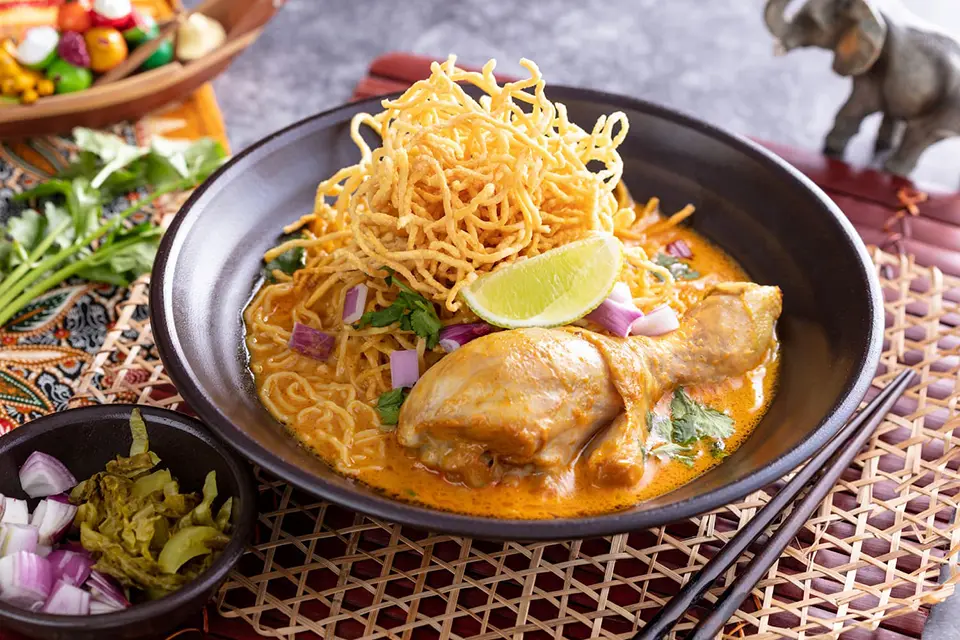
Khao soi is the obvious place to begin. That creamy curry broth, the noodles, and the crisp topping have made it one of the most recognisable plates coming out of Northern Thailand. But a Chiang Mai food tour shouldn’t really stop at that. Sai ua, nam prik, and sticky rice are also things you should try, even if you think you already know the classics.

The Tourism Authority of Thailand specifically points to khao soi as part of Chiang Mai’s local culinary heritage.

Chiang Mai also draws in visitors who actually want to understand regional Thai cuisine, not just collect a few bites. A quick market visit, then a traditional meal, can show you ingredients and cooking styles that won’t always show up on menus in Bangkok.

Even the pace seems different. There’s more room to blend a food moment with the Old City, local markets, temples, and the ordinary everyday flow of life.

Phuket Food Tour: Seafood, Local Dishes and Southern Flavours

Phuket is sort of mostly connected with beaches, but honestly there is quite a bit more happening with its food culture too. The island has built a very particular culinary vibe from Thai traditions, Chinese roots, and the fact that it sits right on the coast.

The Tourism Authority of Thailand even calls Phuket a “City of Gastronomy”, pointing to seafood, street food, and Chinese influences as the main themes.

So a Phuket food tour should really do more than just stop at seafood restaurants. Phuket Old Town is a solid spot to wander around, taste, and get a feel for how the island’s story shaped the food here. You can find traditional noodles, little snacks, everyday local dishes and of course seafood mixed together in one place.

And if you want to tie eating with a beach holiday, Phuket makes it pretty easy. You can do a morning of sightseeing, then an afternoon by the sea, and then in the evening go back out for local bites. It all fits into one day.

Bangkok vs Pattaya vs Chiang Mai vs Phuket

DestinationFood experienceBest forDishes to try
BangkokStreet food and food marketsVarietyPad kra pao, tom yum, noodles
PattayaCoastal food and seafoodSeafood loversPrawns, fish, squid
Chiang MaiNorthern Thai cuisineRegional foodKhao soi, sai ua, nam prik
PhuketLocal, Thai-Chinese and coastal foodFood + beach holidaysSeafood, noodles, local snacks

So, what is the best food tour Thailand has to offer? There is no single answer.

Bangkok stands out as the best place for street food and diversity. Pattaya is worth a thought in case seafood is your primary target. Chiang Mai is the place to visit for Northern Thai cuisine, while Phuket fits in the plan for food, culture, and beaches altogether.

Why Choose a Guided Thai Food Experience?

Finding the most popular restaurants online is not difficult, but it doesn’t always answer the question about what the people there eat and whether their cuisine is worth tasting. The guide will be able to assist in making small decisions such as choosing what to eat and how spicy it is.

At Be Your Guides, we focus on creating local experiences that help travellers understand the destination rather than simply moving between tourist attractions. Food is a natural part of that approach because local dishes often reveal something about a place that a standard sightseeing stop cannot.

For couples planning a special holiday, our bespoke Thailand travel packages for honeymooners can also bring together food, culture, sightseeing and relaxation in a way that suits the trip.

Tips for Making the Most of a Thailand Food Tour

A few simple choices can make a food tour easier and more enjoyable:

  • Choose smaller portions when there are several stops.
  • Ask about chilli levels before ordering.
  • Carry cash for smaller stalls and food markets.
  • Mention allergies or dietary requirements in advance.
  • Try at least one local dish that is completely new to you.
  • Keep some space for Thai desserts and fresh fruit.
  • Do not plan every meal too tightly; local discoveries are often unexpected.

Which Destination Is Best for You?

  • Best for Bangkok street food: Bangkok
  • Best for seafood: Pattaya
  • Best for Chiang Mai northern Thai food: Chiang Mai
  • Best for food and beaches: Phuket
  • Best for variety: Bangkok
  • Best for regional cuisine: Chiang Mai
  • Best overall food journey: Bangkok + Pattaya + Chiang Mai + Phuket

A Thailand food tour Bangkok Chiang Mai beach trip becomes much more interesting when Bangkok, Pattaya, Chiang Mai and Phuket are viewed as four different food destinations rather than variations of the same experience.

FAQs

  1. Which destination is best for a Thailand food tour?

    Bangkok is ideal for variety and street food, while Chiang Mai is particularly good for Northern Thai cuisine. Pattaya and Phuket are strong choices for seafood and coastal food experiences.

  2. What food is Chiang Mai famous for?

    Khao soi is the most famous dish, but sai ua, nam prik and other Northern Thai specialities are also worth trying.

  3. Is Pattaya good for food?

    Yes. Pattaya is particularly well suited to seafood lovers and also offers a wide range of Thai dining options.

  4. What makes Phuket food special?

    Phuket’s food reflects Thai and Chinese influences, with seafood, local noodles, snacks and traditional dishes forming part of the island’s culinary identity.

  5. Is Bangkok good for street food?

    Yes. Bangkok has an extensive street-food culture, with Yaowarat being one of the city’s best-known areas for evening food.

  6. Can Bangkok, Pattaya, Chiang Mai and Phuket be visited on one trip?

    Yes. The four destinations can be combined into a longer Thailand itinerary, giving visitors the chance to experience different regional food traditions during the same holiday.

Excellent Zipline and ATV Adventure Experiences in Thailand 2026 Guide

Feel the rush, fly above the jungle, and turn your Thailand journey into an unforgettable adventure.”

BeYourGuides

Thailand is famous for its beautiful beaches, tropical islands, ancient temples, and vibrant cities—but if you are looking for something more exciting, zipline and ATV adventures offer an unforgettable way to explore the country’s natural landscapes.

From flying through the rainforest canopy in Chiang Mai to riding an ATV through jungle trails in Phuket and Pattaya, these experiences combine adrenaline, nature, adventure, and spectacular scenery in one exciting day.

Whether you are traveling with friends, as a couple, or with an adventurous family, Thailand has a wide range of activities to suit different ages and experience levels.

Please note: Age, weight, and health requirements vary by operator and package. Always check the specific requirements before booking. For example, some Thai zipline operators use minimum weights around 20 kg and maximum weights around 120 kg, while ATV driving commonly requires participants to be at least 15 years old.

Who Can Join Zipline and ATV Experiences?

Zipline and ATV activities are suitable for many travelers, including:

  • Adventure seekers looking for an adrenaline rush
  • First-time participants with no previous zipline or ATV experience
  • Couples looking for an exciting outdoor activity
  • Families with older children and teenagers
  • Groups of friends traveling together
  • Travelers who want to experience Thailand’s forests and mountains from a different perspective

No previous experience is normally required. Professional guides generally provide safety briefings and instructions before the activity begins.

However, participants should be in reasonably good physical condition and comfortable with outdoor activities. Restrictions may apply based on age, weight, medical conditions, pregnancy, and physical ability. Requirements vary between operators, so always check the individual tour details before booking.

For ATV adventures, children are generally not allowed to drive independently. For example, some operators require ATV drivers to be at least 15 years old, while younger children may participate only as passengers.

Why Is It Worth Doing?

🌳 Experience Thailand’s Nature from a Different Perspective

Instead of simply walking through the forest, ziplining lets you fly above the jungle canopy, while an ATV adventure takes you onto dirt trails, hills, and off-road routes.

⚡ Add Adventure to Your Thailand Holiday

If your itinerary already includes temples, beaches, markets, and sightseeing, a zipline or ATV experience provides a completely different type of excitement.

📸 Enjoy Incredible Scenery

Many courses are surrounded by tropical forests and mountain landscapes. Some experiences also offer spectacular viewpoints, including ocean views in Phuket.

👨‍👩‍👧‍👦 Great for Groups

Adventure activities can be particularly fun when traveling with friends or family. You can challenge yourself together and share memorable moments after the experience.

🏔️ Combine Multiple Activities

Many adventure parks offer combination packages, such as zipline + ATV, or zipline together with jungle luge, roller coasters, sky bridges, or other activities.

For example, Sky Hawk in Chiang Mai offers packages combining zipline and ATV, with safety equipment and trained staff.


These Are What We Recommend

Chiang Mai

Surrounded by mountains and lush tropical forests, Chiang Mai is one of Thailand’s best destinations for outdoor adventure. Its jungle environment provides an ideal setting for ziplining, ATV riding, jungle coasters, and other activities.

1. Chiang Mai Sky Hawk Zipline Adventure with Options

Chiang Mai Sky Hawk Zipline Adventure with Options

A great option for travelers who want flexibility because several packages are available.

Depending on the option selected, visitors can enjoy ziplining, sky bridges, abseiling, and ATV adventures. The ATV program includes a training session and routes that can combine roads with off-road jungle terrain.

Best for: First-time adventurers, families with older children, couples, and travelers who want a choice of activity packages.

2. Kingkong Smile Zipline Adventure

Kingkong Smile Zipline Adventure

Kingkong Smile is an exciting choice for travelers who want to experience Chiang Mai’s forest scenery while enjoying a high-energy zipline adventure.

The experience is particularly suitable for travelers who want a combination of beautiful natural surroundings and thrilling aerial activities.

Best for: Adventure seekers, couples, friends, and families looking for an exciting outdoor experience.

3. Skyline Jungle Luge Zipline

Skyline Jungle Luge Zipline

This is an excellent choice if you want more than just ziplining.

The experience can include 21 ziplines, a 2.1-kilometer jungle luge track, sky bridges, a giant swing, and abseiling, depending on the selected package.

Best for: Travelers who want a full adventure experience rather than a single activity.

4. Jungle Flight Zip Line Roller Coaster Eco Adventure

Jungle Flight Zip Line Roller Coaster Eco Adventure

For travelers who love adrenaline and jungle scenery, Jungle Flight combines the excitement of ziplining with additional adventure elements.

It is a good choice for those who want to spend several hours exploring Chiang Mai’s forest environment while enjoying an active outdoor experience.

Best for: Adventure lovers, active travelers, and groups of friends.

5. Tarzan World Adventure Zipline and ATV

Tarzan World Adventure is a good option for travelers who want to combine two different types of adventure: flying through the trees by zipline and riding an ATV through outdoor terrain.

The combination is ideal for travelers who want both aerial excitement and off-road action in the same experience.

Best for: Active travelers, couples, friends, and adventure-focused families.

6. Pongyang Jungle Coaster & Zipline

Pongyang Jungle Coaster & Zipline

Pongyang is an excellent choice for travelers who want to combine ziplining with a jungle coaster experience.

The jungle setting makes this a particularly attractive option for visitors looking for adventure + nature + spectacular scenery in one trip.

Best for: Families with older children, couples, and travelers who want several activities in one location.


Pattaya

Pattaya is best known for its beaches and entertainment, but the destination also offers outdoor adventure experiences for travelers who want something beyond the city.

1. Tarzan World Adventure Zipline and ATV Pattaya

Tarzan World Adventure in Pattaya offers the opportunity to combine zipline and ATV adventure in one experience.

It is a convenient choice for travelers staying in Pattaya who want to add an active outdoor experience to their holiday without traveling to Chiang Mai or Phuket.

Best for: Couples, groups of friends, families with older children, and adventure seekers.


Phuket

Phuket is particularly attractive for adventure lovers because its tropical landscape combines jungle, hills, and ocean views.

1. Skyline Zipline and ATV / UTV Bike Adventure

Skyline Zipline and ATV / UTV Bike Adventure

This is one of the best choices for travelers who want to experience both ziplining and off-road riding.

Depending on the selected option, visitors can enjoy a combination of aerial adventure and ATV/UTV riding through Phuket’s natural surroundings.

Best for: Adventure seekers, couples, friends, and travelers who want two activities in one trip.

2. Erawan Patong Zipline with Ocean View

Erawan Patong Zipline with Ocean View

If you want a zipline experience with a view, Erawan Patong is an attractive option.

The course provides views around the Patong area while you experience the thrill of flying through the air. The operator states that its zipline is suitable from age 4 and has a maximum weight of 120 kg, subject to its safety requirements.

Best for: First-time zipliners, families, couples, and travelers who want a combination of adventure and scenery.

3. Samui Zipline Lipanoi

Koh Samui is another excellent destination for travelers who want to experience Thailand’s tropical scenery from above.

A zipline adventure in Lipanoi offers an opportunity to add an active outdoor experience to a beach holiday, making it particularly appealing for travelers who want something different from swimming and sightseeing.

Best for: Couples, friends, families, and travelers staying on Koh Samui.


Zipline vs. ATV: Which Adventure Should You Choose?

ExperienceBest ForMain Attraction
ZiplineFamilies, couples, first-timersFlying through the forest canopy
ATVAdventure seekersOff-road jungle riding
Zipline + ATVGroups and active travelersTwo adventures in one trip
Zipline + LugeFamilies and thrill seekersFlying + downhill racing
Seaview ZiplineCouples & photographersAdventure with ocean scenery

If you are nervous about heights, an ATV experience may be more comfortable.

If you want to see the jungle from above, choose a zipline.

And if you cannot decide, a zipline + ATV combination gives you the best of both worlds.


What Should You Wear?

For most zipline and ATV adventures, we recommend:

  • Comfortable sportswear
  • Closed-toe shoes or sneakers
  • Clothes that you don’t mind getting dusty or muddy
  • Sunscreen
  • Insect repellent
  • A small amount of drinking water
  • Secure your glasses, phone, and other loose items

Closed-toe footwear is especially important for ATV activities and is commonly required or strongly recommended by operators.

During Thailand’s rainy season, jungle trails can become muddy, so wearing clothes and shoes suitable for outdoor conditions is a good idea.


Safety Tips for Zipline and ATV Adventures in Thailand

Adventure is more enjoyable when safety comes first.

Before booking, check:

  1. Age requirements
  2. Weight limits
  3. Health restrictions
  4. Whether safety equipment is provided
  5. Whether professional guides accompany the activity
  6. Whether insurance is included
  7. Whether the activity can be changed because of bad weather

Established operators may use professional safety equipment, trained guides, and formal safety standards. For example, some Thai zipline operators state that their facilities meet EN 15567 standards and use redundant safety systems.

Always follow your guide’s instructions and never participate if you feel physically unprepared.


Which Destination Is Best for You?

🏔️ Choose Chiang Mai if…

You want mountains, jungle scenery, and a wide variety of adventure activities. Chiang Mai offers particularly strong choices for zipline, ATV, jungle coaster, luge, and combination experiences.

🌴 Choose Phuket if…

You want to combine adventure with a beach holiday. Phuket is especially appealing if you like the idea of jungle activities with spectacular views, including ocean scenery.

🌊 Choose Pattaya if…

You are already staying in Pattaya and want a convenient outdoor adventure without making a separate trip to another destination.

🏝️ Choose Koh Samui if…

You want to add a zipline experience to a tropical island vacation.


Thailand’s zipline and ATV adventures are a fantastic way to experience the country’s natural beauty from a completely different perspective.

From the mountains and forests of Chiang Mai, to the jungle and ocean views of Phuket, and the convenient adventure options around Pattaya, there is something for almost every type of traveler.

Whether you choose to fly through the treetops, race down a jungle luge track, ride an ATV through off-road trails, or combine several activities, these experiences can turn an ordinary Thailand holiday into an unforgettable adventure.

Ready for an adventure? Explore our recommended zipline and ATV experiences and choose the experience that matches your travel style, destination, and comfort level.

Activity availability, age/weight restrictions, itineraries, and safety requirements can change. Please check the specific product page before booking.

10 Essential Ways to Avoid Tourist Scams in Thailand and Travel Safely

The best souvenir is a collection of happy memories, not a lesson in how you got tricked.”

BeYourGuides

10 Essential Ways to Avoid tourist scams in Thailand and Travel Safely

tourist scams in Thailand are easy to avoid if you know what to look for before arriving. While the Land of Smiles is highly hospitable, basic awareness of common tricks ensures you spend your budget on authentic experiences rather than elaborate local traps designed to target unaware vacationers.

Why This Matters / Who It’s For

Planning a dream trip to Southeast Asia takes weeks of budgeting, mapping, and excitement. The last thing you want is to feel targeted, frustrated, or stressed during your hard-earned vacation. This guide is crafted specifically for solo travelers, couples, and first-time visitors who want practical scam prevention tips to confidently navigate bustling city streets, beach towns, and local transport networks like a pro.

The Top 10 Scams and How to Be Smarter Than Them

1. The “Grand Palace is Closed” Trick

This is perhaps the classic entry in the book of tourist scams in Thailand. As you approach major sights like the Grand Palace or Wat Pho, polite individuals will approach you to claim the temple is closed for a holiday, cleaning, or a royal ceremony.

  • The Trap: They will offer to take you to alternative open temples via Bangkok tuk-tuk drivers.
  • How to Avoid: Ignore anyone outside the gates. Walk straight to the official ticket booth to check yourself. You can verify temple schedules directly on the Tourism Authority of Thailand website.

👉 Book the Grand Palace with BeYourGuides.com


2. The Infamous Thai Gem Showcase

Often tied to the “closed temple” routine, this trick targets your desire for an exclusive local deal. Your driver takes you to an authorized-looking jewelry boutique where salesmen convince you that you can resell local stones back home for massive profit.

  • The Trap: The precious items are actually cheap glass or low-grade synthetic rocks.
  • How to Avoid: Never buy gems or jewelry from shops recommended by random drivers. Stick to certified, major retail outlets if you are serious about purchasing.

3. The Jet Ski Damage Setup

Popular on beaches in Phuket and Pattaya, this trap can turn a fun afternoon into an expensive nightmare.

  • The Trap: When you return the rented jet ski, the operator claims you caused structural scratches or cracks and demands thousands of dollars, sometimes backed by aggressive associates.
  • How to Avoid: Take clear, high-resolution photos and video of the entire watercraft before handing over any money or leaving the shore. Better yet, book your ocean activities through reputable providers recommended directly by beyourguides.com.

👉 Book the Jet Ski Island Trip in Pattaya with BeYourGuides.com


4. The Unmetered Ride Demands

Taxis waiting directly outside hotels, transit hubs, and nightlife districts frequently refuse to turn on their digital distance trackers.

  • The Trap: They quote a flat price that is up to four times the standard legal rate.
  • How to Avoid: Always insist on metered taxis in Bangkok. If the driver refuses, politely exit the car and hail a moving taxi from the street, or use trusted ride-hailing apps to lock in your price ahead of time.

5. The “Wrong Change” Convenience Store Rush

When buying snacks or water at late-night convenience stores, you might hand over a large bill and receive far less money back than expected.

  • The Trap: Clerks take advantage of tired travelers unfamiliar with local currency colors and denominations.
  • How to Avoid: Slow down at the register. Count your banknotes explicitly in front of the cashier, and check your pocket change before walking away from the counter.

6. The Bird Seed Handout

While walking near historic squares or popular river docks, someone might smile warmly and thrust a bag of bird food directly into your hands.

  • The Trap: Once the birds eat, the handler aggressively demands a high fee for the food you already used.
  • How to Avoid: Keep your hands to yourself. If someone tries to pass you an object, drop your hands, say a polite “No thank you,” and keep walking.

7. The Distraction Pickpocket Team

Crowded markets like Chatuchak or busy public trains are primary hunting grounds for organized groups working together.

  • The Trap: One person bumps into you or drops an item to draw your eye while their partner slips your wallet out of your loose pocket.
  • How to Avoid: Secure your valuables in a zipped cross-body bag worn on your front, and avoid keeping smartphones in your back pockets during transit.

8. The Bar Bill Inflater

Visiting lively entertainment zones can lead to unexpected bills if you are not careful about what you order.

  • The Trap: You are invited to a venue with promises of cheap drinks, only to face an enormous bill filled with hidden stage fees, service taxes, and unrequested lady drinks.
  • How to Avoid: Always look closely at printed menus before ordering, and pay for each round of drinks as it arrives to keep track of your actual spending.

9. The Border Bus Visa Fraud

When taking overland buses from neighboring countries, your transport might halt just before reaching the immigration point.

  • The Trap: Drivers state that you must pay them an elevated fee to process your entry paperwork immediately.
  • How to Avoid: Keep your passport in your hands. You can easily walk to the official immigration windows yourself to pay the standard government entry fees without middlemen.

10. The Cheap Rental Passport Hold

Scooter rental shops often ask to hold your physical passport as a security deposit before handing over the keys.

How to Avoid: Never leave your actual passport with a rental company. Offer a high-quality photocopy along with a cash deposit instead to ensure you retain control of your travel documents.

The Trap: They may use your physical passport as leverage to force you to pay for pre-existing scratches on the scooter.


FAQs about Tourist Scams in Thailand

Q1. How do I report active tourist scams in Thailand to local law enforcement?

You can contact the dedicated Tourist Police immediately by calling their emergency hotline at 1155. They have English-speaking officers trained specifically to assist international visitors with transport disputes, theft, and vendor fraud.

Q2. Are Bangkok tuk-tuk drivers safe to use for daily transit?

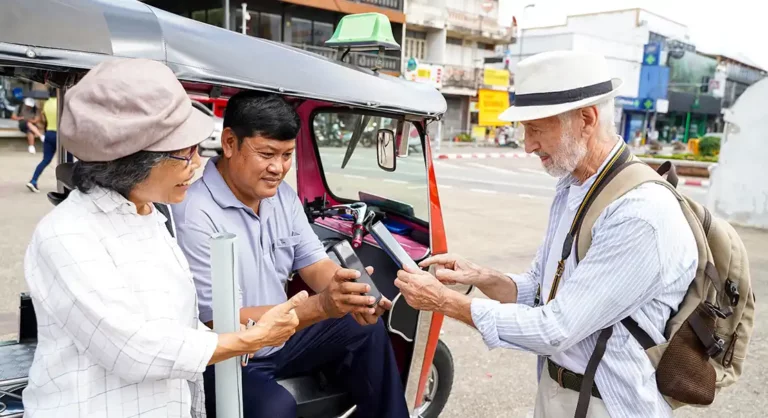
Yes, they are iconic and safe for quick trips, but you must always negotiate a firm price before sitting down inside the vehicle. If a driver offers an incredibly low price like 20 Baht, it is highly likely they plan to take you to high-pressure clothing or jewelry storefronts.

Q3. What should I do if a driver claims the Grand Palace closed scam is active today?

Walk directly to the main entry gates yourself without engaging in conversation with street touts. The palace grounds maintain very strict opening hours that you can verify via official government bulletins or reputable platforms like beyourguides.com.

Q4. Is the jet ski damage scam common across all beaches?

It occurs primarily on busy public beaches in Pattaya and Phuket with independent operators. To enjoy water sports safely, check online reviews first, take detailed reference photos before launching, or arrange activities directly through your resort desk.

Q5. How can I spot a Thai gems scam store before entering?

If your driver takes an unplanned detour to an empty boutique claiming there is a “one-day-only government sale,” you are looking at a classic trap. Genuine gemstone brokers do not rely on street drivers to bring them random tourists.

Q6. How do I ensure I don’t fall for the wrong change scam at shops?

Always pay attention to the bills you hand over. State the amount out loud if possible, and count your change carefully at the counter before stepping away into crowded streets.

Q7. Where can I find reliable metered taxis in Bangkok that won’t overcharge?

Look for active taxis moving on the road rather than stationary cars parked directly outside major nightlife districts. Alternatively, use modern ride-hailing apps to enjoy transparent, fixed pricing structures.

Q8. What is the most important local travel advice for avoiding street traps?

Stay skeptical of strangers who approach you out of nowhere with overly friendly greetings, unsolicited helpful advice, or exclusive discounts. Genuine locals will happily help you if you approach them first.

Q9. Are these problems unique, or are they just standard avoiding travel traps scenarios?

These are standard travel challenges found globally. By practicing basic situational awareness, you can easily maintain excellent Thailand travel safety throughout your entire vacation.

Q10. Where can I double-check official entry rules and open hours for national parks?

You can find comprehensive updates, travel alerts, and seasonal schedules directly on the official portal managed by the Tourism Authority of Thailand.


Book your Thailand adventure now and turn your trip into a story you’ll never forget with BeYourGuides.com

What to Know Before Visiting Thailand Guide: Essential Tips for a Smooth and Unforgettable Trip

The better you prepare, the more unforgettable your Thailand journey becomes.

BeYourGuides

What to Know Before Visiting Thailand starts with understanding a few simple travel essentials that can make your journey smoother, safer, and more enjoyable. From local customs to transportation, this guide helps you travel with confidence.


Why This Matters / Who It’s For

Thailand welcomes millions of visitors every year thanks to its tropical beaches, vibrant cities, rich culture, delicious food, and friendly people. Whether you’re planning your first holiday in Southeast Asia or returning for another adventure, knowing what to expect before you arrive can save time, money, and unnecessary stress.

This guide is perfect for travelers from the United States, Europe, Australia, and other international destinations looking for practical travel advice before exploring Thailand.


Key Facts

  • Destination: Thailand
  • Best Time to Visit: November to February
  • Currency: Thai Baht (THB)
  • Language: Thai
  • Time Zone: GMT+7
  • Electricity: 220V, Type A, B, C, F, and O plugs
  • Visa: Depends on nationality
  • Average Daily Budget:
    • Budget: $30–50 USD
    • Mid-range: $70–150 USD
    • Luxury: $250+ USD
  • Transportation:
    • BTS Skytrain
    • MRT Subway
    • Grab
    • Domestic Flights
    • Trains
    • Ferries
  • Popular Destinations:
    • Bangkok
    • Chiang Mai
    • Phuket
    • Krabi
    • Koh Samui
    • Pattaya

1. Check Thailand Visa Requirements Before You Fly

One of the most important Thailand travel tips is checking visa requirements before booking your flight.

Many nationalities receive visa exemptions or visa-on-arrival privileges, but the length of stay varies depending on your passport.

Always verify the latest information before departure through official government sources.

Official Information:
https://www.thaievisa.go.th/


2. Choose the Best Time to Visit Thailand

Thailand has three main seasons:

Cool Season (November–February)

  • Pleasant temperatures
  • Ideal for sightseeing
  • Peak tourist season

Hot Season (March–May)

  • Great for islands
  • Higher temperatures
  • Popular during Songkran Festival

Rainy Season (June–October)

  • Lower hotel prices
  • Fewer crowds
  • Short tropical showers

For most visitors, November through February offers the best balance of weather and outdoor activities.


👉 Discover Bangkok with BeYourGuides.com


3. Prepare Your Thailand Currency

Thailand uses the Thai Baht (THB).

Most shopping malls, hotels, and restaurants accept credit cards, but local markets and street food vendors usually prefer cash.

Money-saving tips:

  • Exchange money at licensed exchange counters.
  • Withdraw cash from ATMs when necessary.
  • Keep small bills for taxis and markets.

4. Understand Thai Culture and Etiquette

Respect is deeply rooted in Thai culture.

Remember these simple rules:

  • Dress modestly when visiting temples.
  • Remove shoes before entering temples and many homes.
  • Never touch someone’s head.
  • Avoid pointing your feet toward people or Buddha images.
  • Speak politely and remain calm.

Respecting local customs creates more meaningful travel experiences.


👉 Explore Phuket with BeYourGuides.com


5. Stay Connected with a Thailand SIM Card

Buying a local SIM card is one of the easiest ways to stay connected.

You’ll find tourist SIM packages at:

  • Bangkok Suvarnabhumi Airport
  • Don Mueang Airport
  • Phuket Airport
  • Convenience stores
  • Mobile service shops

Most plans include:

  • Unlimited data
  • Local calls
  • Fast 4G or 5G service

6. Learn How Transportation Works

Thailand has excellent transportation options.

In Bangkok:

  • BTS Skytrain
  • MRT Subway
  • Airport Rail Link
  • Grab
  • Taxis

Between cities:

  • Domestic airlines
  • Sleeper trains
  • Long-distance buses

For islands:

  • Ferries
  • Speedboats

Using Grab often helps avoid language barriers and provides transparent pricing.


7. Stay Safe During Your Trip

Thailand is considered one of Asia’s safest travel destinations.

Basic safety tips include:

  • Keep valuables secure.
  • Use licensed transportation.
  • Drink bottled water.
  • Purchase travel insurance.
  • Be cautious when renting motorbikes.

Common sense goes a long way toward ensuring a worry-free holiday.


👉 Start your journey in Pattaya with BeYourGuides.com


8. Pack Smart

Your Thailand packing list should include:

  • Lightweight clothing
  • Comfortable walking shoes
  • Sunscreen
  • Insect repellent
  • Portable charger
  • Rain jacket
  • Swimwear
  • Power adapter
  • Passport copies

Packing light makes moving between destinations much easier.


9. Try Local Food

Thai cuisine is famous worldwide.

Must-try dishes include:

  • Pad Thai
  • Green Curry
  • Tom Yum Goong
  • Mango Sticky Rice
  • Som Tam
  • Boat Noodles

Street food is generally affordable and delicious. Choose busy stalls with high customer turnover for freshness.


10. Book Experiences Before You Arrive

Planning activities ahead saves time and guarantees availability during busy seasons.

Popular experiences include:

  • Bangkok floating markets
  • Ayutthaya day trips
  • Chiang Mai elephant sanctuaries
  • Phuket island hopping
  • James Bond Island tours
  • Phi Phi Islands excursions
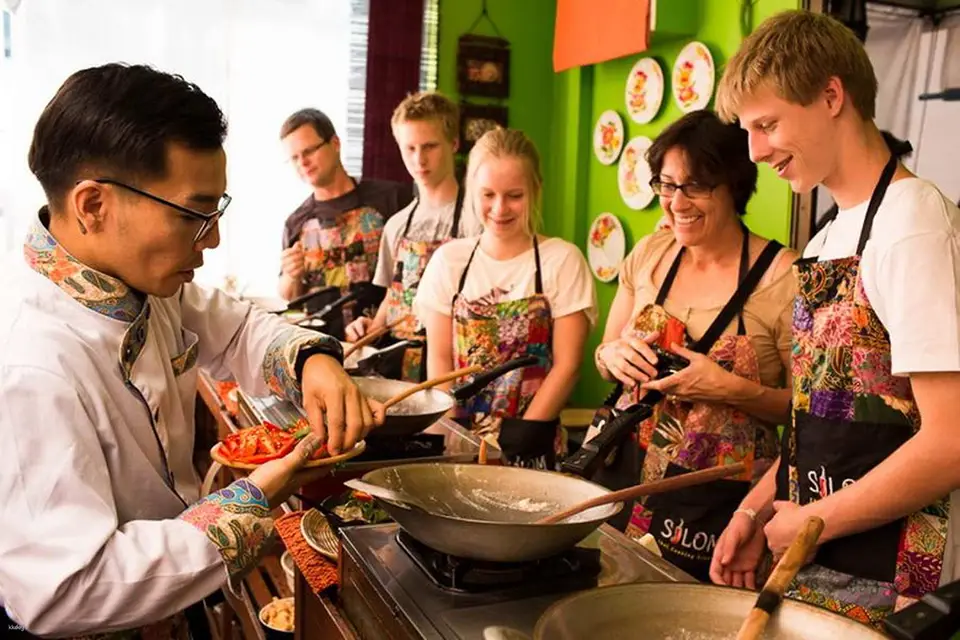
  • Cooking classes
  • Food tours

Book directly with beyourguides.com to enjoy carefully selected experiences, local expertise, secure payments, and responsive customer support.


👉 Book Chiang Mai tours with BeYourGuides.com


FAQs about What to Know Before Visiting Thailand

Q1. What to Know Before Visiting Thailand for the first time?
Prepare your visa documents, exchange some Thai Baht, learn basic etiquette, and book popular attractions in advance.

Q2. What to Know Before Visiting Thailand about money?
Cash is useful for local markets, while cards are accepted at many hotels and shopping malls.

Q3. What to Know Before Visiting Thailand regarding safety?
Thailand is generally safe. Keep valuables secure and use licensed transportation.

Q4. What to Know Before Visiting Thailand about the weather?
November to February offers the most comfortable weather for sightseeing.

Q5. What to Know Before Visiting Thailand before visiting temples?
Dress respectfully, cover shoulders and knees, and remove shoes before entering.

Q6. What to Know Before Visiting Thailand about transportation?
Bangkok has modern public transportation, while domestic flights connect major tourist destinations efficiently.

Q7. What to Know Before Visiting Thailand about internet access?
Tourist SIM cards with unlimited data are widely available at airports and convenience stores.

Q8. What to Know Before Visiting Thailand if traveling with family?
Thailand offers family-friendly attractions, excellent resorts, and convenient transportation.

Q9. What to Know Before Visiting Thailand about tipping?
Tipping is appreciated but not mandatory. Small tips for excellent service are common.

Q10. What to Know Before Visiting Thailand before booking tours?
Book early during peak season to secure your preferred dates and experiences.


Conclusion

Planning ahead makes every trip more enjoyable. What to Know Before Visiting Thailand includes understanding local customs, transportation, weather, money, and practical travel advice before you arrive. With good preparation, you’ll spend less time worrying and more time enjoying Thailand’s beautiful beaches, vibrant cities, incredible food, and unforgettable experiences.

Ready for Your Thailand Adventure?

Book your Thailand adventure with beyourguides.com today and turn your dream vacation into unforgettable memories with trusted local experiences across the country.

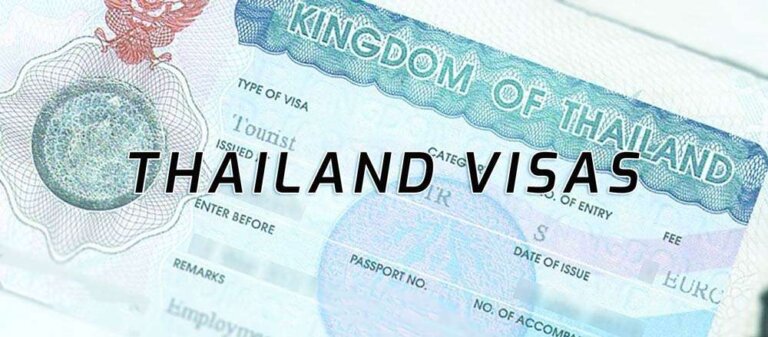
Thailand Visa Requirements by Nationality (2026)

A smooth journey to Thailand begins with understanding the right visa for your nationality.

BeYourGuide

Planning a trip to Thailand in 2026? Understanding the latest visa requirements is essential before booking your flights.

Thailand welcomes millions of visitors each year and offers visa-free entry, Visa on Arrival (VOA), e-Visa, and traditional tourist visas depending on your nationality. Since immigration policies can change, travelers should always verify the latest requirements with the Royal Thai Embassy or Thailand’s Ministry of Foreign Affairs before departure.

Quick Overview

Foreign visitors entering Thailand generally fall into one of the following categories:

  • Visa Exemption (No Visa Required)
  • Visa on Arrival (VOA)
  • Thailand e-Visa
  • Tourist Visa Required Before Travel

In addition, all foreign visitors must complete the Thailand Digital Arrival Card (TDAC) before arriving in Thailand. The TDAC is not a visa; it is a mandatory online arrival registration. Travelers can submit the form within three days before arrival.


Visa-Free Entry Countries

Citizens of many countries can enter Thailand without obtaining a visa in advance for tourism and short-term visits.

These countries traditionally include:

Europe

  • United Kingdom
  • Germany
  • France
  • Italy
  • Spain
  • Netherlands
  • Switzerland
  • Sweden
  • Norway
  • Denmark
  • Finland
  • Austria
  • Belgium
  • Ireland
  • Portugal
  • Poland
  • Czech Republic

North America

  • United States
  • Canada

Asia-Pacific

  • Japan
  • South Korea
  • Singapore
  • Malaysia
  • Hong Kong
  • Australia
  • New Zealand

Middle East

  • United Arab Emirates
  • Qatar

Important: Thailand announced visa policy revisions in 2026, including changes to visa-exempt stay durations and eligible countries. Travelers should confirm current eligibility before departure.

Visa on Arrival (VOA) Countries

Some nationalities can obtain a visa upon arrival at designated Thai immigration checkpoints.

As of early 2026, Visa on Arrival eligibility includes countries such as:

Asia

  • India
  • China
  • Bhutan
  • Kazakhstan
  • Kyrgyzstan
  • Taiwan
  • Uzbekistan

Europe

  • Armenia
  • Belarus
  • Bulgaria
  • Georgia
  • Malta
  • Romania
  • Russia
  • Serbia

Americas

  • Mexico
  • Bolivia
  • Costa Rica
  • El Salvador
  • Paraguay
  • Venezuela

Other Regions

  • Saudi Arabia
  • Cyprus
  • Ethiopia
  • Fiji
  • Papua New Guinea
  • Seychelles
  • Tunisia
  • Namibia
  • Vanuatu

Visa on Arrival travelers typically need:

  • A passport valid for at least six months
  • Proof of accommodation
  • Return or onward travel ticket
  • Sufficient funds for the trip
  • Visa fee (where applicable)

Thailand has announced further revisions to its Visa on Arrival program in 2026, so eligibility may change. Always verify requirements before traveling.

Nationalities Requiring a Tourist Visa

Travelers from countries not covered by visa exemption or Visa on Arrival programs must obtain a tourist visa before entering Thailand.

The easiest option is often the Thailand e-Visa system, available through many Thai embassies and consulates worldwide.

Required documents generally include:

  • Passport
  • Passport photo
  • Flight itinerary
  • Hotel reservation or accommodation details
  • Financial evidence
  • Visa application form

Processing times vary by country and embassy.

Thailand Digital Arrival Card (TDAC)

Since May 2025, all foreign visitors entering Thailand by air, land, or sea must complete the Thailand Digital Arrival Card (TDAC) before arrival. The system replaces the previous paper TM6 arrival form.

What You Need for TDAC

  • Passport details
  • Travel information
  • Accommodation information in Thailand
  • Contact details

The registration is free.

Travelers should be cautious of unofficial websites that charge fees for TDAC registration. Thailand’s Immigration Bureau has repeatedly warned visitors about fraudulent websites offering paid TDAC services.


FAQs about Thailand Visa Requirements by Nationality

Do I need a visa to visit Thailand in 2026?
It depends on your nationality. Many travelers can enter Thailand under the Visa Exemption Program, while others may qualify for Visa on Arrival (VOA) or need to obtain a tourist visa before traveling.


Which countries can enter Thailand without a visa?
Thailand offers visa-free entry to citizens of many countries, including the United States, United Kingdom, Canada, Australia, New Zealand, Japan, South Korea, Singapore, and most European Union countries. Entry conditions and permitted stay periods may change, so travelers should check official government sources before departure.


How long can I stay in Thailand without a visa?
The permitted stay depends on your nationality and the immigration regulations in effect at the time of entry. Travelers should verify the latest duration allowed under Thailand’s Visa Exemption Program before traveling.


What is Thailand’s Visa on Arrival (VOA)?
Visa on Arrival allows eligible travelers from selected countries to obtain a visa when arriving at designated airports and border checkpoints in Thailand, without applying in advance.


Which nationalities are eligible for Visa on Arrival in Thailand?
Countries commonly eligible for Visa on Arrival include India, China, Saudi Arabia, Kazakhstan, Taiwan, and several others. The eligible country list may change, so travelers should confirm their status before travel.


Can I apply for a Thailand visa online?
Yes. Many travelers can apply through Thailand’s e-Visa system, which allows applications to be submitted online before arrival.


What documents are required for a Thailand tourist visa?
Typical requirements include:

  • Passport valid for at least six months
  • Passport-sized photo
  • Proof of accommodation
  • Return or onward flight ticket
  • Financial evidence showing sufficient funds
  • Completed visa application form

Requirements may vary depending on nationality and the Thai embassy handling the application.


How much money do I need to enter Thailand?
Thai immigration officers may ask visitors to demonstrate sufficient funds for their stay. The required amount can vary depending on visa type and immigration regulations.


Is a return ticket required when entering Thailand?
In many cases, travelers may be asked to provide proof of onward or return travel. Immigration officers have the authority to request supporting travel documents upon arrival.


What is the Thailand Digital Arrival Card (TDAC)?
The Thailand Digital Arrival Card (TDAC) is an online arrival registration system that foreign visitors must complete before entering Thailand. It replaces the former paper TM6 arrival card.


Is the TDAC the same as a visa?
No. The TDAC is not a visa and does not replace visa requirements. Travelers must still meet all applicable visa or visa-exemption conditions.


When should I complete the TDAC?
Travelers should submit the TDAC within the period specified by Thai immigration authorities before arriving in Thailand.


Do children need a TDAC?
Yes. All foreign travelers, including minors, may be required to be included in the TDAC registration process.


Can I extend my stay in Thailand?
In many cases, visitors can apply for an extension at a local Thai Immigration Office. Approval is subject to immigration regulations and the type of visa or entry permission granted.


How many times can I enter Thailand in one year?
The number of entries allowed depends on your visa type, travel history, and immigration officer discretion. Frequent visa-exempt entries may attract additional scrutiny.


What happens if I overstay my visa in Thailand?
Overstaying can result in fines, immigration penalties, detention, deportation, or restrictions on future entry into Thailand. Travelers should always ensure they leave or extend their stay before their permitted period expires.


Can I work in Thailand with a tourist visa?
No. A tourist visa or visa-exempt entry does not permit employment in Thailand. Foreign nationals who wish to work must obtain the appropriate visa and work authorization.


Can digital nomads stay in Thailand on a tourist visa?
Tourist visas are intended for tourism purposes. Digital nomads planning long-term stays should research Thailand’s available long-stay and remote-work visa options.


What should I do if my visa application is rejected?
Contact the Thai embassy or consulate that processed your application to understand the reason for the rejection and determine whether reapplication is possible.


Where can I check the latest Thailand visa requirements?
The most reliable sources are:

  • Royal Thai Embassy websites
  • Thai Consulates in your country
  • Thailand’s Ministry of Foreign Affairs
  • Thailand Immigration Bureau

Because visa policies can change, travelers should always verify the latest information before booking flights or traveling.


Final Travel Advice

Thailand remains one of the world’s most welcoming travel destinations, but immigration requirements can change frequently. Before booking flights, confirm the latest visa information with official Thai government sources or your nearest Thai Embassy.

By preparing the correct documents in advance, you can enjoy a smooth arrival and spend more time exploring Thailand’s beautiful beaches, vibrant cities, rich culture, and unforgettable food.

Bespoke Thailand Travel Packages for Honeymooners: Destinations and Experiences

A Thailand honeymoon is one of the most consistently rewarding choices a couple can make. The country offers extraordinary range within a manageable distance — ancient cities, mountain villages, white sand beaches, world class spas, and quiet islands that still feel like a discovery. The question is rarely whether to honeymoon in Thailand. The question is how to shape the trip so it feels like a honeymoon rather than a holiday.

This guide is the editorial companion to the dozens of generic Thailand honeymoon listings already on the internet. The destinations worth knowing about, the experiences that genuinely make a Thailand honeymoon memorable, how to sequence the trip across more than one location, and what bespoke actually means when you book through a real planner. Practical, honest, and built for couples making decisions, not just browsing inspiration.

At BeYourGuides, we are a Bangkok based travel company licensed by the Tourism Authority of Thailand under TAT 11/13029. Honeymoons are one of the most personal trips we design, and the patterns below come from what consistently produces a trip couples come back and thank us for.

What Bespoke Thailand Travel Packages for Honeymooners Actually Means

The word bespoke gets used loosely in travel marketing. Worth being precise about what it should mean for a honeymoon.

A genuine bespoke package is built from a conversation, not a template. A planner asks about both partners, your past travel, what you most want, what you do not, and the small details that matter to one of you. The destinations, the hotels, the experiences, the sequence, the pacing, the special moments — all of it shapes around the specific couple.

Bespoke is different from customisable. A customisable package starts with a fixed itinerary you can adjust slightly. A bespoke package starts with a blank page. The difference matters most on a honeymoon, when the trip is meant to feel like nothing the couple has done before.

It is also different from luxury. Bespoke can be luxury and often is, but the two are not the same. A small budget honeymoon designed thoughtfully around a specific couple is still bespoke. An expensive package built from a template is not.

Thailand’s Best Honeymoon Destinations and What Each Offers

A Thailand honeymoon almost always works best across two or three destinations rather than one. Each location offers something different and the contrast is part of what makes the trip memorable. Here are the destinations worth knowing about.

Bangkok

Most Thailand honeymoons begin here. Two to three nights gives couples the cultural orientation that makes the rest of the trip richer. Skyline dining, river cruises, the Grand Palace, riverside spas, and one of Asia’s great food cities. Bangkok is the cultural anchor of a Thailand honeymoon, even if the beach is the eventual destination.

Chiang Mai

The northern capital. Old temples, mountain views, traditional crafts, cooking classes, and ethical elephant experiences. Particularly rewarding for couples who want depth before the beach. Three to four nights works well. The cooler weather between November and February is part of the appeal.

Chiang Rai and the Golden Triangle

A quieter alternative to Chiang Mai, with hill tribe villages, the Mekong River, and resorts that overlook the borders of Thailand, Laos, and Myanmar. Better for couples who want genuine off the beaten track rather than a polished cultural experience. Often added as a two night extension to Chiang Mai rather than a destination on its own.

Phuket

Thailand’s most famous island. Often unfairly maligned for its busier areas, but the western beaches and quieter northern stretches host some of the country’s most luxurious resorts. Phuket also serves as the launch point for catamaran charters to Phi Phi, Racha, and the Similan Islands. Four to six nights is typical for a beach focused stay.

Krabi and the Surrounding Islands

Limestone cliffs, hidden lagoons, the iconic beaches of Railay and Phra Nang. More dramatic landscape than Phuket and slightly less developed. Resorts arrive by private boat. For couples who want their beach honeymoon to feel cinematic, Krabi is often the better choice.

Koh Samui

In the Gulf of Thailand, with its own quieter rhythm. Beautiful beaches, excellent wellness retreats, and direct flight access. A good alternative for couples wanting something less famous than Phuket but still developed enough for serious resort comfort.

Koh Yao Noi and Koh Yao Yai

Quiet islands in Phang Nga Bay, between Phuket and Krabi. Less developed, slower paced, with several outstanding boutique resorts and almost no nightlife. Ideal for couples whose definition of honeymoon involves genuine quiet.

Koh Lanta

Long quiet beaches, slow pace, a Muslim fishing community heritage that gives the island a different feel from the busier Andaman destinations. Recommended for couples who want a working island rather than a resort destination.

Hua Hin

The royal beach resort just south of Bangkok. Easy access, calm beaches, world class golf, and several heritage hotels. A useful destination for couples with limited time who want a beach stay without a domestic flight.

Lesser Known Options

Pattaya for couples wanting a beach close to Bangkok with strong infrastructure. Phang Nga for landscape over beach. Kanchanaburi for couples who want a quiet riverside add on with cultural depth. A good planner will suggest these when they fit the couple, rather than defaulting to the famous names.

The Experiences That Make a Thailand Honeymoon Feel Like One

Destinations are the canvas. The experiences are what make a honeymoon feel like nothing else. Here are the experiences that consistently appear in the most memorable Thailand honeymoons.

A Private Sunset Cruise

Phang Nga Bay from a catamaran. Phi Phi from a longtail at dusk. The Chao Phraya as Bangkok lights up. Almost every great Thailand honeymoon has at least one private sunset moment, and the right operator can arrange this anywhere on the route.

A Heritage Spa Day

Thai massage in a five star hotel is pleasant. Thai massage at a heritage spa is an entirely different experience. Restored teak houses, therapists trained over years, house blended oils, slow ritual before and after the treatment. Worth a half day.

A Cooking Class for Two

Most cooking classes in Thailand are group sessions. A private cooking class for a couple, with the chef tailoring the menu around your palates, often includes a market trip beforehand and the resulting meal as your dinner. Memorable for years.

A Cultural Surprise

A monk blessing at a quiet temple, a private Khon performance, a Thai dressing experience before a temple visit, or a candlelit dinner at an off limits historic site. These are the experiences a real planner arranges through relationships, not booking platforms.

A Beach Picnic on a Private Island

A boat to a small island, lunch set up on a beach with no one else around, a few hours of swimming, then back to the resort. Possible from Krabi, Phuket, and Koh Yao, and one of the moments couples remember most clearly.

A Slow Day Together

The most under appreciated honeymoon experience is the day with nothing planned. A planner can build this in deliberately — late breakfast, an empty afternoon, an early dinner, full reset. Trying to fit everything in is one of the biggest mistakes a honeymoon itinerary can make.

A Train Journey or River Cruise

Slow travel suits a honeymoon. The overnight train to Chiang Mai, a multi day Mekong cruise, or a private river journey turns the transit between destinations into an experience in itself.

A Hot Air Balloon Over Chiang Mai

Less famous than Chiang Mai’s lanterns but equally striking. A dawn balloon over the rice fields, breakfast on landing, then back to the resort for the rest of the day. Excellent for couples who want a single dramatic moment in the trip.

A Photographic Day

Some couples want a professional photographer for part of the honeymoon rather than just selfies. A planner can arrange a half or full day session at a location that suits the couple, with the images delivered before departure or after returning home.

Sample Bespoke Honeymoon Itineraries

Multi destination planning is hard to do well without examples. Here are three sample shapes that work consistently. Use any of them as a starting point and let the planner adjust the destinations, sequence, and timing around your specific interests.

The Classic Thailand Honeymoon — Ten Nights

Two nights Bangkok for the cultural opening — temples, river dinner, spa day. Three nights Chiang Mai for the slower pace and the mountain quiet — cooking class, ethical elephant experience, traditional dinner. Five nights Phuket or Krabi for the beach close — private catamaran day, beach picnic, sunset cruise. The shape works for most couples on a first Thailand trip.

The Slow Honeymoon — Twelve to Fourteen Nights

Three nights Bangkok with one quiet day built in. Two nights Chiang Rai for the off the beaten track contrast. Seven nights Koh Yao Noi or Koh Yao Yai for the deliberate beach quiet. Excellent for couples who want privacy and slowness above everything else.

The Active Honeymoon — Ten to Twelve Nights

Two nights Bangkok with a private guide for a full sightseeing day. Three nights Chiang Mai with elephant trekking, a Doi Inthanon hike, and a cooking class. Five to seven nights split between Phuket and a smaller island, with a catamaran day, kayaking in Phang Nga, and snorkelling at Phi Phi. Suits couples who want experiences as much as relaxation.

The Romantic Cultural Honeymoon — Nine to Eleven Nights

Three nights Bangkok for the cultural depth. Three nights Chiang Mai with monk blessing and craft workshops. Three to four nights Krabi or Koh Lanta for the dramatic beach close. Designed for couples drawn to history, culture, and landscape more than resort comfort.

The Short Honeymoon — Seven Nights

Two nights Bangkok. Five nights Phuket, Krabi, or Koh Samui. Best for couples with limited annual leave. Skip Chiang Mai on this length — the journey time is not worth it. Better to do one destination well than three superficially.

How to Plan a Bespoke Thailand Honeymoon Travel

Start with the Two of You

Before reading any list of destinations, talk to each other. What does the trip feel like when you imagine it? What is the one thing each of you wants? What do you specifically not want? A planner can do extraordinary work with the answers, but the answers have to come from the couple.

Decide How Long the Trip Will Be

Seven nights for a short honeymoon. Nine to twelve nights for the most common length. Fourteen to twenty one nights for couples taking proper time. The trip’s length determines how many destinations and how much pace is realistic.

Choose Two or Three Destinations, Not Five

A common mistake is trying to see too much of Thailand on a honeymoon. The country rewards depth more than breadth. Two destinations done well usually beat four done quickly.

Pick the Right Time of Year

November to February is the cool dry season — ideal for almost the whole country but busy. March to May is hot and dry, with quieter resorts and better availability. June to October is the green season, with brief afternoon rain and significantly fewer tourists. Each has its case for honeymoon travel.

Brief the Planner Honestly

Tell the planner your interests, your concerns, your past travel, your dietary requirements, and the small details that matter. A planner with full information designs better than a planner working from generic preferences.

Reserve Real Time for the Honeymoon Itself

Build slow days in. Build empty afternoons in. The most successful honeymoon itineraries are the ones with breathing room. Trying to maximise every hour usually maximises nothing.

Confirm What Is Included in Writing

Bespoke Thailand travel packages for Honeymooners can include transfers, internal flights, hotels, breakfasts, selected meals, private guides on specific days, experiences, and bespoke touches like room decorations or anniversary gifts. Confirm each item in writing before paying.

How to Choose a Planner for Your Bespoke Thailand Honeymoon

Test the First Conversation

A good planner asks questions for ten minutes before suggesting anything. A weaker one sends a template within an hour. The quality of the first conversation is the strongest signal of what the trip itself will feel like.

Check for a TAT Licence

The Tourism Authority of Thailand licence is the baseline credential for legitimate Thai travel operators. Always check. BeYourGuides operates under TAT 11/13029.

Look for Real Relationships, Not Just Connections

The value of a bespoke planner is in their local network — the spa they have a direct line to, the boat captain they trust, the restaurant chef they have worked with for years. Ask. Specific answers matter.

Check Recent Honeymoon Reviews Specifically

Honeymoon trips are different from regular holidays, and good planners produce specific honeymoon reviews from real couples. Read these before booking.

Be Wary of Pure Sales Energy

A real planner talks couples out of overstuffed itineraries as often as into bigger ones. If every conversation pushes you toward the most expensive option, you have a sales rep rather than a planner.

Confirm On the Trip Support

A good planner stays reachable throughout the trip. Twenty four hour contact, problem solving on the day, and flexibility to adjust the rest of the trip if something needs to change.

Combining the Honeymoon with Specific Experiences

Starting in Bangkok

Most Thailand honeymoons begin with two or three nights in Bangkok. A private tour guide Bangkok with car handles the cultural opening — temples, river cruise, hidden Bangkok, food — so the couple arrives at the beach properly oriented to the country.

A Catamaran Day in Phuket

Most beach focused honeymoons in Phuket build a private catamaran day in. A luxury catamaran charter in Phuket with lunch turns a single day into the kind of memory the rest of the trip is measured against — particularly for couples celebrating a milestone.

Day Trips Around Bangkok

Couples spending three or more nights in Bangkok often add a day trip to the floating markets. A Bangkok to Damnoen Saduak private tour with a private guide is one of the easiest ways to add cultural depth without disrupting the romantic pace of the trip.

Frequently Asked Questions

  1. When should we start planning our Thailand honeymoon?

    Three to four months ahead is comfortable. Six to nine months for high season trips between December and February, or if specific resorts are essential.

  2. What is the typical group size for Thailand honeymoon experiences?

    Bespoke experiences are private to the couple. No other travellers join unless you specifically request a small shared experience.

  3. What documents do we need for a Thailand honeymoon?

    Valid passports with at least six months remaining, and a tourist visa if your nationality requires one. Confirm visa requirements with your planner before booking flights.

  4. Is it safe to travel in Thailand as a couple?

    Yes. Thailand is one of Southeast Asia’s safer destinations for travellers, including couples. Standard precautions apply, but most honeymoons pass entirely without incident.

  5. Can our planner arrange a honeymoon surprise for us?

    Yes. Room decorations, in flight upgrades, dining surprises, anniversary photography, and other touches are standard requests.

  6. Are honeymoon resorts in Thailand adults only?

    Some are; many are not. Tell the planner if a quiet adults only atmosphere matters and they will choose resorts that suit.

  7. What is the language situation in Thailand for travellers?

    English is widely spoken in tourist areas, hotels, and at most experiences. A planner ensures English speaking guides at every step.

  8. Can a Thailand honeymoon combine with a second destination?

    Yes. Bali, the Maldives, Cambodia, and Vietnam are all common pairings. A good planner can sequence the wider trip including the international transfers.

  9. What should we pack for a Thailand honeymoon?

    Light cotton clothing, swimwear, modest cover ups for temples, comfortable walking shoes, and one nicer outfit each for evening dining. Pack lighter than you think.

  10. How do we start planning a bespoke Thailand honeymoon?

    Reach out to BeYourGuides with the broad shape of the trip — possible dates, the two of you, what matters to you. The first planning conversation begins from there. Our team is reachable twenty four hours a day.

5 Must-Visit Places in Thailand: The Ultimate Guide (2026)

5 must visit places in Thailand

Five places. One country. A lifetime of memories.

BeYourGuide

Thailand is famous for its top-ranked tourist destinations that travelers dream of visiting at least once in their lifetime. If you’re planning a trip to Thailand, you’ll find a wide variety of attractions, from natural landscapes and tourist spots to diverse cultural aspects, to make it an ideal destination. From now on, we will introduce 5 Must-Visit Places in Thailand: The Ultimate Guide (2026) that you shouldn’t miss if you visit Thailand, and you will return feeling so satisfied that you will want to come back again. Let’s update you on these 5 Must-Visit Places in Thailand: The Ultimate Guide (2026) latest edition.

1.       Bangkok

Krungthepmahanakorn or “Bangkok” as it’s popularly known among foreigners, is consistently ranked among the world’s most attractive cities. Its unique atmosphere and culture continue to make it a top travel destination. Bangkok offers a wide variety of interesting tourist attractions, convenient transportation, and diverse cuisine. Many Michelin-starred restaurants are located in Bangkok. Today, we’ll introduce some top-rated tourist attractions that you shouldn’t miss when visiting Bangkok: Wat Phra Sri Rattana Satsadaram, also known as Wat Phra Kaew (Temple of the Emerald Buddha), the City Pillar, Wat Arun Ratchawararam Ratchaworamahaviharn, famous shopping destinations such as CentralWorld, and newly opened shopping malls that are considered modern commercial hubs and new landmarks in Asia, such as ICONSIAM. But if you want to shop for souvenirs and handmade crafts, Chatuchak Weekend Market is still popular, or you can shop at Jodfair Market, a newly established market that has quickly become a top shopping destination for tourists. Or if you want to enjoy a dinner cruise on the Chao Phraya River, there are various services available for tourists. Or if you are a sports fan who loves Muay Thai, you shouldn’t miss a match at Rajadamnern Boxing Stadium. And there are many more attractions for you to choose from, so you will fall in love with the capital city of Thailand, because this is Bangkok.

5 must visit places in Thailand

2.       Chiang Mai

Chiang Mai, often considered the second-largest tourist destination after Bangkok, is definitely one of the top choices. With its stunning natural beauty, including mountains and waterfalls, and numerous other attractions, Chiang Mai continuously develops new and interesting tourist spots to attract visitors from around the world. This undoubtedly makes Chiang Mai one of the 5 Must-Visit Places in Thailand: The Ultimate Guide (2026). Visiting Chiang Mai today doesn’t require waiting for winter; you can visit in any season. The highlight is usually winter, when tourists come to experience the cold mountain air, such as Doi Inthanon, the highest point in Thailand, experienced sub-zero temperatures this year, creating a stunning sea of ​​fog. Visitors can experience this uniquely cold climate, a rare treat without having to travel abroad. However, during the summer, you can also visit Mae Kampong Waterfall, a new and increasingly popular landmark. For adventure seekers, Chiang Mai now offers ziplines for the whole family. This demonstrates Chiang Mai’s adaptability and development of its tourist attractions to cater to solo travelers, families, and groups alike.

5 must visit places in Thailand

3.       Pattaya

Pattaya, a world-renowned seaside tourist city, is famous and well-known to tourists worldwide. Many international tourists choose Pattaya as one of the 5 Must-Visit Places in Thailand: The Ultimate Guide (2026). Pattaya is not just a city for tourists to visit for its beaches; it’s also a city of bright lights and a world of vibrant nightlife, famous to many. Pattaya Walking Street is a place that attracts tourists to relax and enjoy themselves with a variety of entertainment. Pattaya also has cultural attractions such as The Sanctuary of Truth, a famous tourist spot popular for taking memorable photos.


4.       Phuket

5 Must-Visit Places in Thailand: The Ultimate Guide (2026) Phuket, the “Pearl of the Andaman,” is a phrase often used by tourists visiting this historical city, a beautiful and charming island with stunning natural beauty, crystal-clear waters, and world-class white sand beaches such as Patong Beach, Kata Beach, and Karon Beach. But if you visit Phuket and don’t go to Promthep Cape, it’s like you haven’t really been to Phuket, because Promthep Cape is the most beautiful spot to watch the sunset that tourists absolutely cannot miss. Afterwards, enjoy the evening atmosphere and dinner at Rawai Beach, known for its fresh, clean, and reasonably priced seafood. Another charm of Phuket is that it’s a tourist city where you can enjoy yourself both during the day and at night. You can choose to watch various shows at different locations, or enjoy the panoramic view of Phuket city from a high vantage point at night from Khao Rang, which offers a peaceful and beautiful atmosphere in a different way.

5 must visit places in Thailand

5.       Krabi

The charm of Thailand’s beaches isn’t limited to Pattaya or Phuket. Another popular destination for tourists visiting Thailand is Krabi province, making it one of the top 5 Must-Visit Places in Thailand: The Ultimate Guide (2026). Krabi, a southern Thai tourist destination, is known for its beautiful beaches, such as Maya Bay, a beautiful bay with crystal-clear waters, is a famous tourist destination in Thailand. It was once the filming location for the world-renowned movie “The Beach,” starring Leonardo DiCaprio, further increasing its appeal to tourists worldwide. However, Krabi also boasts another equally famous tourist attraction: Phi Phi Islands, a stunning island that will leave a lasting impression. And Krabi also features the unique “Talay Waek” (separated sea), a natural wonder rarely seen elsewhere.

Thailand has so many amazing places to visit. Whether you prefer the North, Central, Northeast, or South, you can travel in a way that suits you. On your next trip to Thailand, don’t forget 5 Must-Visit Places in Thailand: The Ultimate Guide (2026), and Thailand will always be a destination that brings smiles and happiness.

5 must visit places in Thailand

FAQs about

Q1: Is Thailand safe for first-time travelers?
Yes. Thailand is one of Asia’s safest and most welcoming countries.

Q2: How many days do I need?
10–14 days is ideal to cover all five destinations.

Q3: Do I need to book tours in advance?
Yes, especially in peak season (Dec–Feb).

Q4: Is English widely spoken?
Yes, in tourist areas and on guided tours.

Q5: Which place is best for families?
Bangkok, Chiang Mai, and Phuket are very family-friendly.


Book your Thailand adventure now and turn your trip into a story you’ll never forget.

Solo Travel Safety in Thailand: A Comprehensive Guide for First-Time Travelers

Travel with freedom — and the confidence to enjoy Thailand your way.

BeYourGuide

Thailand has long been one of the world’s most welcoming destinations for solo travelers. Known for its warm hospitality, reliable tourism infrastructure, and diverse attractions, the country is well-suited for individuals exploring on their own. Still, understanding solo travel safety in Thailand is essential to ensure a smooth, enjoyable, and stress-free experience.

This professional guide consolidates the most important safety considerations—including cultural etiquette, transportation guidelines, destination-specific risks, and recommended experiences—supported with curated tour options from BeYourGuides.com to enhance your journey.

Is Thailand Safe for Solo Travelers?

In general, yes—Thailand is considered a safe destination for solo travelers, including women traveling alone. Violent crime against tourists is rare, tourism services are efficient, and most locals are accustomed to assisting visitors. However, as with any international destination, situational awareness and informed decision-making play a crucial role.

Key advantages for solo visitors include:

  • Established tourist police in major destinations
  • Wide availability of safe transport (airport rail, metered taxis, reputable apps)
  • Strong accommodation standards—from hostels to resorts
  • High English-language accessibility in major tourist areas

1. Cultural Considerations and Etiquette for Safe and Respectful Travel

Understanding Thai culture supports not only safety but also positive interactions.

♦ Cultural Mistakes to Avoid

Avoiding certain behaviors will help you travel safely while maintaining cultural respect:

1. Refrain from touching someone’s head
In Thai culture, the head is considered the most sacred part of the body. Even affectionate gestures like patting a child’s head may be inappropriate.

2. Keep calm and avoid raising your voice
Thais highly value calmness, courtesy, and emotional restraint. Displaying anger can escalate situations unnecessarily and lead to misunderstandings.

3. Remove shoes before entering homes and many indoor spaces
This includes temples, traditional houses, some massage shops, and certain cafés. When in doubt, look for shoe racks.

4. Never point your feet at people or Buddha images
Feet are considered the lowest and “least clean” part of the body. Avoid stretching your legs toward monks, elders, or religious statues.

5. Dress modestly when visiting temples
Shoulders and knees should be covered. Some temples provide rental cloths, but it is advisable to be prepared.

👉 Enhance your understanding of Thai culture with curated local tours from BeYourGuides.com:


2. Transportation Safety in Thailand

Transport is widely available, but safety varies by destination and mode. Below are key guidelines and recommended practices.

♦ General Transport Safety Tips

  • Use licensed taxis or ride-hailing apps (Grab, Bolt).
  • Avoid negotiating fares unless using transport that does not operate on meters (e.g., tuk-tuks).
  • When riding scooters or motorcycles, always wear a helmet.
  • For ferries or boats, check for life jackets and avoid overcrowded vessels.
  • For night travel, choose reputable operators with good reviews.

3. Transport Safety by Destination

♦ Bangkok

Safe Options: BTS Skytrain, MRT Subway, Airport Rail Link, metered taxis, Grab/Bolt.
Points of Caution:

  • Avoid unmetered taxis near tourist hotspots.
  • Be aware of heavy traffic during rush hours.
  • Tuk-tuks are fun but should be used for short distances only.

👉 Recommended Bangkok Tours:

🔗 Related article: Smart Budget Travel Bangkok: 10 Brilliant Ways to Save Money & Still Have Fun


♦ Chiang Mai

Safe Options: Grab/Bolt, red trucks (songthaews), motorcycle rentals (trusted shops only).
Points of Caution:

  • Mountain roads (e.g., to Doi Suthep) can be steep—use experienced drivers.
  • Avoid riding scooters without experience; accidents are common.

👉 Recommended Chiang Mai Tours:


♦ Phuket

Safe Options: Metered taxis in Patong, Grab (limited outside town), hotel shuttle services.
Points of Caution:

  • Unregulated tuk-tuks or taxis may charge premium rates—confirm prices.
  • Road accidents are more common here than in northern Thailand.

👉 Recommended Phuket Tours:


♦ Koh Samui

Safe Options: Shuttle vans, hotel transfers, reputable private drivers.
Points of Caution:

  • Songthaew prices vary; negotiate before boarding.
  • Avoid renting scooters during rainy periods due to slippery roads.

👉 Related articles


♦ Pattaya

Safe Options: Songthaews (fixed routes), Grab/Bolt, hotel transfers, reputable taxi services.
Points of Caution:

  • Nightlife areas can be crowded—keep belongings secure.
  • Be cautious when crossing roads, especially near Walking Street and Beach Road.

👉 Recommended Pattaya Tours:


4. Safety Tips for Solo Travelers

♦ Accommodation

Choose well-reviewed properties with secure entrances, 24-hour reception, and clear emergency procedures.

♦ Nightlife & Social Situations

  • Do not leave drinks unattended.
  • Decline offers from strangers who insist on taking you to “special bars.”
  • Stick to reputable venues with visible staff and security.

♦ Belongings & Personal Items

  • Use a cross-body bag with zippers.
  • Keep passports in the hotel safe when possible.
  • Avoid carrying large sums of cash.

♦ Health & Environment

  • Stay hydrated—Thailand’s heat can be intense.
  • Use mosquito repellent, especially in northern areas.
  • Purchase travel insurance that covers medical and scooter-related incidents.

5. Suggested Tours for Safe, Guided Exploration

Choosing curated tours helps solo travelers navigate confidently and enjoy cultural depth.

👉 From BeYourGuides.com, consider:

These options provide structured, safe, and informative travel while allowing you to explore independently.


Final Thoughts: Is Solo Travel in Thailand Safe?

With preparation, awareness, and respect for local customs, solo travel safety in Thailand is exceptionally manageable. The country offers a supportive environment for independent travelers—blending culture, nature, food, and hospitality into an unforgettable journey.

For travelers seeking secure, trusted, and culturally rich experiences, BeYourGuides.com offers curated tours designed specifically for travelers who want both adventure and peace of mind.


FAQs about Solo Travel Safety in Thailand

Q1: Is Thailand safe for solo female travelers?
Yes. Thailand is one of Asia’s most popular destinations for solo female travelers. Stick to well-lit areas, avoid isolated streets late at night, and use Grab for transport.

Q2: Are night markets safe?
Yes. Night markets are lively and friendly. Watch your bag and avoid flashing valuables.

Q3: Is public transport safe?
Yes. BTS, MRT, and airport trains are modern and reliable. Buses and boats vary — choose reputable operators.

Q4: What are common scams I should avoid?
The “temple closed” scam, overpriced tuk-tuks, and gem shops. Stay polite, say “no thank you,” and walk away.

Q5: Which places are safest for first-time travelers?
Chiang Mai, Bangkok city center, Phuket Old Town, Ayutthaya, and Hua Hin.

Q6: Should I get travel insurance?
Yes — always. Choose a plan covering medical care, theft, and trip delays.

Q7: Is it safe to drink tap water?
No. Drink bottled or filtered water.


Traveling alone is empowering, and solo travel safety in Thailand is high when using common sense and basic precautions. With friendly locals, great infrastructure, and safe transport, Thailand is an excellent choice for confident solo adventures.

Book your Thailand adventure with BeYourGuides.com and travel with confidence, comfort, and local expertise.

Irresistible Thai Snacks Every Traveler Must Try

Every bite of a Thai snack tells the story of Thailand’s culture and flavor.

BeYourGuide

If you visit Thailand, tasting Thai snacks is just as important as exploring temples or beaches. From crispy, salty bites on Bangkok’s bustling streets to delicate sweet treats in Chiang Mai, these snacks capture the heart of Thai culture and hospitality.

1. Mango Sticky Rice

No list of Thai snacks is complete without mango sticky rice (khao niew mamuang). This dessert is loved by both locals and tourists. Sticky rice is steamed and mixed with coconut milk, then served with slices of ripe yellow mango. A small drizzle of sweet coconut sauce completes the dish.

  • Price: THB 50–100 (USD 1.50–3.00), depending on portion size.
  • Best season: March to June (mango season).
  • Where to try: Local market, supermarket
  • Why travelers love it: Mango sticky rice combines tropical fruit with creamy coconut flavor — something exotic yet comforting. For many visitors, it’s a perfect introduction to Thai desserts because it’s not overly sweet, and the mango adds a fresh balance. It also feels “Instagrammable,” making it a must-try for travelers who want both taste and a photo memory.

👉 Join a Bangkok Cooking Class to learn how to make it yourself.


2. Thai Roti (Sweet Pancake)

Originally influenced by Indian roti, Thailand has turned this snack into something unique. Vendors fry dough until golden, then fill it with bananas, chocolate, condensed milk, or even Nutella. It’s crispy on the outside, soft inside, and often served hot at night markets.

  • Price: THB 20–40 (USD 0.50–1.00).
  • Where to try: Khao San Road (Bangkok), Chiang Mai Night Bazaar, or Phuket’s weekend markets.
  • Why travelers love it: It reminds many Western travelers of crepes, but with a Thai twist. The crispy edges and gooey banana-chocolate filling feel familiar yet excitingly different. Tourists enjoy watching vendors skillfully flip the dough on hot plates — part food, part street performance.

3. Moo Ping – Grilled Pork Skewers

A true breakfast-on-the-go, moo ping (grilled pork skewers) are marinated with soy sauce, garlic, and coconut milk, then grilled over charcoal. They’re usually served with sticky rice wrapped in a banana leaf. Locals often eat them in the morning with iced coffee.

  • Price: THB 10–15 (USD 0.30–0.40) per skewer.
  • Best time: Early morning
  • Where to try: street stalls or Tor Kor Market (Bangkok), Chiang Rai night markets.
  • Why travelers love it: It’s savory comfort food that feels familiar to Western barbecue lovers, but with unique Thai marinades. Moo ping is cheap, filling, and easy to eat on the go — perfect for tourists exploring busy markets or heading to a temple.

4. Khanom Buang – Thai Crispy Pancakes

This is one of the most traditional Thai street snacks. Khanom buang looks like mini tacos but is made of thin, crispy crepes. The filling is a mix of sweet coconut cream, shredded coconut, or golden egg yolk threads (foi thong). Some versions are savory, filled with chopped shrimp or pepper.

  • Price: THB 30–60 (USD 1.00–2.00) per pack.
  • Where to try: Food court in a shopping mall, Damnoen Saduak Floating Market, Bangkok Chinatown.
  • Why travelers love it: These colorful, taco-shaped snacks catch the eye of foreign visitors. The sweet coconut cream feels light, while the savory versions offer a surprise flavor contrast. Tourists appreciate the artistry in each delicate piece, making it as fun to watch being made as it is to eat.

5. Sai Oua – Northern Thai Sausage

Sai oua is a specialty from Northern Thailand, especially Chiang Mai. This grilled sausage is packed with herbs like lemongrass, kaffir lime leaves, and chili. It’s smoky, spicy, and aromatic. Often served with sticky rice and fresh vegetables.

  • Price: THB 50–100 (USD 1.50–3.00) per portion.
  • Where to try: Chiang Mai Night Bazaar, Warorot Market.
  • Why travelers love it: Many travelers from Europe and the US enjoy sausages back home, so sai oua feels familiar but with a Thai twist of lemongrass, chili, and herbs. It’s bold, spicy, and pairs perfectly with sticky rice, giving visitors a real taste of Northern Thailand’s culture.

👉 Taste it on a Chiang Mai Food Tour.


6. Fried Insects – For Adventurous Travelers

Eating fried insects in Thailand is more than just food; it’s a travel story. Crickets, silkworms, grasshoppers, and even scorpions are deep-fried and seasoned with salt and pepper. High in protein, these snacks are popular among curious travelers.

  • Price: THB 20–50 (USD 0.50–1.50).
  • Where to try: Khao San Road (Bangkok), Chiang Mai Gate Night Market.
  • Why travelers love it: It’s the ultimate “bucket list” food experience. Many tourists try it for the thrill and the story to tell friends back home. Adventurous eaters also appreciate that insects are eco-friendly and protein-rich. For some, it becomes the most memorable snack of their trip.

7. Luk Chup – Royal Thai Mung Bean Sweets

Luk chup is a delicate dessert from ancient royal cuisine. Made from mung beans, sugar, and coconut milk, it’s shaped into miniature fruits and glazed to look shiny and colorful. They are not just sweet but also beautiful to photograph.

  • Price: THB 50–100 (USD 1.50–3.00) per box.
  • Where to try: Traditional sweet shops in Bangkok and Chiang Mai.
  • Why travelers love it: These tiny fruit-shaped sweets look like edible art. Tourists love photographing them before eating. The idea that luk chup originated in Thai royal courts fascinates many foreign visitors, who feel like they’re tasting a piece of history.

8. Kluay Tod – Fried Bananas

One of the simplest yet most beloved Thai snacks. Bananas are coated in rice flour batter and deep-fried until golden. The result: crispy outside, soft and sweet inside. Perfect as a quick bite during a day trip.

  • Price: THB 20–40 (USD 0.50–1.00).
  • Where to try: Roadside stalls across Thailand, Ayutthaya markets.
  • Why travelers love it: Simple, crispy, and naturally sweet — fried bananas remind many Western travelers of comfort foods like doughnuts or fritters. They’re inexpensive, delicious hot, and easy to snack on while walking through markets.

9. Kanom Krok – Coconut Rice Pancakes

These little round pancakes are made from rice flour and coconut milk, cooked in a special hot plate with small holes. Crispy outside, soft and creamy inside. Vendors often sprinkle them with spring onions or corn.

  • Price: THB 20–30 (USD 0.50–0.80) for 4–6 pieces.
  • Where to try: Chiang Mai Gate Market, Chatuchak Market (Bangkok).
  • Why travelers love it: Tourists enjoy the texture contrast — crispy outside, soft and creamy inside. Many say it tastes like a “mini coconut custard.” Watching vendors pour the batter into hot pans adds to the experience. It’s also vegetarian-friendly, which makes it popular among international visitors.

10. Durian Chips – A Friendly Way to Try Durian

Known as the “King of Fruits,” durian has a strong smell that not everyone enjoys. But durian chips — thinly sliced, deep-fried, and lightly salted — are a crunchy alternative that tourists love to bring home.

  • Price: THB 100–150 (USD 3.00–4.50) per pack.
  • Where to buy: Supermarkets and souvenir shops nationwide.
  • Why travelers love it: Many foreigners are curious about durian but afraid of its strong smell. Durian chips are a milder, crunchy alternative that lets them enjoy the “king of fruits” without the intensity. Plus, packaged chips make excellent souvenirs to take home.

Discover it on a Bangkok Street Food Tour.

👉 Bangkok: Hidden Gems Guided Food Tour by Tuk Tuk

🔗Related article:


FAQs about Thai Snacks

Q1: What are the most famous Thai snacks for tourists?
Mango sticky rice, moo ping, and Thai roti are among the most popular choices.

Q2: Where can I find the best street food in Bangkok?
Yaowarat (Chinatown), Khao San Road, and Chatuchak Market are top spots for street food in Bangkok.

Q3: Are Thai snacks vegetarian-friendly?
Yes, many snacks like kanom krok, mango sticky rice, and luk chup are vegetarian.

Q4: How much do Thai snacks usually cost?
Most street snacks range between THB 10–50 (USD 0.30–1.50).

Q5: Can I take Thai snacks home as souvenirs?
Yes, packaged snacks like durian chips and dried mango are perfect to bring back.


Tasting Thai snacks is one of the best ways to experience the culture, history, and warmth of Thailand. Whether you’re exploring Bangkok’s night markets or Chiang Mai’s food stalls, every bite offers a memory worth keeping.

👉 Book your next Thailand Food Tour with BeYourGuide today and taste Thailand like a local!

Hidden Thailand: 7 Extraordinary Gems Most Travelers Never Discover

What you don’t see in guidebooks is often the heart of hidden Thailand.

BeYourGuide

Hidden Thailand is not about temples and beaches you already know. It’s about those rare corners where time slows, locals smile, and stories linger in nature and culture. If you seek more than postcards, you’ll love exploring the Thailand few truly see. In this article, we reveal 7 hidden gems—from emerald caves to remote waterfalls—that most travelers never discover.

Many travelers stop at Phuket’s beaches or Chiang Mai’s temples—but hidden Thailand begins where the guidebooks end. If you’ve already explored Phuket tours and activities, here are 7 lesser-known gems waiting for your next journey.

1. Emerald Cave, Koh Muk (Trang Province)

One of the most magical secrets in southern Thailand is Emerald Cave (Tham Morakot) on Ko Muk.

  • The cave tunnel is about 80 m long and can be entered by swimming or kayaking.
  • At mid-tide (10:00 am–2:00 pm), sunlight turns the water a vivid emerald green, illuminating a hidden lagoon inside the cave.
  • Outside, a pristine lagoon and beach await.
  • Best visited via a guided kayak or small-group boat tour from nearby Trang islands.

📄Wikipedia
📍Emerald Cave – Koh Muk


2. Khao Sok Floating Bungalows & Cave Trails, Surat Thani

Khao Sok Lake lies deep in the rainforest and remains one of Thailand’s most peaceful escapes.

  • The lake covers about 165 km² (64 sq mi) of water, surrounded by towering limestone karsts.
  • Visitors often stay overnight in floating bungalows, waking up to jungle sounds and mist.
  • Nearby you can explore Nam Ta Lu water caves (wading through streams) or hike to Kri Sorn Viewpoint for panoramic views.
  • Because it is somewhat remote, many travelers skip it in favor of Phuket or Krabi—but it’s a gem for nature lovers.

📄Wikipedia
📍Khao Sok Floating Bungalows & Cave Trails


3. Nakhon Si Thammarat’s Waterfall Trails & Shadow Puppets

Least known compared to coastal provinces, Nakhon Si Thammarat offers deep cultural and natural treasures.

  • This region is rich in waterfalls such as Krungching, Karom, Yong, Phrom Lok, Ai Khiao. Many have hiking trails and natural pool areas.
  • A unique cultural site is Suchart Subsin’s House of Shadow Puppetry, a family-run museum preserving traditional shadow puppet (Nang Talung) making. Visitors can see how puppets are made—for free.
  • The province also is historically important as the capital of the former Tambralinga kingdom (11th–13th century).

This destination suits travelers wanting both nature and authentic culture far from crowds.

📍Nakhon Si Thammarat Waterfalls

💡Pair your offbeat adventures with a few days of ocean bliss—see our curated Phuket experiences and day tours for snorkeling, cultural shows, and eco-friendly island escapes.


4. Phu Khao Ya / Khao Hua Lan (Ranong)

Close to Ranong city (12 km south), Phu Khao Ya (also called Khao Hua Lan) is a grassy hill ridge that changes with the seasons.

  • During the rainy season (May–October), the hills are lush green and often shrouded in mist.
  • In the dry season (November–April), grass turns golden brown—a different but equally striking look.
  • Because it’s less developed and away from mainstream itineraries, many visitors never come.

This is ideal for day-walkers or short hikes in the Ranong region.

📄Wikipedia
📍Phu Khao Ya


5. Sam Phan Bok (Ubon Ratchathani)

In northeast Thailand (Isan), Sam Phan Bok is known as the “Grand Canyon of Thailand.”

  • During the dry season, the Mekong River’s low flow reveals thousands of eroded sandstone basins, potholes, and strange rock formations. “Sam Pan Bok” literally means “3,000 shallow lakes.”
  • The best time to visit is in February–April, when water is low and features are exposed.
  • It’s located in Pho Sai District, Ubon Ratchathani Province, about 700 km from Bangkok.

This is a spectacular landscape contrast to Thailand’s usual tropical imagery. Good for photography tours, river & rock tours in Isan.

📄Wikipedia
📍Sam Phan Bok


6. Tham Pha Nang Khoi (Phrae)

In northern Thailand, Tham Pha Nang Khoi is a karst cave in Rong Kwang District, Phrae Province.

  • The cave system is about 1.6 km long, filled with stalactites and stalagmites.
  • The main entrance chamber is ~150 m across, perched on a cliff.
  • There is folklore behind the name: visitors say some stalagmite formations resemble a woman holding a child.

This cave is not widely known among foreign tourists and is ideal for offbeat cave tours in northern Thailand.

📄Wikipedia
🌐Tourism Authority of Thailand
📍Tham Pha Nang Khoi


7. Hat Chom Dao / Kaeng Chom Dao (Ubon Ratchathani)

Also in Ubon Ratchathani along the Mekong is Hat Chom Dao (Kaeng Chom Dao).

  • In the dry season, white sand beaches appear on the Mekong bank, stretching about 2 km.
  • There are over 10 emerald wells (deep rock pools) created by erosion.
  • The mid-river cliffs and caves (Ta-Uarn, Ta-ma, etc.) are part of the local landscape.
  • Views of sunrise, sunset, and stars over the river are highlights.

It’s perfect for combining river views, coastal walking, and natural stone features away from mass tourism.

📄Wikipedia
📍Hat Chom Dao / Kaeng Chom Dao


Tips to Discover Hidden Thailand Safely & Intelligently

  • Use local licensed guides rather than self-driving into remote areas.
  • Check seasonality (water levels, weather) before visiting caves or river sites.
  • Respect local communities & rules—many sites are in rural or protected areas.
  • Combine hidden gems with classic destinations. For instance, explore Trang’s Emerald Cave, then unwind with Phuket’s island and wellness tours—a perfect balance of adventure and relaxation.

Conclusion

Hidden Thailand is not a fantasy—it’s real, tangible, and waiting for curious travelers. These 7 destinations go beyond the guidebooks and invite you to explore landscapes, culture, and stories few ever see. Whether you crave caves, floating homes, or mysterious rock formations, your next great discovery may be just off the beaten path.

Ready to explore? Check out our services on beyourguides.com.

“What you don’t see in guidebooks is often the heart of hidden Thailand.”


FAQs about Hidden Thailand

Q1: When is the best time to visit these hidden spots?
It depends—caves and river rock sites are best in the dry season (November–April) when water is low; rainforest spots (e.g. Khao Sok) are lush but still accessible in the shoulder season. Always check local conditions.

Q2: Are these places safe for independent travel or do I need a guide?
Some are remote or require navigation through trails and water. We strongly recommend using licensed guides familiar with local terrain, especially for caves, kayaking, or river journeys.

Q3: How far off the beaten path are these sites—will I need 4×4 or special transport?
Yes, for some. For example, Nakhon Si Thammarat’s waterfalls may require forest trails. Hat Chom Dao involves riverbank access. Your tour operator should provide proper transport.

Q4: Will I find accommodations near these hidden sites?
In many cases, lodging is basic or rural (guesthouses, eco-lodges). For more comfort, stay in nearby regional towns and do day excursions.

Q5: Can I combine these hidden gems with mainstream attractions?
Absolutely. For example, pair Trang’s Emerald Cave with island hopping. Combine Isan’s Sam Phan Bok with Ubon Ratchathani cultural sites. That balance improves appeal and logistics.

Q6: Can I combine these hidden places with a Phuket trip?
Absolutely. Most visitors fly through Phuket before exploring southern Thailand. Check out our Phuket tours and local experiences to plan your full itinerary.


Begin your Thailand journey with Phuket’s premium tours, then uncover the hidden side of Thailand with beyourguides.com.

10 Smart Budget Travel Thailand Tips: Enjoy More, Spend Less in 2025–2026

Budget travel in Thailand isn’t about spending less—it’s about experiencing more.

BeYourGuides.com

Budget travel Thailand is easier than you think. With the right timing, smart bookings, and local choices, you can enjoy temples, beaches, food, and culture—without draining your wallet. Here are 10 simple ways to stretch your money and still have an amazing trip.

1. Travel in the Shoulder or Low Season

Why it saves money: Flight and hotel prices drop sharply outside the peak (November–February). Popular attractions like Phuket or Chiang Mai are also less crowded.

Smart timing:

  • May–June and September–October are “shoulder months.”
  • Rain comes in short bursts, leaving most days sunny.
  • Hotels cut prices by 20–40%.

Quick move: Set fare alerts on Google Flights or Skyscanner, and book midweek departures for extra savings.


2. Book Flexible, Budget-Friendly Accommodations

Where to stay: Hostels, guesthouses, budget hotels, or family-run homestays.

Value hacks:

  • Prioritize places with free breakfast and Wi-Fi.
  • Look for communal kitchens to save on meals.
  • Stay near BTS/MRT stations in Bangkok or close to markets in Chiang Mai to cut transport costs.

💡 Average nightly rates:

TypePrice (USD)
Hostels$8–15
Guesthouses$15–30
Budget Hotels$25–50

3. Use Public and Shared Transportation

Intercity travel:

  • Trains and buses are cheaper than flights.
  • Overnight sleeper trains between Bangkok and Chiang Mai start around $20 USD (650 THB).

Local travel:

  • Songthaews (shared red trucks) cost around $0.50–1 USD per ride.
  • Public buses are even cheaper.
  • Use Grab (ride-hailing app) for fair rates in cities.

Money tip: Buy multi-ride BTS/MRT passes in Bangkok to save on daily transport.


4. Eat Like a Local – Street Food + Markets

Street food is not just budget-friendly—it’s a cultural experience.

Typical prices:

  • Pad Thai, Som Tam, noodle soups: 40–60 THB ($1–2 USD).
  • Mango sticky rice and snacks: 30–50 THB ($1–1.50 USD).

Safety tips:

  • Choose stalls with long lines and fresh ingredients.
  • Use hand sanitizer before meals.
  • Drink bottled or filtered water.

5. Choose Budget-Friendly Islands and Destinations

Thailand has world-famous islands—but mixing big names with hidden gems cuts costs.

Examples:

  • Pair Phuket with Koh Yao Noi (quieter + cheaper).
  • Visit Koh Lanta instead of Koh Phi Phi for affordable stays.
  • Explore inland towns like Pai or Kanchanaburi for budget-friendly culture.

💡 Ferry rides between islands: $10–20 USD (350–700 THB).


6. Pack Smart & Travel Light

Extra bags = extra fees.

Essentials:

  • Reusable water bottle
  • Quick-dry clothes
  • Compact power bank
  • Universal adaptor
  • Small first-aid kit

Bonus: Light luggage means no checked-bag fees on budget airlines.


7. Enjoy Free & Low-Cost Experiences

Not every day needs a pricey tour.

Ideas:

  • Public beaches in Phuket and Krabi
  • Free-entry temples in Chiang Mai
  • Street art walks in Bangkok
  • Hiking in Khao Sok or Doi Suthep
  • Local festivals and night markets (e.g., Chiang Mai’s Sunday Walking Street)

8. Plan Activities & Book Wisely

Pros: Advance booking secures lower rates for popular tours (island hopping, cooking classes).

Cons: Some attractions like temples or markets are cheaper when booked last-minute.

Smart move:

  • Prioritize “must-see” experiences like Phi Phi Islands boat tours or Ayutthaya heritage trips.
  • Book through trusted OTAs like BeYourGuides.com to avoid scams.

9. Manage Currency & Costs

Practical moves:

  • Withdraw cash from ATMs in larger amounts to minimize fees (typically 220 THB per withdrawal).
  • Avoid “dynamic currency conversion” on credit cards (always charge in THB).
  • Set a daily spend limit and track it using apps like Trail Wallet or Revolut.

💡 Exchange rate (updated 2025-09-11): $1 USD ≈ 36.2 THB.


10. Protect Your Budget with Insurance & Refunds

Coverage: Even budget trips need insurance—medical and trip cancellation at minimum.

Bonus: Some credit cards include travel protections.

Refund tip: Book flexible tickets and hotels with free cancellation (common on Agoda, Booking.com).


Budget Travel Challenges in 2025–2026

  • Price volatility: Lock in rates early.
  • Safety & scams: Avoid unofficial taxis; book licensed tours.
  • Travel pace: Build in rest days to avoid burnout.
  • Connectivity: Buy local SIM cards (AIS, TrueMove, DTAC).
  • Accessibility: Many guesthouses now offer family rooms and ground-floor options.
  • Sustainability: Carry reusable gear and avoid single-use plastics.

Practical Planning Tips

  • Create a flexible master itinerary: mix must-dos with optional activities.
  • Build buffer days for weather or spontaneous trips.
  • Use a daily budget template to adjust expenses by city or island.

Recommended Tours to Feature in Your Budget Travel

BeYourGuides provides several tours that would fit perfectly into your smart budget travel plan. These experiences are affordable, authentic, and ideal for budget-conscious travelers who still want rich cultural immersion.

Bangkok

Phuket

Pattaya

Chiang Mai


FAQs about Smart Budget Travel Thailand Tips

Q1: What’s the cheapest way to travel between Thai cities?
Intercity buses and overnight trains are the cheapest. Off-peak tickets save more.

Q2: How can I eat well on a budget in Thailand?
Street food and markets offer fresh meals for 40–60 THB ($1–2 USD).

Q3: Is Thailand affordable for budget travelers in 2025–2026?
Yes. With low-season travel, hostels, street food, and public transport, Thailand remains one of Asia’s best-value destinations.

Q4: Do I need cash, or can I use cards everywhere?
Many small vendors only take cash. Keep 500–1,000 THB daily, but use cards at hotels and malls.Q5: Are budget hostels safe?
Yes, especially in tourist hubs. Choose hostels with lockers, good reviews, and 24-hour staff.


👉 Ready to explore Thailand without overspending? Book your budget travel Thailand tours now with BeYourGuides.com. Handpicked experiences, honest prices, and local insights—so you spend less and live more.

Magical Loy Krathong 2025 – How to Celebrate in Bangkok and Across Thailand

Let your krathong carry away the past and light the way for new beginnings.

BeYourGuide

Loy Krathong in Bangkok is one of the most magical nights in Thailand. On Wednesday, November 5, 2025, rivers, lakes, and canals will be filled with thousands of glowing krathongs—small floating baskets made of banana leaves, flowers, and candles. For locals and travelers alike, this is a night of beauty, reflection, and connection with water, fire, and the spirit of renewal.

The Meaning and History of Loy Krathong

Loy Krathong is one of Thailand’s most enchanting festivals, celebrated on the full moon of the twelfth lunar month, which usually falls in late October or early November. In 2025, it will be held on Wednesday, November 5. The word “loy” means to float, while “krathong” refers to a small basket traditionally made from banana leaves, decorated with flowers, incense, and a candle.

Origins of the Festival

The exact origins of Loy Krathong are still debated among historians. Some believe the tradition began in the Sukhothai Kingdom (13th–14th century), when Queen Noppamas, a consort of King Ramkhamhaeng, created the first krathong as a lotus-shaped offering to honor the Buddha. According to this story, the king admired her creation so much that the practice became an annual royal tradition, later spreading throughout the kingdom.

Other scholars argue that Loy Krathong was influenced by ancient Hindu traditions from India, particularly rituals of worshipping water deities and showing respect to the Ganges River. Over time, this evolved into a uniquely Thai festival, blending Buddhist symbolism with a deep reverence for rivers and natural elements.

During the Ayutthaya and Rattanakosin periods, the festival became more elaborate, with candlelit processions, boat races, and temple fairs. Today, Loy Krathong remains a cherished tradition across Thailand, celebrated by families, couples, and entire communities.

Symbolism and Spiritual Meaning

At its heart, Loy Krathong is a festival of gratitude, reflection, and renewal. The act of floating a krathong carries multiple layers of meaning:

  • Honoring the Buddha – The lit candle represents a gesture of respect and devotion.
  • Thanking the Water Goddess (Phra Mae Khongkha) – By offering flowers, coins, or incense, people show gratitude for the water that sustains life.
  • Letting Go of Negativity – Many place a lock of hair, nail clippings, or even a written note of worries inside the krathong before releasing it. This symbolizes leaving behind misfortune, anger, or mistakes of the past year.
  • Wishing for Good Fortune – The floating candlelight represents hope for love, prosperity, and happiness in the year ahead.

For couples, floating a krathong together is often seen as a blessing for long-lasting love. For families, it is a way to bond and start anew. For travelers, it is a chance to participate in an authentic cultural experience while connecting with the spiritual side of Thailand.

Tradition Meets Modern Times

In the past, krathongs were made from banana tree trunks and banana leaves. In recent decades, however, many were made from Styrofoam, which harmed the environment. Today, Thailand promotes eco-friendly krathongs made from bread, coconut shells, or natural materials that fish and wildlife can consume safely.

This shift reflects the modern understanding that Loy Krathong is not only about honoring water but also about protecting it for future generations. Many communities also organize clean-up events after the festival, reinforcing the balance between tradition and sustainability.

Loy Krathong vs Yi Peng in Chiang Mai

While Loy Krathong festival Thailand is celebrated nationwide, the northern region, especially Chiang Mai, adds another magical layer with Yi Peng, the Lanna festival of lanterns. Though both festivals happen around the same time, they are distinct in tradition, symbolism, and atmosphere—making Chiang Mai one of the most enchanting destinations in the world during early November.

How They Differ

  • Loy Krathong focuses on water. People float beautifully decorated baskets on rivers, canals, and ponds, symbolizing the release of negativity and gratitude for water.
  • Yi Peng focuses on air. Thousands of khom loi (sky lanterns) are released into the night sky, carrying away misfortune and illuminating the heavens with blessings for the year ahead.

Together, the two festivals create a breathtaking dual spectacle—water glowing with candlelight below, and the sky filled with drifting lanterns above.

Origins of Yi Peng

Yi Peng is deeply rooted in the culture of the ancient Lanna Kingdom, which ruled much of northern Thailand. The word “Yi” means second, and “Peng” means full moon, so Yi Peng literally means the “second full moon” of the Lanna calendar. Traditionally, it marked the end of the monsoon season and the start of the cool, dry months—a time for renewal and giving thanks.

Over time, the festival blended with Buddhist practices, with lanterns symbolizing the light of wisdom guiding people out of darkness. The act of releasing a lantern is believed to bring good luck, especially if it rises high into the sky and disappears without faltering.

Yi Peng 2025 Highlights in Chiang Mai

In 2025, Yi Peng will take place from November 7–9, just two days after Loy Krathong. Chiang Mai’s Old City and Ping River will be alive with:

  • Lantern parades through the streets
  • Traditional Lanna dance performances
  • Contests for the Yi Peng beauty queen and “Godfather” at Tha Phae Gate
  • Food stalls, handicrafts, and cultural workshops

One of the most iconic events is the mass lantern release at Mae Jo University, where thousands of people release lanterns at the same moment, filling the sky with a golden glow. This event is ticketed, often sells out months in advance, and is considered one of the most photographed festivals in the world.

The Emotional Experience

For many travelers, joining Yi Peng is a deeply moving moment. As you light your lantern, you are encouraged to think about what you wish to let go of, and what you hope to welcome into your life. Standing among thousands of others, watching your lantern drift into the night sky, creates a shared sense of unity, hope, and peace.

Locals believe that if your lantern flies high and disappears into the distance, your wishes will come true. Couples often release lanterns together as a symbol of love and commitment. For families, it is an act of blessing and togetherness. For solo travelers, it is often a meditative and transformative experience.

Practical Tips for Visitors

  • Book hotels in Chiang Mai early; many are sold out by September.
  • Only use official khom loi lanterns provided at the festival, as unregulated ones can be unsafe.
  • Respect local customs—dress modestly, avoid loud behavior at temples, and dispose of waste responsibly.

Where to Celebrate Loy Krathong in Thailand 2025

Loy Krathong is celebrated all over Thailand, but each city offers a unique atmosphere that reflects its history, culture, and local traditions. Whether you want ancient ruins glowing with candlelight, a modern riverside festival in the capital, or a romantic lantern release by the beach, Thailand has a celebration that will capture your heart.


Bangkok – A River of Lights in the Capital

Bangkok is a vibrant place to enjoy the festival, especially along the Chao Phraya River and in the city’s public parks.

  • Parks to visit: Lumpini Park, Benjasiri Park, Benjakitti Park – families and couples gather to float krathongs in the lakes.
    📍Lumpini Park
    📍Benjasiri Park
    📍Benjakitti Park
  • Riverside temples & fairs: Wat Arun, Wat Pho, and Wat Kalayanamit host traditional celebrations with food stalls, cultural shows, and local crafts.
  • The River Festival 2025: (Nov 5–8) Held across 10 riverside piers and temples including Asiatique and IconSiam. Free shuttle boats connect venues.
  • Santi Chai Prakan Park: Hosts “The Amazing Night Light of Loy Krathong” with light shows and cultural performances (Nov 6–8, 2025).
  • Why Go: You’ll see a mix of traditional and modern celebrations—fireworks, cultural shows, live music, and beautifully lit boats drifting past.

Hotels and Cruises for Loy Krathong

Many riverside hotels in Bangkok—such as Mandarin Oriental, Shangri-La, and IconSiam properties—offer exclusive Loy Krathong dining cruises and gala dinners. Expect prices from 2,500–5,000 THB per person (check hotel websites for 2025 updates).

📍 Tip: Booking early is essential, as most hotels sell out weeks in advance.


Celebrate Loy Krathong on a Chao Phraya Dinner Cruise

For a truly unforgettable Loy Krathong experience in Bangkok, nothing compares to watching the candlelit krathongs float across the river while you enjoy dinner onboard. BeYourGuides offers exclusive Chao Phraya River Dinner Cruises during Loy Krathong, combining traditional Thai cuisine, live cultural performances, and the magical moment of releasing your own krathong into the river.

Highlights include:

  • Front-row views of illuminated landmarks like Wat Arun (Temple of Dawn) and The Grand Palace
  • A special krathong set for each guest to release into the water
  • Gourmet Thai buffet and international dishes
  • Live music and dance performances to celebrate the festival spirit

This is one of the most comfortable and memorable ways to enjoy Loy Krathong in Bangkok, perfect for couples, families, or groups looking for a premium experience.

👉 Book your Loy Krathong Chao Phraya Dinner Cruise with BeYourGuides early, as tickets sell out fast every year.


Chiang Mai – Double Magic with Loy Krathong & Yi Peng

Chiang Mai offers the rare experience of celebrating both Loy Krathong and Yi Peng lantern festival at the same time. Imagine rivers glowing with floating krathongs, while thousands of lanterns fill the night sky.

  • Highlights: Tha Phae Gate parades, Ping River krathong floating, and the famous Yi Peng lantern release at Mae Jo University.
  • Why Go: Chiang Mai is the most romantic and spiritual place to celebrate, with traditions rooted in the ancient Lanna Kingdom.

This is the destination for those seeking photogenic beauty and a soul-stirring experience.


Sukhothai – The Birthplace of Loy Krathong

If you want the most authentic Loy Krathong experience, Sukhothai is the place to be. This ancient city, once the capital of Siam, is believed to be where Loy Krathong first began over 700 years ago.

  • Highlights: Celebrations inside the UNESCO-listed Sukhothai Historical Park, surrounded by glowing temples, cultural performances, and historical reenactments.
  • Why Go: Floating your krathong here feels like stepping back in time—you’re walking in the footsteps of Thailand’s ancestors.

Ayutthaya – Ancient Temples by Candlelight

The former royal capital of Ayutthaya hosts a magical festival among temple ruins and ancient stupas. The combination of history and candlelight creates an unforgettable scene.

  • Highlights: Krathong floating on the Chao Phraya River and light shows around the Ayutthaya Historical Park.
  • Why Go: Perfect for travelers who want a blend of history, heritage, and spirituality without the larger crowds of Bangkok or Chiang Mai.

Phuket – Beachside Loy Krathong

For those who want a tropical twist, Phuket offers Loy Krathong celebrations by the sea. Instead of rivers, krathongs are floated on beaches and lagoons, creating a romantic glow over the ocean waves.

  • Best Spots: Patong Beach (festive), Nai Harn Lake (family-friendly), and Laguna Phuket (luxury resorts with grand shows).
  • Why Go: It’s a mix of relaxed island vibes and cultural charm—ideal for couples or families on a beach holiday.

Pattaya – Festive Fireworks & Nightlife Energy

Pattaya celebrates Loy Krathong with a blend of Thai tradition and international flair. Expect lively beachside events, fireworks, and plenty of nightlife fun after the ceremonies.

  • Best Spots: Pattaya Beach, Jomtien Beach, and Bali Hai Pier.
  • Why Go: If you’re looking for a vibrant and energetic celebration that goes late into the night, Pattaya is your place. Families can enjoy the krathong floating early in the evening, while party lovers continue at beach clubs afterward.

✨ Whether you prefer the historic ruins of Sukhothai, the lantern-filled skies of Chiang Mai, or the urban energy of Bangkok, every Loy Krathong celebration in Thailand offers its own special magic.

When to Visit Loy Krathong in Thailand 2025

The festival follows the Thai lunar calendar, so dates change every year. In 2025, Loy Krathong falls on the evening of November 5, 2025 (the full moon of the 12th lunar month).

If you’re planning to celebrate in Chiang Mai, note that Yi Peng usually overlaps with Loy Krathong but extends over multiple days. In 2025, Yi Peng is expected to take place from November 7–9, 2025. This means travelers have a chance to experience both the river festival and the lantern release in the same trip.


Travel Planning Tips

  • Book Early
    November is peak travel season in Thailand, especially in Chiang Mai and Sukhothai. Flights, trains, and hotels can sell out months in advance. Aim to secure your accommodation by July or August for the best options.
  • Choose Your Location Wisely
    • Bangkok: Best for a modern, large-scale city celebration.
    • Chiang Mai: Ideal if you want the magical combination of Loy Krathong + Yi Peng.
    • Sukhothai & Ayutthaya: Perfect for history lovers.
    • Phuket & Pattaya: Great for beach and nightlife energy.
  • Stay Central
    Choose a hotel near the main celebration area to avoid traffic. In Bangkok, riverside hotels are ideal. In Chiang Mai, look for places near the Old City or Tha Phae Gate.
  • Transportation
    During festival days, roads around rivers and temples are often closed or crowded. Be ready to walk or use tuk-tuks instead of taxis.

Cultural Etiquette & Tips

To fully appreciate the festival and show respect for local traditions:

  • Dress Modestly
    Lightweight clothes are fine, but avoid overly revealing outfits, especially when visiting temples.
  • Buy Eco-Friendly Krathongs
    Traditionally, krathongs were made from banana leaves and flowers. Avoid styrofoam versions, which harm rivers. Many places now promote biodegradable krathongs made from bread, which also feed fish.
  • Light Carefully
    Be cautious when lighting candles and incense, especially in crowded areas. Always supervise children.
  • Be Respectful
    Loy Krathong is both festive and spiritual. Locals see it as an offering to the river goddess. Take photos, but also take a moment to join the reflection.
  • For Yi Peng in Chiang Mai
    Only release lanterns at official venues—illegal launches can interfere with air traffic. Follow local guidelines to ensure safety.

✨ With the right planning, Loy Krathong 2025 can become more than just a festival you watch—it can be an experience that stays in your heart forever, whether you float a krathong on the river in Bangkok, release a lantern in Chiang Mai, or walk among candlelit ruins in Sukhothai


FAQs About Loy Krathong Festival Thailand

Q1: When is Loy Krathong in 2025?
Wednesday, November 5, 2025.

Q2: Is Loy Krathong the same as Yi Peng?
No. Loy Krathong involves floating baskets on water, while Yi Peng is about releasing lanterns into the sky. In Chiang Mai, both happen around the same time.

Q3: Do I need to buy a krathong?
Yes, but they are widely available. Eco-friendly krathongs made of banana leaves or bread cost around 50–150 THB at parks, temples, and riversides.

Q4: Where’s the best place to celebrate in Bangkok?
Parks like Lumpini and riverside events like the River Festival or Santi Chai Prakan Park are great options. For luxury, book a riverside hotel dinner cruise.

Q5: Is Loy Krathong free to join?
Yes, most public celebrations are free, though you’ll need to buy a krathong or event ticket if joining a cruise or hotel gala.


Loy Krathong in Bangkok 2025 is a festival that blends romance, spirituality, and Thai tradition. Whether you float a krathong on the Chao Phraya River, join the lantern festival in Chiang Mai, or visit the historic roots in Sukhothai, this is a night where Thailand truly shines.

Reserve your Loy Krathong Dinner Cruise with BeYourGuides today and make your trip to Thailand unforgettable.

Why Thailand Should Be Your Next Luxury Getaway: Beyond Beaches and Temples

Luxury in Thailand is not just a stay—it’s an experience for all your senses.

BeYourGuide

.When travelers think of Thailand, they picture turquoise beaches and glittering temples. But a Thailand luxury getaway offers much more—exclusive resorts, world-class dining, and cultural experiences you won’t find anywhere else.

1. Private Villas and Luxury Resorts

Thailand is home to some of Asia’s most exclusive resorts. From pool villas in Koh Samui to jungle retreats in Chiang Mai, you’ll find privacy and five-star service. Many villas include personal chefs, infinity pools, and butler service.

  • Koh Samui: Cliffside pool villas with panoramic ocean views (starting from ~USD 400/night at 5-star properties, updated 2025).
  • Chiang Mai: Luxury jungle retreats offering rice-field views, infinity pools, and private chefs.
  • Phuket: Ultra-luxury resorts like Amanpuri, Kemala and Trisara with private beaches and butler service.
  • Bangkok: Riverside hotels such as The Siam, Anantara Riverside Hotel offering personalized service and private boat transfers.
  • Many properties provide complimentary airport transfers, 24/7 concierge, and curated in-villa dining.

2. Michelin-Star Dining and Rooftop Bars

Bangkok now has over 30 Michelin-starred restaurants (Michelin Guide Thailand, updated 2025). From innovative Thai tasting menus to sky-high dining at rooftop bars, the capital is a food lover’s paradise.

Michelin-starred restaurants:

  • Sühring (Bangkok): Modern German fine dining.
  • R-Haan: Refined Thai tasting menus inspired by royal recipes.

Bangkok rooftop bars:

  • Sky Bar at Lebua: One of the highest rooftop bars in the world.
  • Octave Rooftop Lounge: 360° views of Bangkok skyline.
  • Price range: Michelin meals from THB 3,000 (~USD 85) per person; rooftop cocktails from THB 400 (~USD 11).

Here are updated lists of Michelin-starred restaurants (1★, 2★, and the new 3★) in Bangkok, Phuket, Pattaya / Chon Buri area, and Chiang Mai based on the latest Michelin Guide Thailand 2025. If there’s no starred restaurant in a location (yet), I’ve noted that. Sources are included.

👉 Discover Bangkok: Michelin Dining on Wheels Thai Bus Food Tour Experience


Bangkok

Bangkok has the most Michelin-starred restaurants in Thailand. Some highlights:

Michelin LevelRestaurantStyle / Notes
3★SornFirst restaurant in Thailand to receive Three Michelin Stars. Focuses on Southern Thai cuisine, blending tradition & modernity. Set menu priced around THB 7,200. MICHELIN Guide+4The Pattaya News+4Khaosod English+4
2★Baan TepaFine dining, Thai-inspired. MICHELIN Guide+2MICHELIN Guide+2
Chef’s TableModern / innovative cuisine. MICHELIN Guide+2Thaigohan+2
MezzalunaElegant fine dining. MICHELIN Guide+2poc.nationthailand.com+2
R-HaanThai high cuisine, refined approach. MICHELIN Guide+2Michelin+2
SühringGerman / European fine dining with creativity. MICHELIN Guide+2Michelin+2
GaaContemporary, sometimes fusion. MICHELIN Guide+2Michelin+2
Côte by Mauro ColagrecoNewly elevated to Two Stars in 2025; Mediterranean/French-influenced with seasonal produce. MICHELIN Guide+2Michelin+2
1★Jay FaiIconic street-food-turned-fine-dining. SPICY, vibrant. MICHELIN Guide+1
NahmClassic Thai, often mentioned in global rankings. MICHELIN Guide+1
Le DuModern Thai with seasonal / local produce emphasis. MICHELIN Guide+1
Blue by Alain DucasseHigh-end European / fusion. spoonandwander.com+1

Phuket

Phuket has fewer Michelin starred restaurants, but notable ones are:

Michelin LevelRestaurantStyle / Notes
1★PRU (at Trisara Resort)Phuket’s only Michelin-starred restaurant. Farm-to-table philosophy, local sourcing, open kitchen, seasonal tasting menu. Phuket News+3Phuket News+3The CEO Magazine+3
1★Aulis PhuketNewly awarded a Michelin Star (less than a year after opening). Intimate chef’s-table style (15 seats), emphasises locality & seasonality. Aulis Phuket+1

Pattaya / Chon Buri Area

  • There are no Michelin-starred restaurants in Pattaya / Chon Buri as of Michelin Guide Thailand 2025. Most recognitions here are Bib Gourmand, Michelin Selected, or Green Star (for sustainability) but not stars. Michelin+2pattaya.locality.guide+2
  • One exception: Sorn is in Bangkok (not Pattaya) and got Three Stars. So travellers in Pattaya would need to travel to Bangkok for star-level dining. The Pattaya News+1

Chiang Mai

  • As of the latest Guide, Chiang Mai has no Michelin-starred restaurants. The city features many Bib Gourmand and Michelin Selected places, but no 1-star or higher in 2025. Michelin+2MICHELIN Guide+2
  • So recommendations in Chiang Mai are at the level of excellent local food, boutique fine dining (non-starred), traditional Northern Thai cuisine in high quality settings, etc.

3. Exclusive Cultural Experiences

Skip the crowds with private cultural tours—sunrise visits to Ayutthaya, monk blessings in Chiang Mai, or personalized cooking classes in Bangkok.

  • Ayutthaya private sunrise tour: Avoid the crowds, with hotel pickup and private guide.
  • Monk blessings in Chiang Mai: Arrange one-on-one blessing ceremonies in historic temples.
  • Bangkok private cooking classes: Learn authentic Thai recipes with local chefs, often including a market visit.
  • Traditional Thai art workshops: Private classes in pottery, silk weaving, or Muay Thai.

👉 Experience exclusive culture


4. Wellness Retreats and Spas

Thailand is a leader in holistic wellness. Luxury spa resorts in Phuket and Hua Hin offer personalized healing programs, yoga retreats, and award-winning Thai massages.

  • Kamalaya Koh Samui: Known worldwide for detox and holistic programs.
  • Chiva-Som Hua Hin: Award-winning retreat with wellness experts, nutritionists, and tailored fitness plans.
  • Phuket wellness resorts: Private beachfront spas offering Thai massages, herbal therapies, and yoga.
  • Programs often include 3–7 day packages with all-inclusive meals, spa treatments, and daily activities.

5. Yacht Charters in Phuket and Krabi

Explore the Andaman Sea on a private yacht charter. Half-day trips start around THB 25,000 (USD ~680, updated 2024), with full-service crews and gourmet catering.

  • Half-day charters: Starting around THB 25,000 (~USD 680, 2024). Includes crew, snorkeling gear, and light refreshments.
  • Full-day luxury yachts: THB 80,000+ (~USD 2,200), with catering, open bar, and island-hopping itineraries.
  • Popular routes: Phi Phi Islands, James Bond Island, and hidden lagoons around Krabi.
  • Options for overnight liveaboard yachts with private cabins and personalized chefs.

👉 Get luxury experiences:


6. Adventure in Comfort

Luxury doesn’t mean boring. Try Chiang Rai hot-air balloon rides, private scuba diving trips, or even glamping in Thailand’s national parks.

  • Hot-air balloon rides in Chiang Rai: Sunrise flights over mountains and temples.
  • Luxury scuba diving: Private speedboat transfers to dive sites in the Similan Islands.
  • Glamping in national parks: Stay in luxury safari tents with air-conditioning and ensuite bathrooms.
  • Elephant sanctuaries: Private ethical visits where guests can feed and walk with elephants (no riding).

👉 Not just a tour, but an adrenaline-packed experience;


7. Easy Access and World-Class Service

Thailand’s airports (Bangkok Suvarnabhumi, Phuket International) connect directly with major cities in Europe and the US. English-speaking staff, premium lounges, and fast-track immigration make luxury travel seamless.

  • Airports: Bangkok Suvarnabhumi (BKK), Phuket International (HKT), Chiang Mai International (CNX).
  • VIP fast-track services: Available for THB 1,500–3,000 (~USD 40–85). Cuts immigration wait to <20 minutes.
  • International connectivity: Direct flights from London, Paris, Frankfurt, Los Angeles, New York.
    Service culture: Thai hospitality emphasizes warmth, attentiveness, and personal touches.

👉 Slow down, breathe, and let Thailand soothe your soul;


FAQs About Thailand Luxury Getaway

Q1: What’s the best time for a Thailand luxury getaway?
The best season is November to March, with cool, dry weather ideal for islands and cultural sightseeing.

Q2: Is Thailand luxury travel affordable compared to Europe?
Yes. A private pool villa in Phuket can start around USD 400/night, often half the cost of similar Mediterranean resorts.

Q3: What’s the best food tour in Bangkok?
Private Michelin food tours or curated Bangkok street food tours with a local guide are highly rated.

Q4: Do luxury resorts offer wellness packages?
Many do. Resorts like Chiva-Som and Kamalaya include detox, yoga, and personalized nutrition programs.

Q5: Are private yacht charters safe in Thailand?
Yes. Licensed operators in Phuket and Krabi follow Marine Department regulations and include full crew, safety equipment, and insurance.

Q6: Can I book luxury experiences with kids?
Absolutely. Many resorts offer family-friendly villas, kids’ clubs, and private tours tailored for families.

Q7: What’s the average cost of a Michelin-star dinner in Bangkok?
Expect THB 3,000–6,000 (USD 85–170) per person, depending on tasting menus and wine pairings.

Q8: How do I get VIP airport services in Thailand?
Bookable online or via your hotel. Fast-track immigration services cost ~THB 1,500–3,000 (USD 40–85).

Q9: Is tipping expected in luxury hotels or restaurants?
Not required, but appreciated. Typical tip is 5–10% in restaurants or THB 100–200 for hotel staff.

Q10: Can I combine cultural tours with luxury travel?
Yes. Many providers offer private Ayutthaya tours, monk blessings, or Thai art workshops with luxury transfers and guides.

Q11: Which islands in Thailand are best for luxury travelers?
Phuket (yachts, resorts), Koh Samui (villas, wellness), and Koh Yao Noi (quiet, boutique escapes).

Q12: Do luxury spas in Thailand use local herbs and traditions?
Yes. Many treatments are based on Thai herbal medicine and incorporate local botanicals like lemongrass, kaffir lime, and ginger.

Q13: Can I book a private elephant experience?
Yes. Ethical sanctuaries in Chiang Mai and Chiang Rai offer private half-day visits with no riding.

Q14: What’s the dress code for luxury dining in Thailand?
Smart casual. Men should avoid shorts and sandals; women should avoid beachwear. Jackets are optional.

Q15: How far in advance should I book luxury experiences?
High season (Dec–Feb): 2–3 months in advance for villas, yachts, and Michelin dining.


A Thailand luxury getaway is more than just beaches and temples. It’s Michelin dining, private yachts, healing retreats, and cultural depth. Thailand offers a world of indulgence that balances relaxation with discovery.

Plan your luxury escape today with BeYourGuides.com—where your journey is tailored to perfection.

Unforgettable Thai Boxing Experience in Thailand: Feel the Power of Muay Thai

Step into the world of Thai Boxing, where tradition meets adrenaline.

BeYourGuide

If you want a travel experience that’s more than sightseeing, step into the electrifying world of Thai Boxing. Known globally as Muay Thai, this martial art is not only a sport but also a cultural treasure that defines Thailand’s fighting spirit.

Whether you want to watch a dramatic live fight in Bangkok, train at a countryside camp, or try a beginner-friendly class, Muay Thai connects you with Thailand in a way few activities can.

1. Watch a Live Match at Lumpinee or Rajadamnern Stadium

The ultimate way to feel the energy of Thai Boxing is to watch a live fight in Bangkok. Lumpinee Boxing Stadium and Rajadamnern Stadium are the most famous venues, hosting world-class fighters almost every night. Expect a mix of cheering crowds, live music, and the ancient Wai Khru ritual performed before each match.

📍Rajadamnern Boxing Stadium
📍Lumpinee Boxing Stadium

👉 Experience more than a fight: Bangkok: Muay Thai Boxing Tickets at Rajadamnern Stadium


2. Join a Muay Thai Training Camp

For travelers seeking true cultural immersion, a Muay Thai camp in Thailand offers an unforgettable experience. Whether in Phuket, Chiang Mai, or Koh Samui, camps welcome both beginners and seasoned fighters. Training sessions blend cardio, pad work, and sparring, giving you a firsthand taste of the discipline and dedication behind this ancient martial art.

  • Battle & Conquer Gym – No Frills. No Excuses. Old School Gym.
    At Battle & Conquer, training goes beyond fitness—it’s about pushing limits. Expect intensive conditioning with cardio, strength, endurance, and flexibility training, alongside essential technique drills and sparring.
    📍Pattaya, Thailand
  • The Camp Muaythai Resort & Academy – World-class Muay Thai training, comfortable accommodations, and holistic wellness programs.
    📍Chiang Mai, Thailand
  • Muay Thai Battle Conquer Camp Thailand – Fitness Package
    This all-inclusive program combines the intensity of Muay Thai and fitness training with holistic recovery and balance. Beyond training, enjoy meditation sessions, refreshing pool ice plunge baths, and a full range of activities designed to strengthen both body and mind.
    📍Phetchabun, Thailand
  • Tiger Muay Thai started off with vision to bring quality and authentic Muay Thai Training in Thailand to people of all levels.
    📍Phuket, Thailand
  • Bangtao Muay Thai and MMA – Muay Thai, and Fitness camp
    They  offer the highest quality training over a wide range of disciplines including Muay Thai, MMA, Brazilian Jiu-Jitsu (BJJ), no-gi submission grappling, wrestling, strength & conditioning and fitness.
    📍Phuket, Thailand
  • BeFitreat – Join Muay Thai Camp Phuket, Thailand
    Discover the inspiring success stories of people who have experienced life-changing transformations.
    📍Phuket, Thailand

3. Experience a Thai Boxing Show in Bangkok

If you want more entertainment than competition, Bangkok offers Thai Boxing shows that blend martial arts with storytelling, dance, and stage effects. This is a great choice for families or first-time visitors.

👉 BeYourGuides is proud to offer Bangkok: Muay Thai Boxing Tickets at Rajadamnern Stadium


4. Learn Muay Thai in a Short Class

Many gyms offer Muay Thai for tourists, perfect for those who just want to try it out for a day. It’s a fun way to stay active during your trip while learning a new skill.

👉 Unleash your inner power: Bangkok: Muay Thai (Thai Boxing) Class by FITFAC


5. Get the best Thai boxing experience


Why Travelers Love Thai Boxing

  • It’s authentic Thai culture, not just sport.
  • It’s a great way to connect with locals.
  • It’s unforgettable — the adrenaline stays with you long after the fight.

FAQs About Thai Boxing in Thailand

Q1: Where is the best place to watch Thai Boxing in Bangkok?
Lumpinee and Rajadamnern Stadiums are the most famous venues, offering nightly fights.

Q2: Can beginners join a Muay Thai camp in Thailand?
Yes, many camps welcome complete beginners with short-term packages.

Q3: How much does a Thai Boxing ticket cost?
Standard tickets at Lumpinee Stadium start around 1,000 THB (~28 USD) [last updated 2025-09-01, source: Lumpinee official].

Q4: What should I wear for Muay Thai training?
Comfortable sports clothes and hand wraps (usually provided or available to rent at gyms).

Q5: Is Muay Thai safe for tourists to try?
Yes. Classes are beginner-friendly, with professional trainers ensuring safety.


From heart-pounding live matches to hands-on training, Thai Boxing is more than just a sport — it’s a cultural journey every traveler should experience in Thailand.

👉 Ready to feel the adrenaline? Book your Thai Boxing experience in Thailand today with BeYourGuide

The Ultimate Guide to Cultural Show and Cabaret Show in Thailand – A Night to Remember

Thailand’s nights sparkle with culture, color, and cabaret.”

BeYourGuide

When the sun goes down, Thailand lights up with color, music, and unforgettable performances. A Cultural Show and Cabaret Show in Thailand is more than entertainment—it’s a journey into the country’s heart, history, and vibrant nightlife. Whether you love traditional Thai dance, dazzling costumes, or world-famous ladyboy cabaret, every city offers something unique.

Bangkok – The Capital of Spectacle

Bangkok is home to some of the country’s most iconic shows. From traditional Thai dance at the Siam Niramit Theater to the glamorous Calypso Cabaret Show, you’ll witness a mix of history, culture, and modern flair.

  • Location: Asiatique Riverfront (Calypso Cabaret), Thailand Cultural Center (Siam Niramit)
  • Showtimes: Usually 07:30 pm and 09:00 pm
  • Tip: Combine your evening with a river dinner cruise for the perfect Bangkok night.

👉 Let performances be your compass: Bangkok: Calypso Cabaret Show Ticket


Phuket – Island Nights Full of Glamour

Phuket is world-famous for its cabaret. The Simon Cabaret Show has been dazzling audiences since 1991, with stunning costumes and Broadway-style performances. For families, Phuket also offers cultural shows with traditional dance, fire performances, and martial arts.

  • Location: Patong Beach (Simon Cabaret)
  • Showtimes: 06:00 pm, 07:30 pm, and 09:00 pm

👉 Discover more Phuket Shows and Nightlife:


Pattaya – The City That Never Sleeps

Pattaya is legendary for its Tiffany’s Show and Alcazar Cabaret, two of the most famous ladyboy cabarets in the world. With decades of history, these shows mix comedy, dance, and world-class stage design. Pattaya also offers cultural performances at venues like Pattaya Cultural Center, where visitors can learn Thai traditions through music and dance.

👉 Explore more Pattaya Experiences: Pattaya: Tiffany’s Cabaret Show Entry Ticket


Chiang Mai – Culture in the Northern Rose

Unlike the southern beach cities, Chiang Mai shines with traditional performances. The famous Khantoke Dinner Show combines Lanna-style dining with cultural dance, storytelling, and live music. Visitors sit on floor cushions, share northern Thai dishes, and watch history unfold on stage.

  • Location: Old City and cultural restaurants
  • Showtimes: 07:00 pm onwards
  • Highlight: Authentic Northern Thai dishes like Khao Soi and Sai Ua.

👉 Book more Chiang Mai Cultural Tours: Chiang Mai: Siam Dragon Cabaret Show Ticket and Optional Transfer


Why You Shouldn’t Miss These Shows

  • Experience Thailand’s diverse culture in one evening.
  • See world-class cabaret performances loved by travelers worldwide.
  • Perfect for couples, families, and groups looking for unique nightlife.

FAQs about Cultural Show and Cabaret Show in Thailand

Q1: What is included in a cabaret or cultural show ticket?
Most tickets include admission and seating. VIP or Deluxe tickets often include front-row seats and a welcome drink. Some cultural shows in Chiang Mai include dinner (Khantoke).

Q2: How long is a typical show?
Most cabaret and cultural shows last between 60–90 minutes. Khantoke dinner shows may run up to 2 hours with dining included.

Q3: Are there age restrictions for cabaret shows?
Children are allowed at most venues, but parents should be aware that some cabaret humor or costumes may be more adult-oriented.

Q4: Do shows have English translations?
Yes. Most cabaret shows use music, dance, and visual comedy, so language isn’t a barrier. Cultural shows often have English narrations or subtitles.

Q5: What should I wear to a show in Thailand?
Smart casual is recommended. Some cultural venues may ask guests to dress modestly. Cabaret shows in Bangkok, Phuket, and Pattaya are less strict, but flip-flops and beachwear are discouraged.

Q6: How early should I arrive before the show starts?
Arrive 30–45 minutes early to check in, find your seat, and enjoy photo opportunities with performers (common after the show for a small tip).

Q7: Can I take photos or videos during the show?
Photography rules vary. Some shows allow photos without flash, while others strictly prohibit recording. Always check the venue’s policy.

Q8: Are food and drinks available?
Yes. Many theaters have bars and snack counters. Cultural dinner shows, like in Chiang Mai, include full meals with the ticket.

Q9: Do shows operate every night?
Most cabaret shows run daily with multiple time slots. Cultural shows may have limited schedules (e.g., no shows on Mondays). Always check the official calendar.

Q10: How can I book tickets?
Tickets can be booked online at BeYourGuide.com for instant confirmation. Advance booking is recommended, especially in high season (November–February).

Q11: Is transportation included in the ticket price?
Some packages include hotel pickup/drop-off, especially in Phuket and Pattaya. Others may require separate transport arrangements.


Conclusion

From spicy curries to sweet mango sticky rice, Thai Food is more than something you taste—it’s something you remember. Every dish tells a story of Thailand’s culture and traditions. If you’re planning your trip, don’t just see Thailand—taste it.

Ready to experience the magic? Book your Cultural Show and Cabaret Show in Thailand today with BeYourGuide and make your nights unforgettable.

The Ultimate Guide to Thai Food: Why Everyone Falls in Love with Authentic Flavors

Thai Food is more than a meal—it’s a journey into Thailand’s heart.

Thai Food is one of the world’s most celebrated cuisines. From sizzling street markets in Bangkok to beachfront restaurants in Phuket, every bite connects you to Thailand’s culture, history, and way of life. For travelers from Europe and America, tasting Thai dishes is not just about eating—it’s about experiencing Thailand through flavor.

Why Travelers Love Thai Food

Balance of Flavors
Every dish balances sweet, sour, salty, spicy, and bitter tastes. This harmony makes Thai cuisine exciting yet comforting.

Street Food Culture
Bangkok, often called the “Street Food Capital of the World,” offers 24/7 markets where travelers can taste dozens of dishes in one night.

Fresh Ingredients
Thai food uses fresh herbs like lemongrass, galangal, and kaffir lime leaves, giving dishes their bright and aromatic flavor.

Healthy Choices
Many Thai dishes are naturally healthy—light soups, stir-fried vegetables, and grilled seafood make it easy to eat well while traveling.

Vegetarian & Vegan Friendly
With Buddhist traditions and a growing wellness culture, many restaurants offer vegetarian or vegan versions of classic dishes.

Diversity of Regional Cuisine

  • North: Khao Soi (curry noodle soup)
  • Northeast (Isaan): Som Tum (papaya salad), Larb (spicy minced meat salad)
  • South: Spicy curries with coconut milk and fresh seafood
  • Central: Pad Thai, Tom Yum, Massaman curry

Food as a Social Experience
Meals are shared, bringing people together. Travelers enjoy the Thai way of dining—communal and welcoming.

Affordable Luxury
A full street food meal can cost under USD $3 (≈100 THB), while even high-end Thai restaurants are often more affordable than in Europe or the US.

Instagram-Worthy Presentation
Thai food is visually stunning—bright curries, colorful salads, and artful fruit carvings make it a feast for the eyes as well as the palate.

Cooking Classes & Food Tours
Beyond eating, travelers can learn how to cook Thai dishes. Cooking classes often include market tours where you shop for fresh ingredients.

Unique Desserts
Mango sticky rice, coconut ice cream, and colorful rice cakes (khanom) give visitors a sweet memory of Thailand.

International Recognition
Thai restaurants are found worldwide, but the flavors in Thailand are always fresher, spicier, and more authentic—making the trip unforgettable.

Must-Try Thai Dishes

1. Pad Thai

  • What it is: Stir-fried rice noodles with shrimp, chicken, or tofu, tossed with bean sprouts, egg, peanuts, and tamarind sauce.
  • Why travelers love it: Sweet, tangy, and slightly nutty, it’s Thailand’s most famous dish abroad.
  • Best place to try: Bangkok’s Thip Samai (one of the oldest Pad Thai restaurants) or at any street food stall for just 50–80 THB.

2. Tom Yum Goong

  • What it is: Spicy and sour shrimp soup flavored with lemongrass, kaffir lime, galangal, and chili paste.
  • Why travelers love it: A bowl of Tom Yum is refreshing, spicy, and deeply aromatic—a real taste of Thailand’s bold flavors.
  • Best place to try: Local restaurants in Bangkok or seafood stalls in coastal towns.

3. Green Curry (Kaeng Khiao Wan)

  • What it is: A coconut milk-based curry made with green chilies, chicken, eggplant, and Thai basil.
  • Why travelers love it: Creamy yet spicy, it’s a comforting dish that pairs perfectly with jasmine rice.
  • Best place to try: Central Thailand, particularly Bangkok and Ayutthaya.

4. Som Tum (Papaya Salad)

  • What it is: A refreshing salad made from shredded green papaya, tomatoes, lime juice, chili, and roasted peanuts.
  • Why travelers love it: Crisp, spicy, and tangy—it’s both a snack and a light meal.
  • Best place to try: Northeastern Thailand (Isaan region), or from street vendors in Bangkok and Chiang Mai.

5. Massaman Curry

  • What it is: A mild, slightly sweet curry with Persian influence, made with potatoes, peanuts, and slow-cooked beef or chicken.
  • Why travelers love it: It’s less spicy than other curries, making it perfect for travelers who prefer a gentler flavor.
  • Best place to try: Southern Thailand, especially in Muslim communities.

6. Khao Soi

  • What it is: Northern Thai curry noodle soup with coconut milk, served with crispy fried noodles on top and pickled vegetables on the side.
  • Why travelers love it: Rich, warming, and unique to northern Thailand.
  • Best place to try: Chiang Mai and Chiang Rai.

7. Mango Sticky Rice

  • What it is: Sweet glutinous rice topped with ripe mango slices and coconut cream.
  • Why travelers love it: The perfect balance of creamy, sweet, and fruity—a refreshing end to any Thai meal.
  • Best place to try: Bangkok’s Chatuchak Market or dessert shops across Thailand during mango season (March–June).

✨ Optional Add-ons for a longer list (SEO-friendly):

  • Satay – Grilled skewers of chicken or pork with peanut sauce.
  • Boat Noodles – Flavor-packed noodle soup originally served on Bangkok’s canals.
  • Thai Iced Tea – Sweet, milky, orange-colored tea, perfect for cooling down in the tropical heat.

Food and Culture Connection

Eating in Thailand is deeply social. Meals are shared, with dishes placed in the center for everyone. For locals, food is not just about taste—it’s about family, community, and celebration. Joining a food tour or home-style cooking class gives visitors a chance to connect with Thai people in a genuine way.

🌏 Read more about Thai Culture Experiences.


FAQs about Thai Food

Q1: What’s the best food tour in Bangkok?
A guided street food tour in Chinatown (Yaowarat Road) is among the most popular, offering tastings of 8–10 authentic dishes.
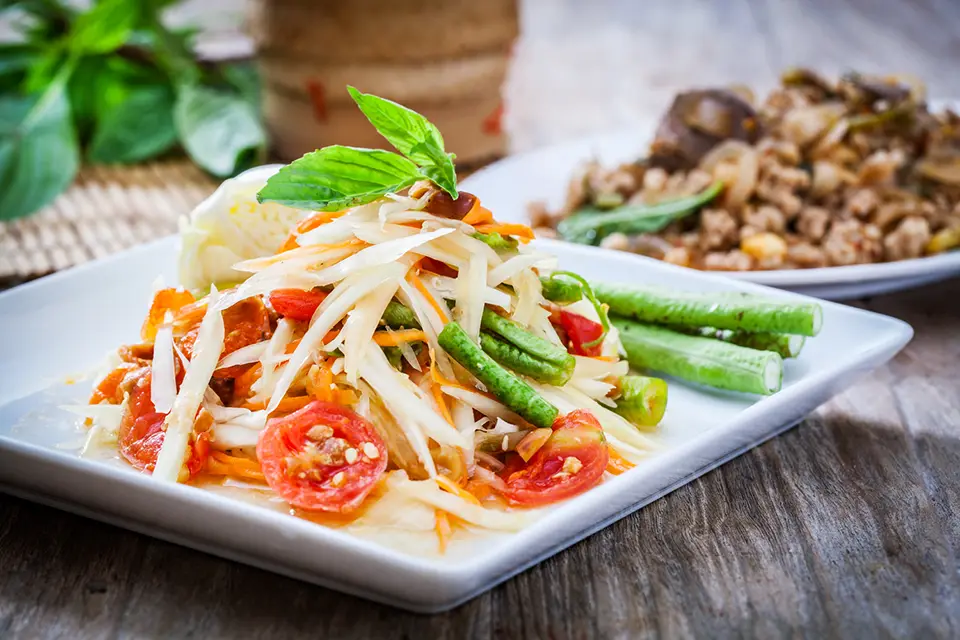
• Experience Bangkok: Hidden Gems Guided Food Tour by Tuk Tuk
• Discover authentic Thai cuisine: Bangkok Night Tuk-Tuk Tour: Chinatown Discovery

Q2: Is Thai street food safe for foreigners?
Yes, especially when guided by local experts. Tours ensure clean, fresh, and trusted vendors.

Q3: Can I learn to cook Thai food in Thailand?
Yes, cooking classes are popular in Bangkok, Chiang Mai, and Phuket, often including market visits.

Q4: What is the average cost of Thai street food?
Street dishes usually range from 40–100 THB (USD 1–3), making it both affordable and delicious.

Q5: How spicy is Thai food?
Thai food can be very spicy, but you can always request “mai phet” (not spicy) or “phet nit noi” (a little spicy) when ordering.

Q6: Are there vegetarian or vegan options in Thai cuisine?
Yes, many dishes can be made vegetarian or vegan by replacing fish sauce with soy sauce and using tofu instead of meat.

Q7: What’s the difference between Thai curries (green, red, Massaman)?

  • Green Curry: Spicy, with green chilies and fresh herbs.
  • Red Curry: Rich and hot, with dried red chilies.
  • Massaman Curry: Milder, with potatoes and peanuts.

Q8: Can I drink tap water in Thailand?
No, tap water is not recommended. Always drink bottled water, which is inexpensive and widely available.

Q9: Do Thai people eat with chopsticks?
Chopsticks are used mainly for noodle dishes. For rice-based meals, Thais typically use a spoon and fork.

Q10: What time do Thai people usually eat dinner?
Most locals eat dinner around 6–8 PM, but street food markets often stay open late into the night.

Q11: Are Thai desserts worth trying?
Yes, beyond mango sticky rice, try coconut ice cream, Khanom Buang (crispy pancakes), or Tub Tim Grob (water chestnut in coconut milk).

Q12: Is tipping expected at Thai restaurants?
Not required, but rounding up the bill or leaving 20–50 THB is appreciated in casual restaurants. For high-end dining, 10% is standard.


Conclusion

From spicy curries to sweet mango sticky rice, Thai Food is more than something you taste—it’s something you remember. Every dish tells a story of Thailand’s culture and traditions. If you’re planning your trip, don’t just see Thailand—taste it.

👉 Ready to experience it for yourself? Book your Thai Food Tour with BeYourGuide today.