

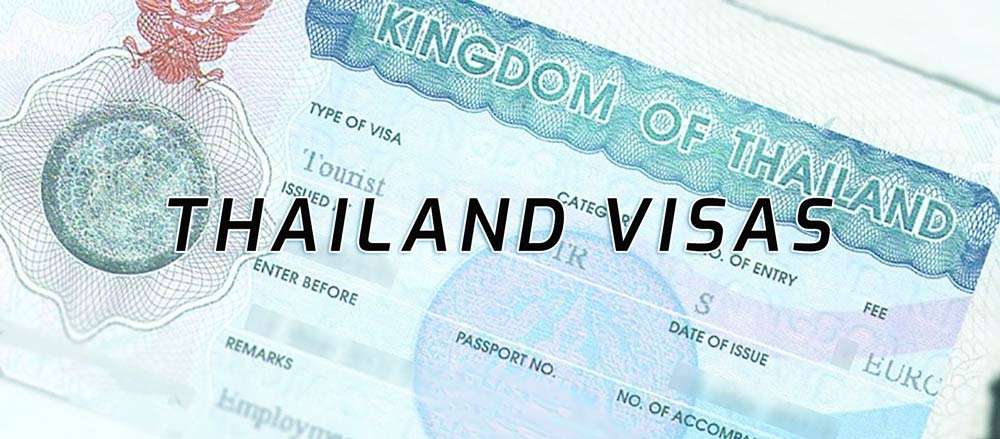
A smooth journey to Thailand begins with understanding the right visa for your nationality.
BeYourGuide
Planning a trip to Thailand in 2026? Understanding the latest visa requirements is essential before booking your flights.
Thailand welcomes millions of visitors each year and offers visa-free entry, Visa on Arrival (VOA), e-Visa, and traditional tourist visas depending on your nationality. Since immigration policies can change, travelers should always verify the latest requirements with the Royal Thai Embassy or Thailand’s Ministry of Foreign Affairs before departure.
Quick Navigation: Jump to a Section
Quick Overview
Foreign visitors entering Thailand generally fall into one of the following categories:
- Visa Exemption (No Visa Required)
- Visa on Arrival (VOA)
- Thailand e-Visa
- Tourist Visa Required Before Travel
In addition, all foreign visitors must complete the Thailand Digital Arrival Card (TDAC) before arriving in Thailand. The TDAC is not a visa; it is a mandatory online arrival registration. Travelers can submit the form within three days before arrival.
Visa-Free Entry Countries
Citizens of many countries can enter Thailand without obtaining a visa in advance for tourism and short-term visits.
These countries traditionally include:
Europe
- United Kingdom
- Germany
- France
- Italy
- Spain
- Netherlands
- Switzerland
- Sweden
- Norway
- Denmark
- Finland
- Austria
- Belgium
- Ireland
- Portugal
- Poland
- Czech Republic
North America
- United States
- Canada
Asia-Pacific
- Japan
- South Korea
- Singapore
- Malaysia
- Hong Kong
- Australia
- New Zealand
Middle East
- United Arab Emirates
- Qatar
Important: Thailand announced visa policy revisions in 2026, including changes to visa-exempt stay durations and eligible countries. Travelers should confirm current eligibility before departure.
Visa on Arrival (VOA) Countries
Some nationalities can obtain a visa upon arrival at designated Thai immigration checkpoints.
As of early 2026, Visa on Arrival eligibility includes countries such as:
Asia
- India
- China
- Bhutan
- Kazakhstan
- Kyrgyzstan
- Taiwan
- Uzbekistan
Europe
- Armenia
- Belarus
- Bulgaria
- Georgia
- Malta
- Romania
- Russia
- Serbia
Americas
- Mexico
- Bolivia
- Costa Rica
- El Salvador
- Paraguay
- Venezuela
Other Regions
- Saudi Arabia
- Cyprus
- Ethiopia
- Fiji
- Papua New Guinea
- Seychelles
- Tunisia
- Namibia
- Vanuatu
Visa on Arrival travelers typically need:
- A passport valid for at least six months
- Proof of accommodation
- Return or onward travel ticket
- Sufficient funds for the trip
- Visa fee (where applicable)
Thailand has announced further revisions to its Visa on Arrival program in 2026, so eligibility may change. Always verify requirements before traveling.
Nationalities Requiring a Tourist Visa
Travelers from countries not covered by visa exemption or Visa on Arrival programs must obtain a tourist visa before entering Thailand.
The easiest option is often the Thailand e-Visa system, available through many Thai embassies and consulates worldwide.
Required documents generally include:
- Passport
- Passport photo
- Flight itinerary
- Hotel reservation or accommodation details
- Financial evidence
- Visa application form
Processing times vary by country and embassy.
Thailand Digital Arrival Card (TDAC)
Since May 2025, all foreign visitors entering Thailand by air, land, or sea must complete the Thailand Digital Arrival Card (TDAC) before arrival. The system replaces the previous paper TM6 arrival form.
What You Need for TDAC
- Passport details
- Travel information
- Accommodation information in Thailand
- Contact details
The registration is free.
Travelers should be cautious of unofficial websites that charge fees for TDAC registration. Thailand’s Immigration Bureau has repeatedly warned visitors about fraudulent websites offering paid TDAC services.
FAQs about Thailand Visa Requirements by Nationality
Do I need a visa to visit Thailand in 2026?
It depends on your nationality. Many travelers can enter Thailand under the Visa Exemption Program, while others may qualify for Visa on Arrival (VOA) or need to obtain a tourist visa before traveling.
Which countries can enter Thailand without a visa?
Thailand offers visa-free entry to citizens of many countries, including the United States, United Kingdom, Canada, Australia, New Zealand, Japan, South Korea, Singapore, and most European Union countries. Entry conditions and permitted stay periods may change, so travelers should check official government sources before departure.
How long can I stay in Thailand without a visa?
The permitted stay depends on your nationality and the immigration regulations in effect at the time of entry. Travelers should verify the latest duration allowed under Thailand’s Visa Exemption Program before traveling.
What is Thailand’s Visa on Arrival (VOA)?
Visa on Arrival allows eligible travelers from selected countries to obtain a visa when arriving at designated airports and border checkpoints in Thailand, without applying in advance.
Which nationalities are eligible for Visa on Arrival in Thailand?
Countries commonly eligible for Visa on Arrival include India, China, Saudi Arabia, Kazakhstan, Taiwan, and several others. The eligible country list may change, so travelers should confirm their status before travel.
Can I apply for a Thailand visa online?
Yes. Many travelers can apply through Thailand’s e-Visa system, which allows applications to be submitted online before arrival.
What documents are required for a Thailand tourist visa?
Typical requirements include:
- Passport valid for at least six months
- Passport-sized photo
- Proof of accommodation
- Return or onward flight ticket
- Financial evidence showing sufficient funds
- Completed visa application form
Requirements may vary depending on nationality and the Thai embassy handling the application.
How much money do I need to enter Thailand?
Thai immigration officers may ask visitors to demonstrate sufficient funds for their stay. The required amount can vary depending on visa type and immigration regulations.
Is a return ticket required when entering Thailand?
In many cases, travelers may be asked to provide proof of onward or return travel. Immigration officers have the authority to request supporting travel documents upon arrival.
What is the Thailand Digital Arrival Card (TDAC)?
The Thailand Digital Arrival Card (TDAC) is an online arrival registration system that foreign visitors must complete before entering Thailand. It replaces the former paper TM6 arrival card.
Is the TDAC the same as a visa?
No. The TDAC is not a visa and does not replace visa requirements. Travelers must still meet all applicable visa or visa-exemption conditions.
When should I complete the TDAC?
Travelers should submit the TDAC within the period specified by Thai immigration authorities before arriving in Thailand.
Do children need a TDAC?
Yes. All foreign travelers, including minors, may be required to be included in the TDAC registration process.
Can I extend my stay in Thailand?
In many cases, visitors can apply for an extension at a local Thai Immigration Office. Approval is subject to immigration regulations and the type of visa or entry permission granted.
How many times can I enter Thailand in one year?
The number of entries allowed depends on your visa type, travel history, and immigration officer discretion. Frequent visa-exempt entries may attract additional scrutiny.
What happens if I overstay my visa in Thailand?
Overstaying can result in fines, immigration penalties, detention, deportation, or restrictions on future entry into Thailand. Travelers should always ensure they leave or extend their stay before their permitted period expires.
Can I work in Thailand with a tourist visa?
No. A tourist visa or visa-exempt entry does not permit employment in Thailand. Foreign nationals who wish to work must obtain the appropriate visa and work authorization.
Can digital nomads stay in Thailand on a tourist visa?
Tourist visas are intended for tourism purposes. Digital nomads planning long-term stays should research Thailand’s available long-stay and remote-work visa options.
What should I do if my visa application is rejected?
Contact the Thai embassy or consulate that processed your application to understand the reason for the rejection and determine whether reapplication is possible.
Where can I check the latest Thailand visa requirements?
The most reliable sources are:
- Royal Thai Embassy websites
- Thai Consulates in your country
- Thailand’s Ministry of Foreign Affairs
- Thailand Immigration Bureau
Because visa policies can change, travelers should always verify the latest information before booking flights or traveling.
Final Travel Advice
Thailand remains one of the world’s most welcoming travel destinations, but immigration requirements can change frequently. Before booking flights, confirm the latest visa information with official Thai government sources or your nearest Thai Embassy.
By preparing the correct documents in advance, you can enjoy a smooth arrival and spend more time exploring Thailand’s beautiful beaches, vibrant cities, rich culture, and unforgettable food.