Planning a Family Trip in Chiang Mai is one of the best choices for parents exploring Thailand with children. The city is safe, affordable, and full of attractions that mix nature, culture, and fun. Whether your family loves animals, adventure, or hands-on experiences, Chiang Mai makes it easy to enjoy it all.
Quick Navigation: Jump to a Section
Why Chiang Mai Works for Families
Safe & welcoming: Ranked among Thailand’s safest big cities (source: TAT, 2025-01).
Affordable: Meals at night markets start at 40–60 THB, hotels from 1,200 THB/night.
Compact: Most attractions are within 30–40 minutes of the Old City.
1. Visit an Ethical Elephant Sanctuary
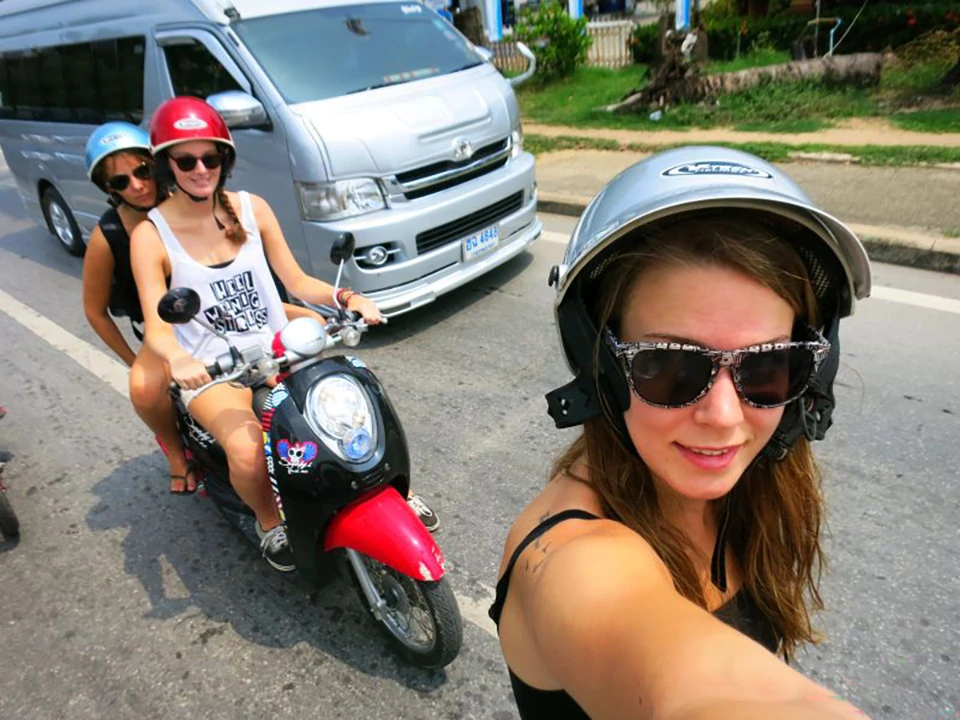
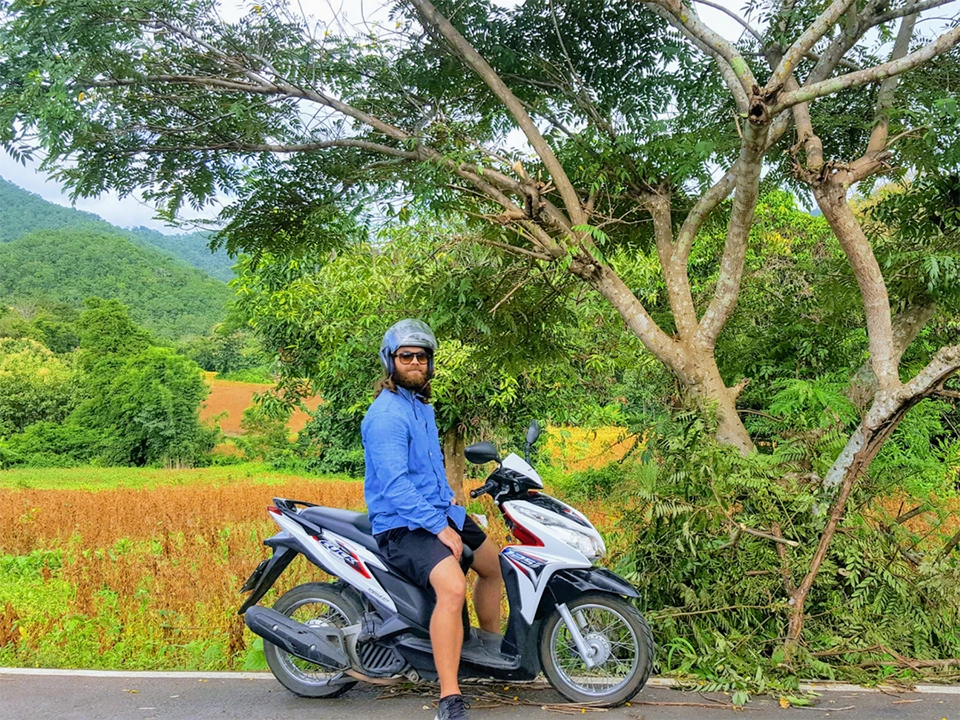
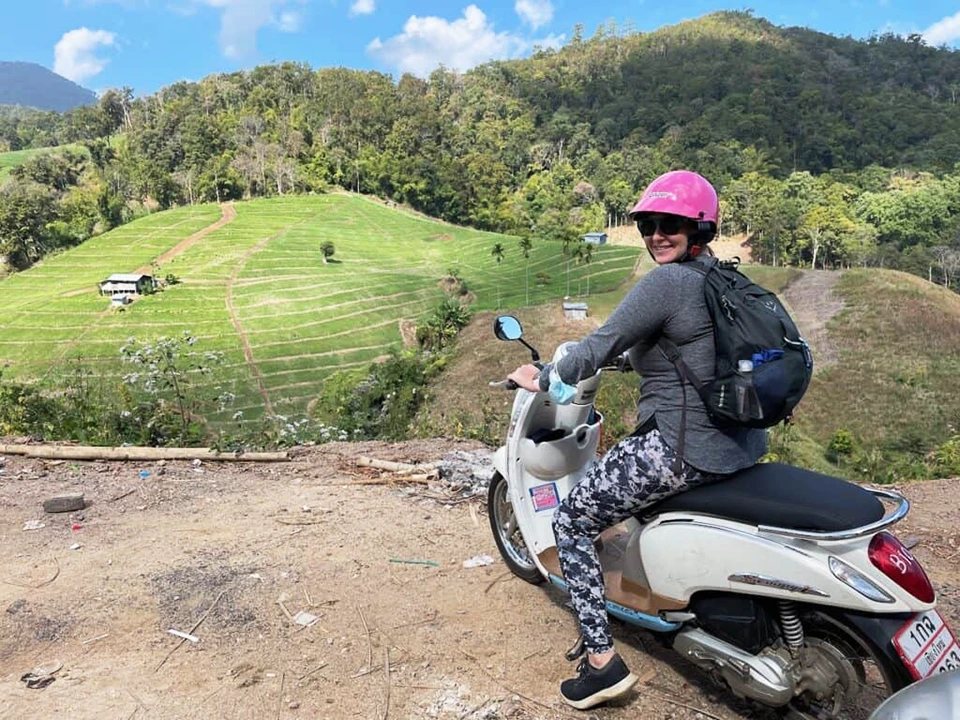
Motorbike accidents are common among tourists in Thailand, but you can minimize risks by following these Chiang Mai motorbike safety tips:
Best age: 4+ Duration: Half or full day
One of the most unforgettable experiences in a Chiang Mai family tour is spending time with Chiang Mai elephant sanctuary. Kids can feed, bathe, and walk alongside elephants in a safe way — without riding them. Parents love that children learn about conservation, kindness, and respect for nature.
💡 Tip: Bring extra clothes and sandals that can get wet. 👉 Experience Chiang Mai elephant sanctuary
Best age: 8+ (Zipline), 12+ (ATV) Duration: Half day
Chiang Mai’s forests and hills make it a perfect playground for adventurous families.
Zipline Parks like Flight of the Gibbon and Jungle Flight let kids glide safely through treetops with professional guides. Routes range from 1–3 hours with sky bridges and canopy walks.
ATV Tours take older kids and teens through scenic dirt trails and small villages. Helmets and safety gear are always provided.
💡 Tip: Wear sneakers, not flip-flops. Check if your child meets the height/weight limits before booking.
Walking or taking a tuk-tuk around the Old City is easy and relaxed. Highlights:
Wat Phra Singh – golden Buddha, peaceful courtyard.
Wat Chedi Luang – massive ancient stupa kids will love exploring.
4. Interactive Fun at Art in Paradise
Best age: 3+ Duration: 1.5–2 hours
Art in Paradise is a 3D interactive museum where families can take photos inside giant optical illusions. Kids can “ride” magic carpets, “swim” with whales, or “fight” dragons — perfect for rainy days or afternoons when kids need playtime.
Best age: All ages Duration: 2–3 hours (evening only)
At Chiang Mai Night Safari, one of the best Chiang Mai attractions, families ride open-air trams through animal zones to see giraffes, zebras, tigers, and lions up close. There are also walking trails, a musical fountain, and a light show after sunset.
💡 Tip: Arrive before 6:00 PM to catch both the tram ride and the fountain show. 👉 Family happy time with Night Safari Ticket with options
6. Chiang Mai Night Markets
Best age: All ages Duration: 2–3 hours Price: Meals 40–60 THB, souvenirs from 100 THB
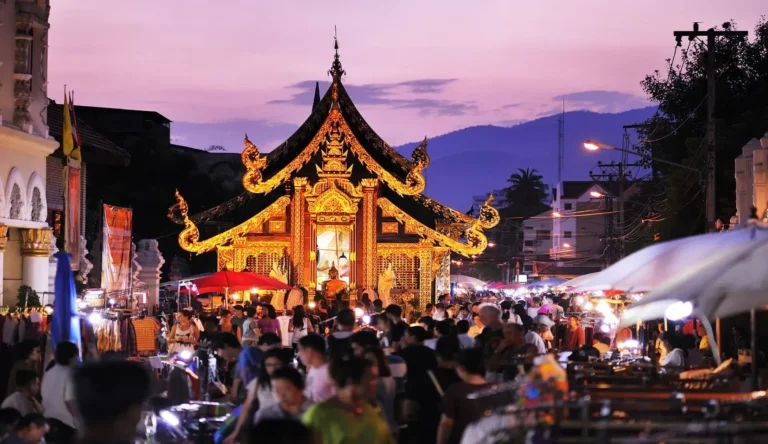
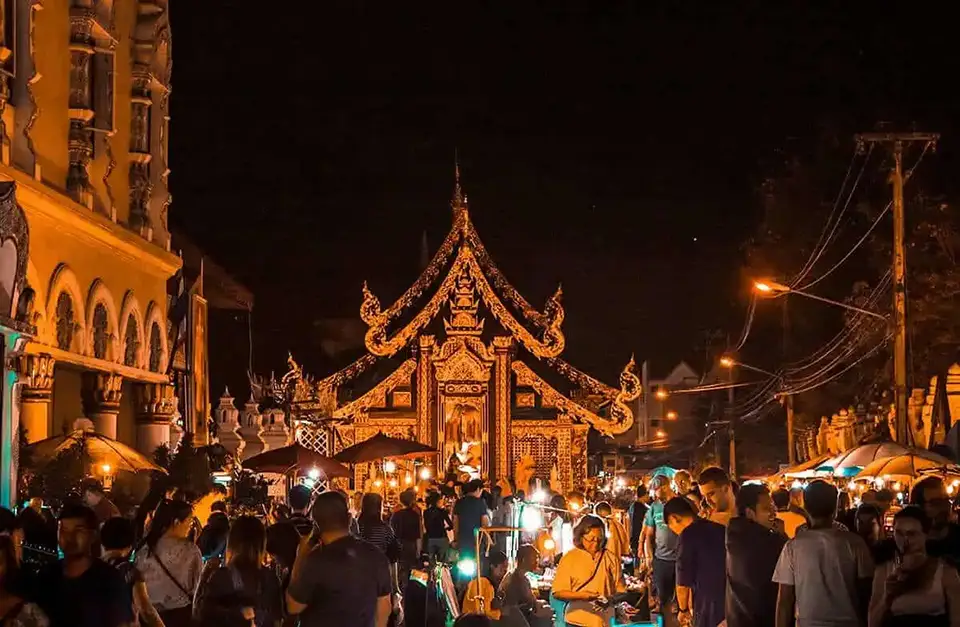
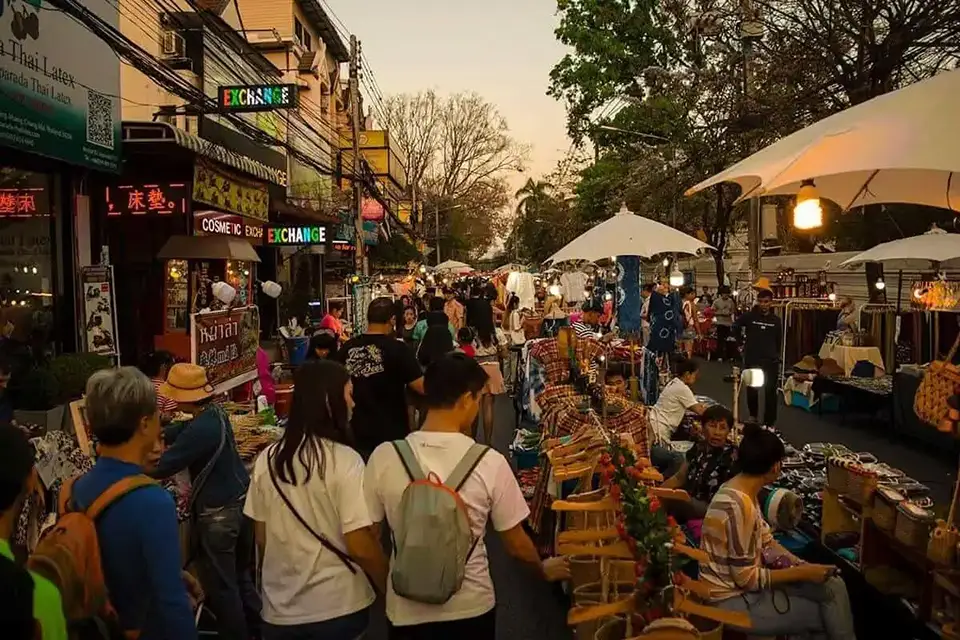
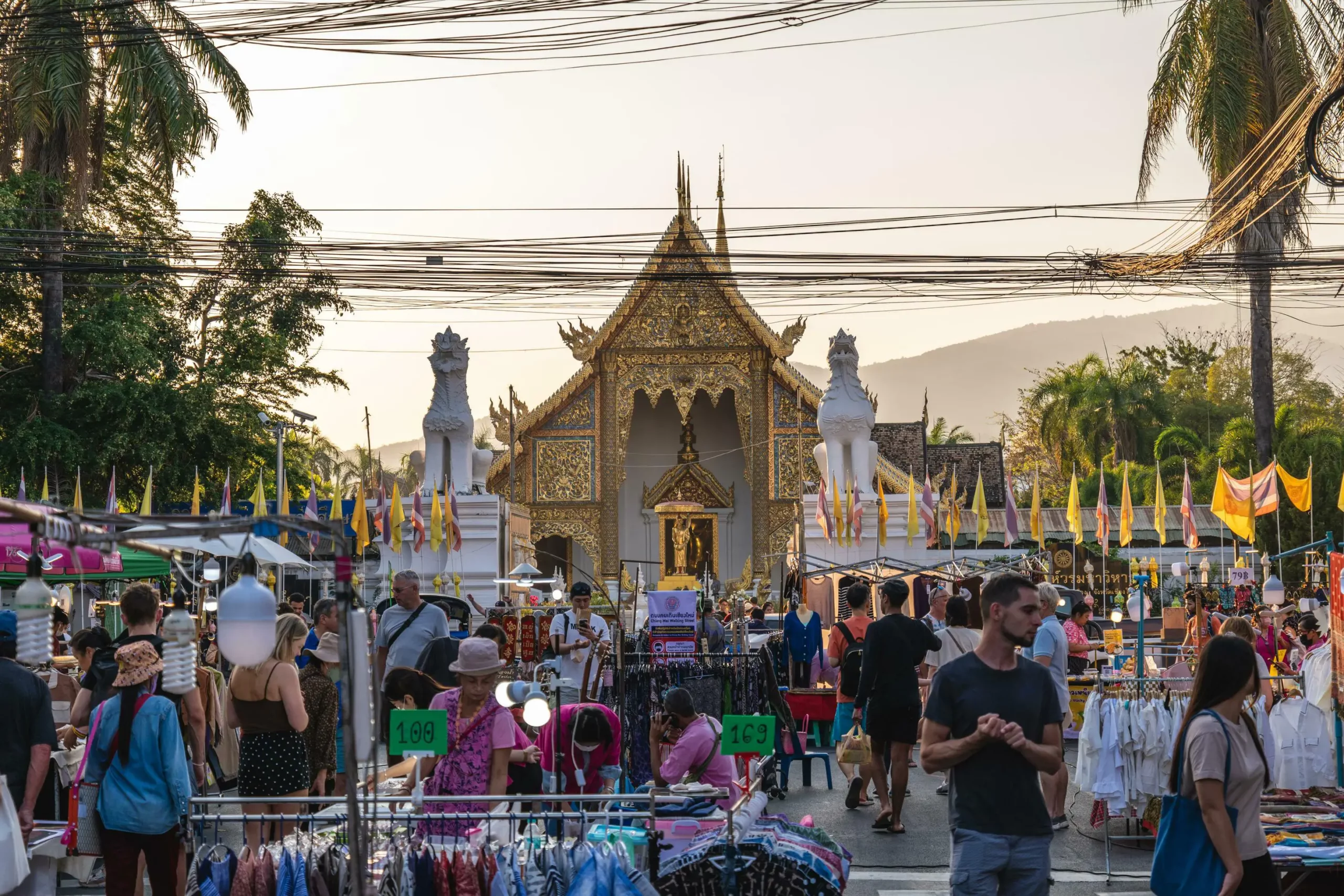
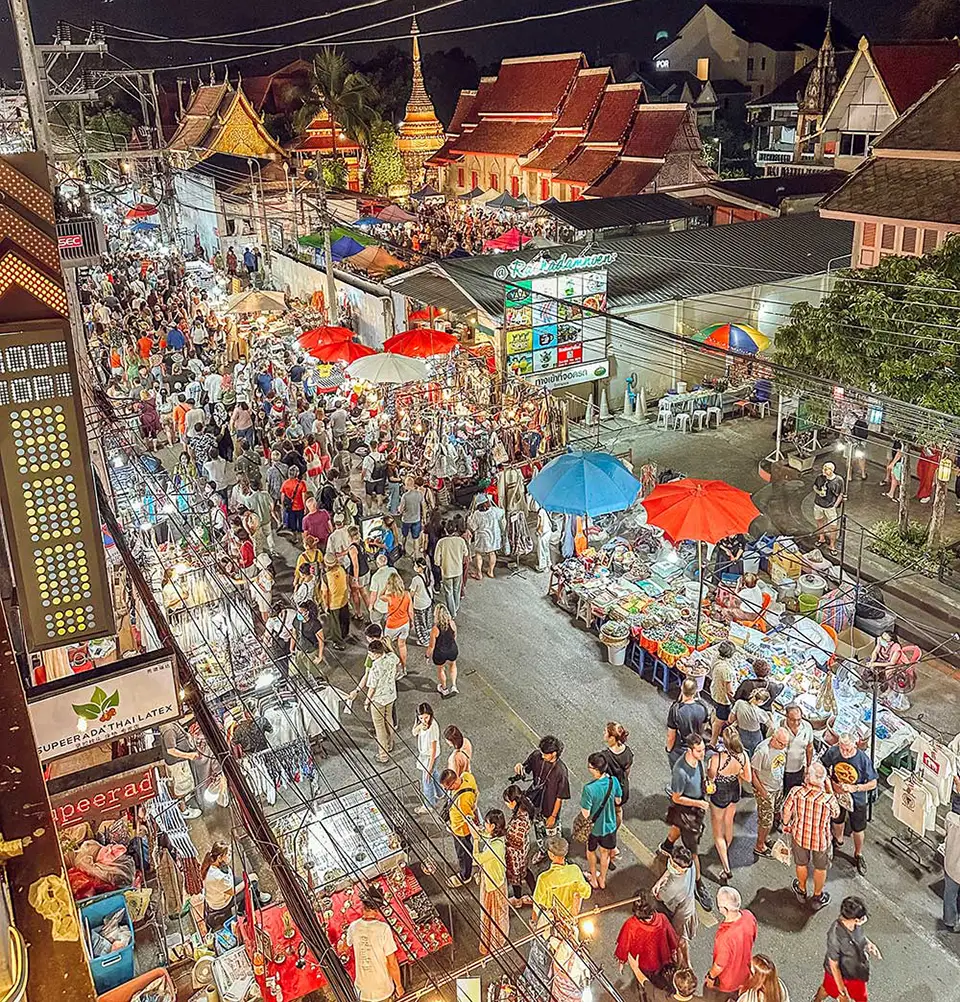
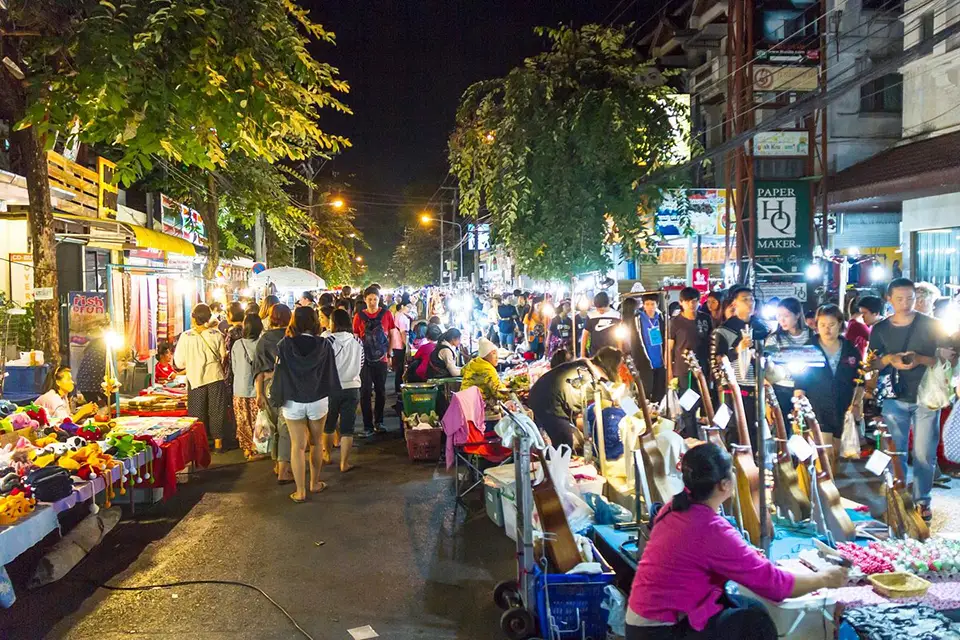
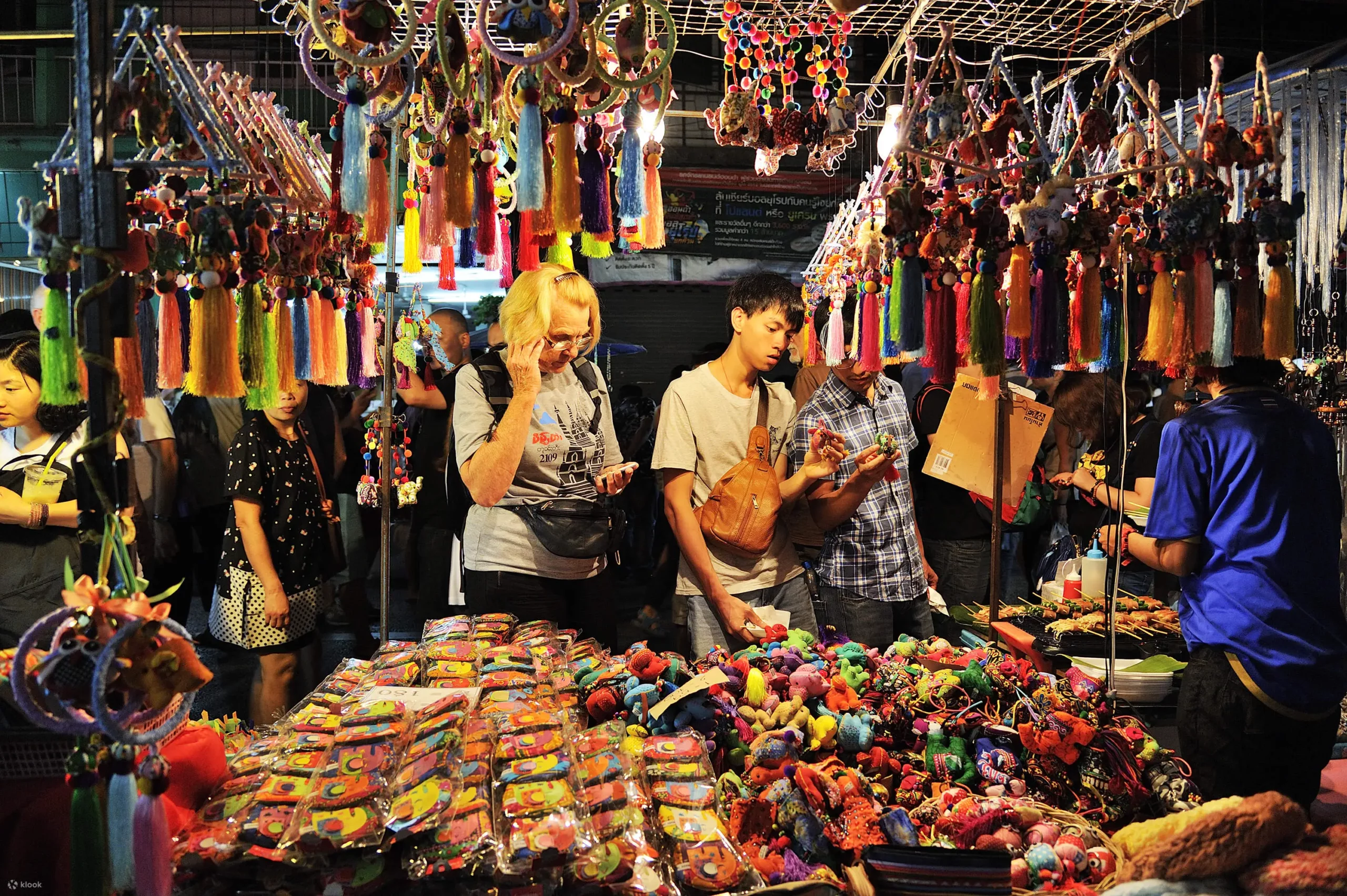
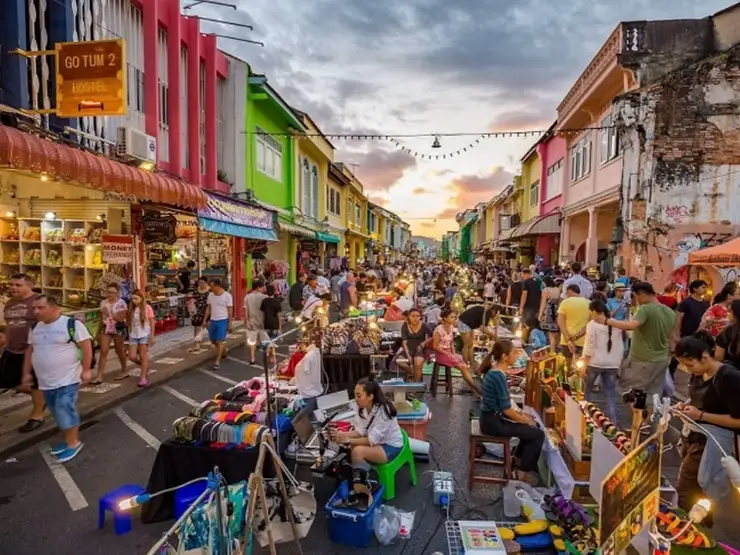
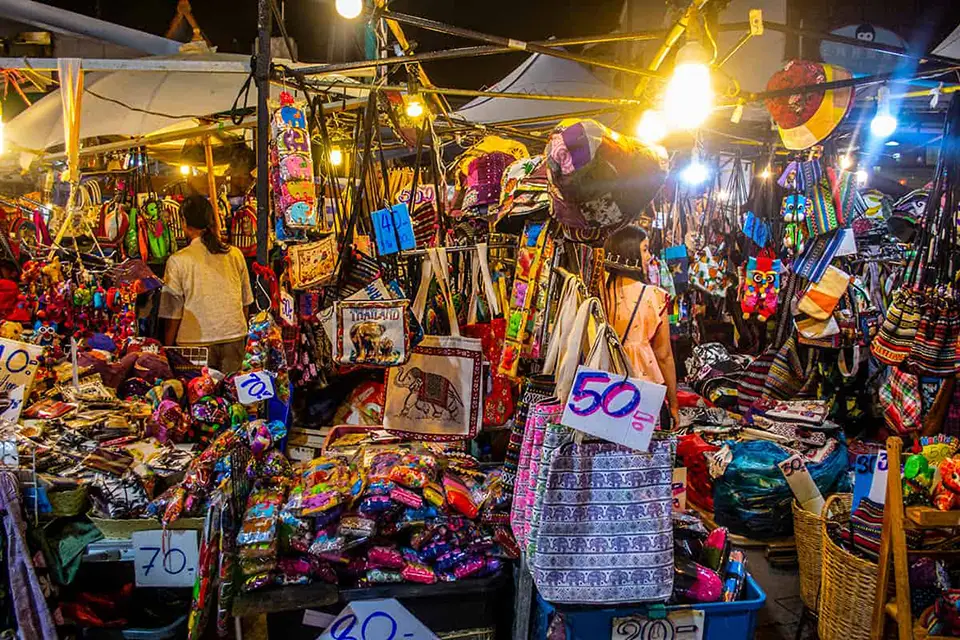
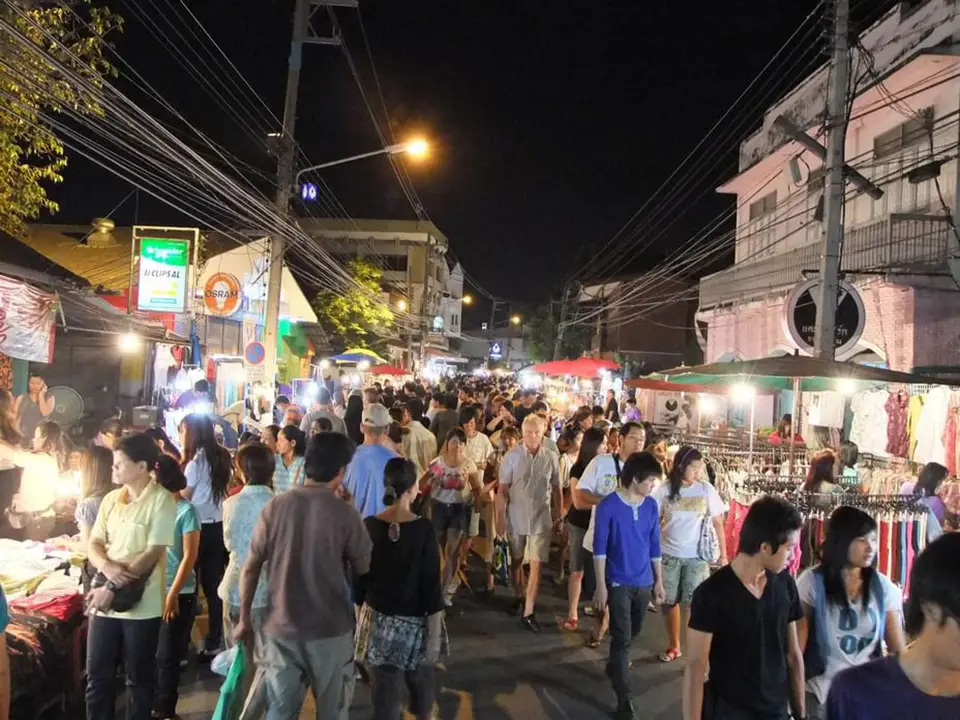
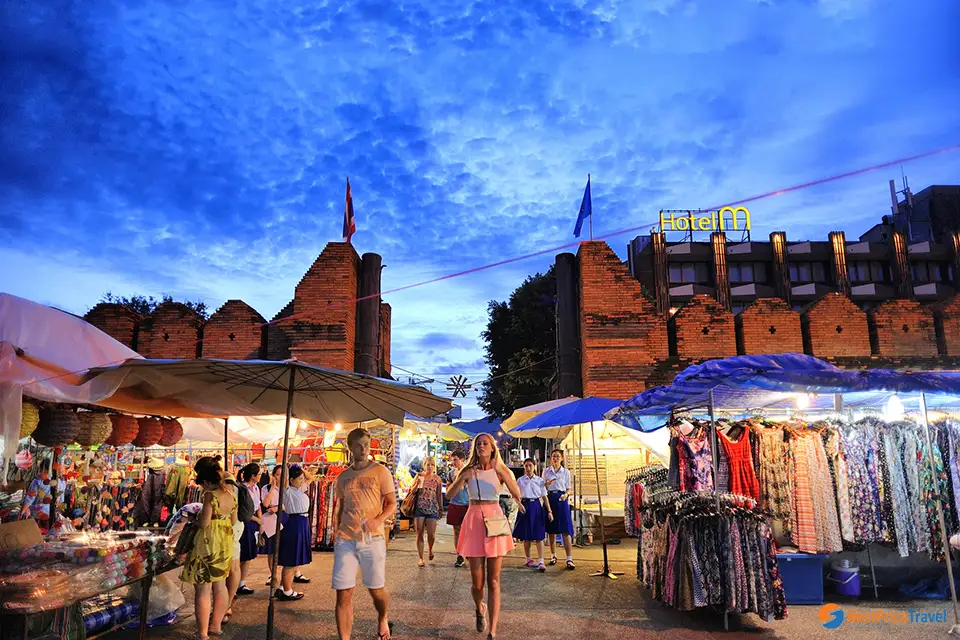
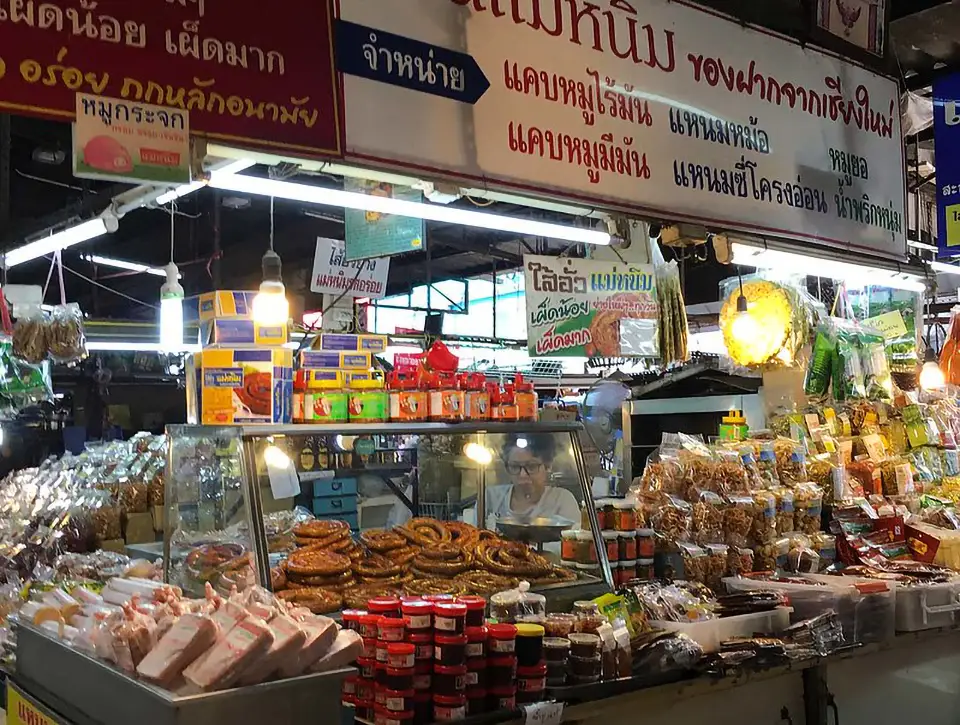
The Sunday Walking Street Market is family-friendly, lively, and safe. Street performers entertain kids, while parents can shop for handicrafts and sample local food. The Chiang Mai Night Bazaar runs daily and offers toys, clothes, and snacks.
💡 Tip: Bring cash (most vendors don’t take cards) and a stroller for young children.
7. Family Cooking Class
Best age: 6+ Duration: Half day
Chiang Mai is famous for cooking classes, and many schools now adapt lessons for families. Kids can grind curry paste, roll spring rolls, or fry pad thai. Parents love that the recipes are easy to recreate at home.
💡 Tip: Choose a half-day morning class so kids don’t get too tired.
Q1: How many days should we stay in Chiang Mai with kids? 4–5 days is ideal for elephants, temples, Art in Paradise, Night Safari, and an adventure activity.
Q2: Is ziplining safe for children? Yes. Major zipline operators meet international safety standards and provide helmets and harnesses. Minimum age is usually 7–8 years old. They are one of a must “Chiang Mai with kids” attractions.
Q3: What’s the best rainy-day activity? Art in Paradise and indoor cooking classes are perfect.
Q4: Can we book all activities in advance? Yes — it’s recommended, especially for elephant sanctuaries, which often sell out weeks ahead.
A Family Trip in Chiang Mai is the perfect mix of adventure and culture. From elephants to zipline and ATV rides, interactive fun at Art in Paradise, evening thrills at the Night Safari, and hands-on cooking classes, every moment offers families a chance to bond and create lifelong memories.
👉 Book your Chiang Mai family adventure with BeYourGuides today.
Chiang Mai photo spots are among the most magical in Thailand. From golden pagodas and lush mountain views to colourful markets and secret gardens, these photo spots in Chiang Mai offer both iconic shots and hidden gems. Whether you’re a shutterbug, influencer, or traveller wanting beautiful memories, this guide will help you discover where, when, and how to take the best photos in Chiang Mai.
Quick Navigation: Jump to a Section
1. Wat Phra That Doi Suthep
No trip to Chiang Mai is complete without visiting Wat Phra That Doi Suthep, the city’s most iconic temple. Sitting high above Chiang Mai at about 1,060 meters, this golden pagoda glows beautifully under the sun. The sweeping panoramic view of the city below is one of the most photographed scenes in northern Thailand. Photo tip: Arrive before 8 AM to enjoy soft golden light and avoid tour groups. If you love night photography, visit around dusk when the city lights begin to twinkle.
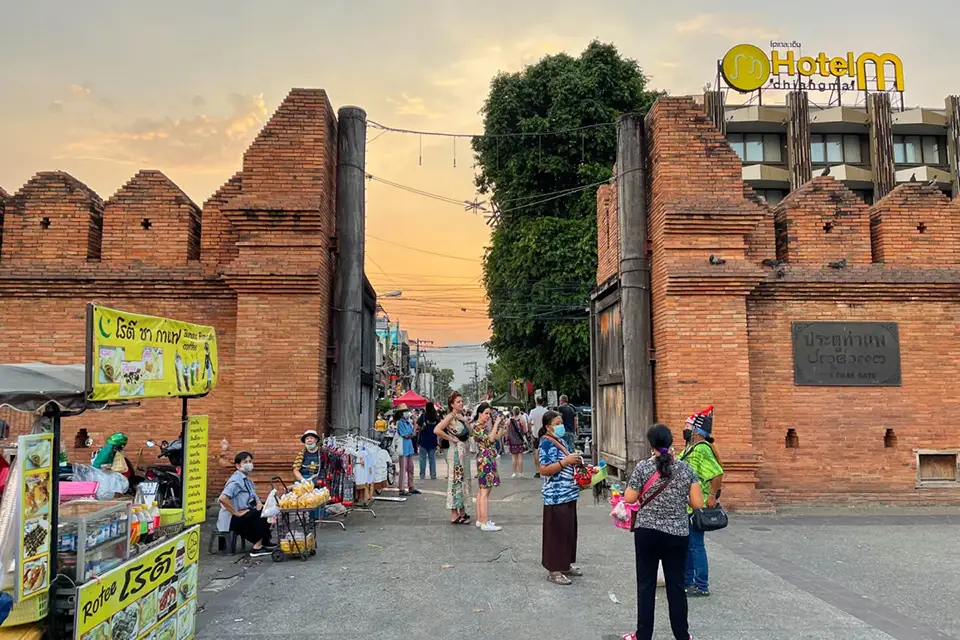
The Old City is full of charm, with its crumbling walls, ancient temples, narrow alleys, and tree-lined streets. Wat Chedi Luang with its partially ruined stupa is especially striking in the late afternoon light. Tha Phae Gate, one of the most famous city gates, is perfect for capturing lively street scenes and cultural festivals. Photo tip: Explore on foot in the early morning when the streets are calm. Sunset near the moat also creates beautiful water reflections.
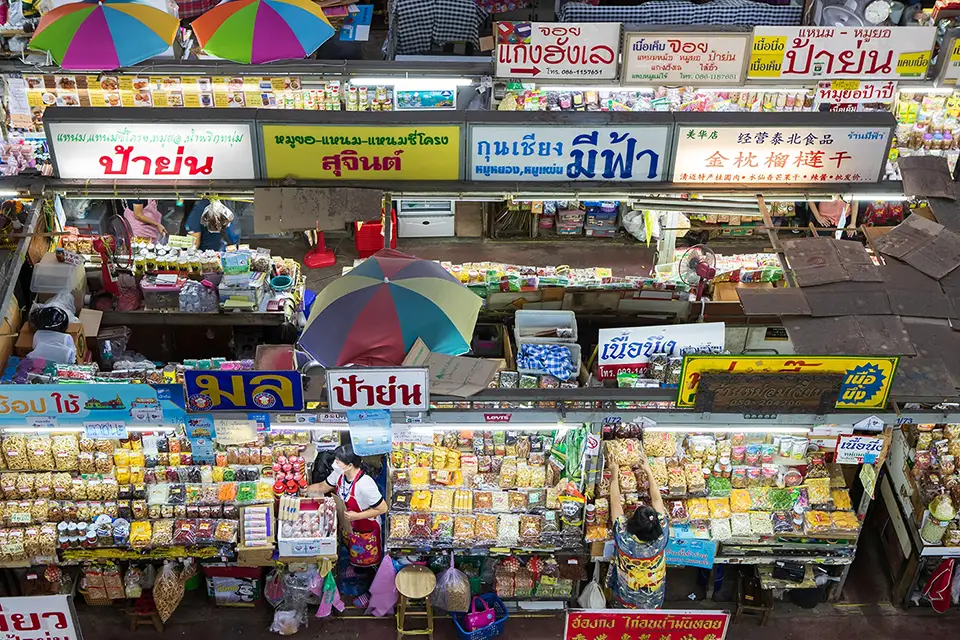
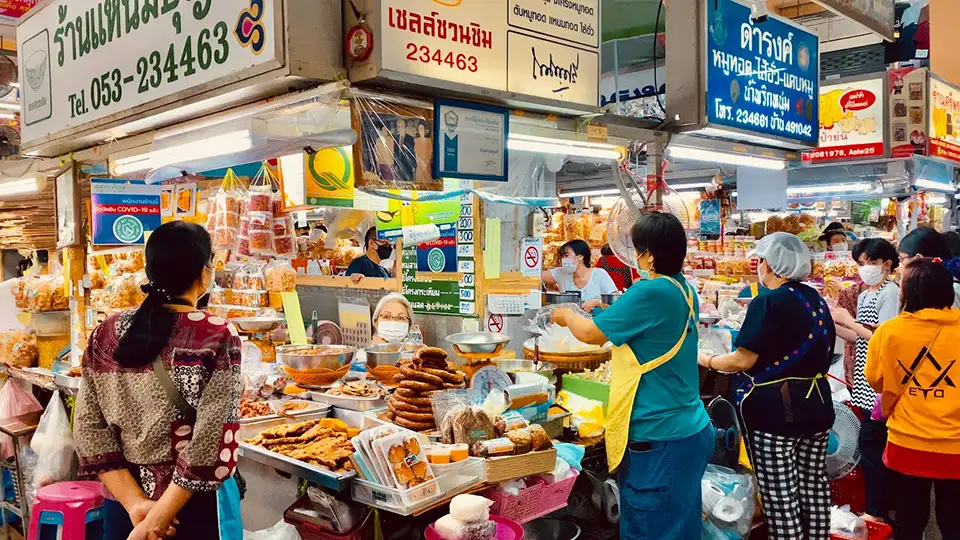
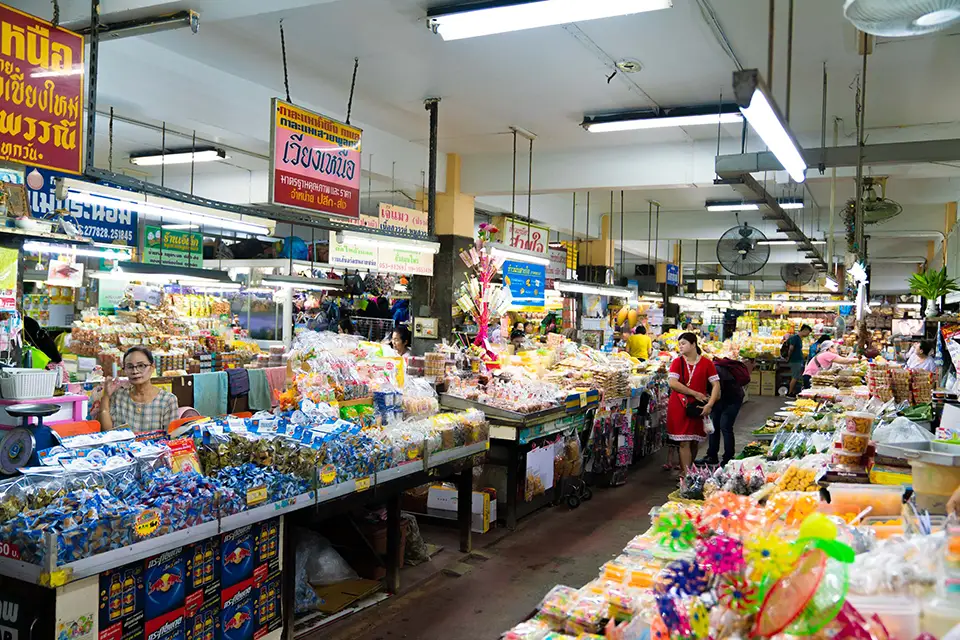
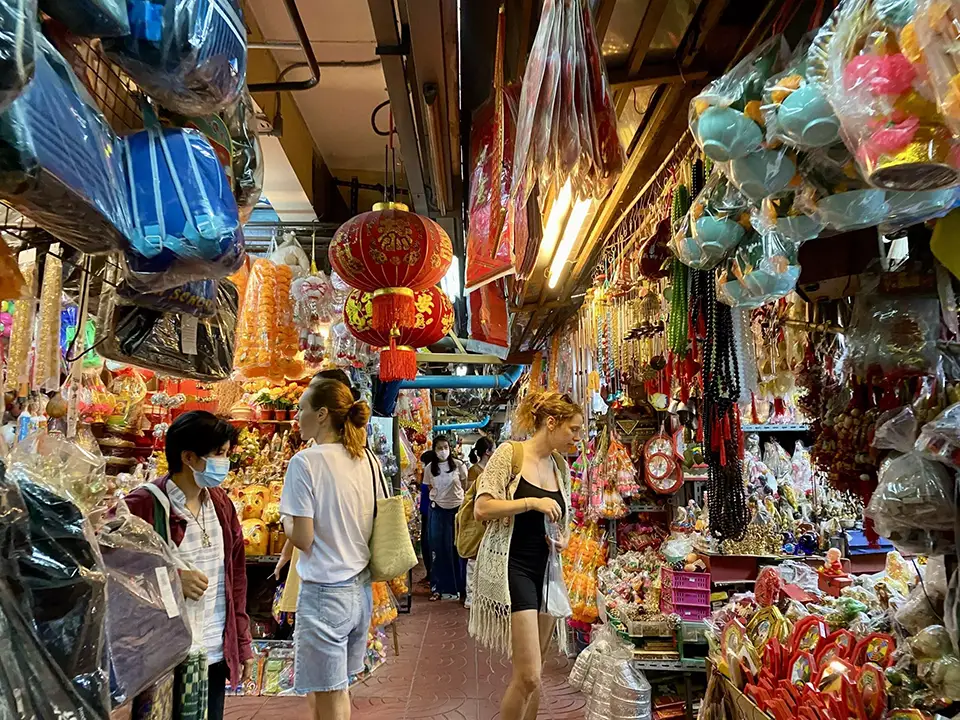
For a burst of color and life, head to Warorot Market, the beating heart of Chiang Mai’s Chinatown. Piles of tropical fruit, bright flowers, and busy vendors create endless opportunities for vibrant street shots. Photo tip: Morning is best for fresh produce and authentic local life. Use a fast lens for indoor stalls with lower light.
Just west of the Old City, Chiang Mai University is surrounded by beautiful green spaces. The Ang Kaew Reservoir is especially peaceful, with still waters that mirror the surrounding trees and mountains. It’s a local favorite spot for sunset walks. Photo tip: Visit in the golden hour before sunset for reflections on the lake. This spot is perfect for romantic couple portraits or relaxed travel photography.
Located only about 10 kilometers from downtown, Huay Tung Tao Lake is a hidden gem where locals go to relax. Traditional bamboo huts sit right on the water, serving fresh northern Thai dishes. The backdrop of Doi Suthep mountain makes this a serene and photogenic escape. Photo tip: Midday is quiet if you want to capture still waters, but late afternoon gives the lake a golden glow. Perfect for lifestyle shots of travelers enjoying local food.
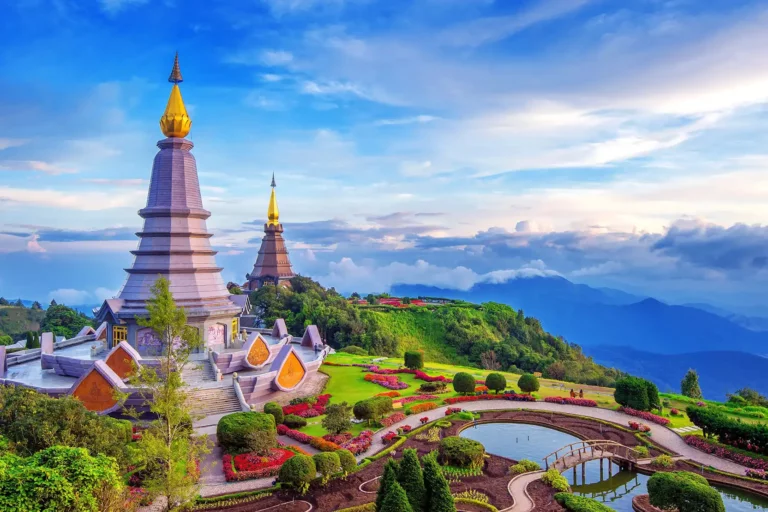
As Thailand’s highest mountain, Doi Inthanon is a dream for photographers. Highlights include the twin royal pagodas, waterfalls like Mae Ya and Wachirathan, and viewpoints above the morning clouds. The diverse flora and cool climate make it very different from the city. Photo tip: Arrive at sunrise for the magical “sea of clouds.” A tripod is recommended for capturing silky waterfall shots.
Often called the “secret temple,” Wat Pha Lat sits deep in the jungle along the Monk’s Trail. Covered in moss and surrounded by tropical forest, it feels untouched by time. Waterfalls, bridges, and statues add to its mystical atmosphere. Photo tip: Visit on a cloudy day to enhance the moody, green tones. Wide-angle shots work well to capture the temple blending into the jungle.
The Ping River runs through the heart of Chiang Mai and becomes especially photogenic around the Iron Bridge. In the daytime, you’ll see local fishermen and riverside cafes; at night, the bridge glows with colorful lights. This area is also close to the lively night markets. Photo tip: For romantic photos, shoot at sunset when the sky reflects on the water. Long exposure shots of traffic and lights after dark can create stunning results.
The Royal Park Rajapruek is a landscaped botanical garden showcasing plants from across Thailand and beyond. At its center stands the Hor Kham Luang Pavilion, a masterpiece of traditional Lanna architecture. The perfectly manicured gardens provide a majestic setting. Photo tip: Arrive early in the morning to avoid the heat and capture the pavilion with soft light. Wide shots work best to include both the gardens and the structure.
Known as the Silver Temple, Wat Sri Suphan is unique in Thailand. Its walls, roof, and interior are covered entirely in silver, with incredibly detailed carvings. At night, the temple glows under spotlights, creating a surreal atmosphere. Photo tip: Morning light reveals the details of the silver carvings, while evening creates dramatic contrasts. Close-up shots are perfect here.
When the sun goes down, the Chiang Mai Night Bazaar comes alive with neon lights, food stalls, and local crafts. The mix of light, color, and people creates endless photography opportunities. Photo tip: Use a fast lens for low-light street photography. Capture candid moments of street food vendors, performers, and bustling crowds.
For something different, visit Mae Kha Canal, a recently revitalized walkway with bamboo bridges and lanterns. It offers a mix of heritage and modern creative energy. Nearby, Baan Kang Wat Art Village is a community of local artists, cafes, and workshops with charming rustic designs. Photo tip: Early evening is best for lantern lights and warm tones. Capture details like painted walls, handmade crafts, and cozy coffee corners.
Transportation: Many spots are reached via Grab, Songthaew, or scooter. For Doi Suthep or Doi Inthanon leave early to avoid traffic and heat.
Outbound Links & Related Resources
Tourism Authority of Thailand – Doi Inthanon official page
Local Chiang Mai Photographic Workshops (e.g. Chiang Mai Photo Workshops)
Flytographer – for hire local photographers in Chiang Mai
Also, See more on beyourguides.com:
[Chiang Mai Temple Tours] (internal link)
[Chiang Mai Nature & Waterfall Treks]
FAQ (Frequently Asked Questions)
Q1: What’s the best time of day to visit Chiang Mai photo spots? Early morning and late afternoon (golden hour) have the best light and fewer crowds. For night or market shots, after sunset when the lights come on.
Q2: Are entrance fees needed for major temples or viewpoints? Yes, some temples like Wat Phra That Doi Suthep charge entrance (varies, often ~30–50 THB); national parks like Doi Inthanon have park fees. (Double-check latest rates with official sources before visiting.)
Q3: Is it safe to take photos of locals / in markets? Generally yes, but always ask permission, especially in more conservative contexts. Respect privacy, offer a smile. Avoid flash in sacred spaces.
Q4: Do I need a guide or local photographer? A guide can help you reach hidden spots, time sunrise/sunset perfectly, and understand temple etiquette. A local photographer can capture you in the scene so you appear in the photos, freeing you to enjoy the moment.
Q5: What kind of gear should I bring? A camera (or good smartphone), wide-angle lens for architecture, mid-zoom for portraits/details, tripod for low light, maybe a polarizing filter for sky/water reflections. Don’t forget spare batteries and memory.
Conclusion
Chiang Mai photo spots offer a dazzling mix of nature, culture, and local life. From the mountaintop views at Wat Phra That Doi Suthep to the hidden serenity of Wat Pha Lat, from night bazaars to lake reflections, there are endless opportunities to capture moments that move you.
If you’re planning your trip, use this guide to map your must-see places, schedule your golden hours, and maybe let a local guide or photographer help you unlock shots that ordinary walking won’t reveal.
Spend a day visiting Doi Suthep and Wat Chedi Luang. Start early at Doi Suthep: climb the 306-step Naga staircase for panoramic city views; entry 30 THB; dress modestly. Then head to Wat Chedi Luang in the old city, once the tallest Lanna structure; entry 40 THB. Suggest using red songthaews or renting a motorbike.
Quick Navigation: Jump to a Section
Morning: Sunrise at Doi Suthep
If you only have one day in Chiang Mai, Doi Suthep is the perfect place to start. Perched on a mountain just 15 km from the city, this golden temple offers breathtaking panoramic views of Chiang Mai — especially in the early morning when the city is still wrapped in soft mist.To reach the temple, you’ll climb the iconic 300-step Naga staircase, guarded by colorful serpent statues. Don’t worry, the climb is short but rewarding, with the glittering golden chedi awaiting at the top. Inside, you’ll find intricate murals and a peaceful courtyard where monks chant in the background.
Opening hours: 6:00 AM – 8:00 PM
Entrance fee: 30 THB
Dress code: Shoulders and knees covered; sarongs available for rent.
How to get there: Take a red songthaew (shared taxi) from the city for around 50-60 THB per person, or rent a motorbike for more flexibility.
Travel Tip: Arrive before 8:00 AM to avoid crowds and enjoy the soft golden light on the temple.
After descending from the mountain, head back into the Old City to visit Wat Chedi Luang, one of Chiang Mai’s most historically significant temples. Once the tallest structure in the ancient Lanna Kingdom, the massive chedi was partially destroyed by an earthquake in the 16th century, but still stands as an awe-inspiring landmark.
The temple grounds also host the City Pillar Shrine (Lak Mueang), which holds deep spiritual importance for locals. You can join a monk chat session in the shaded gardens — a unique opportunity to learn about Buddhism and Thai culture directly from the monks themselves.
The easiest way to visit both temples in one day is to:
Start at Doi Suthep in the morning.
Take a red songthaew back to the Old City.
Walk or take a short tuk-tuk ride to Wat Chedi Luang.
Transport tips:
Red Songthaews: Affordable, convenient, and part of the Chiang Mai experience.
Motorbike rental: 200–250 THB per day (check for helmets and insurance).
Why This Tour is Perfect for You
Time-efficient: See Chiang Mai’s most iconic temples in one day.
Cultural immersion: From mountain-top serenity to ancient ruins in the heart of the city.
Flexible: Ideal for solo travelers, couples, or small groups.
FAQ – Chiang Mai’s Famous Temples: Doi Suthep & Wat Chedi Luang
Q1. How do I get to Doi Suthep from Chiang Mai Old City? You can take a red songthaew (shared taxi) from Chiang Mai Old City for about 50–60 THB per person. The ride takes around 30 minutes. Alternatively, you can rent a motorbike (200–250 THB/day) for more flexibility. Private tours and Grab (ride-hailing app) are also available.
Q2. What is the entrance fee for Doi Suthep and Wat Chedi Luang?
Doi Suthep: 30 THB (about $1 USD)
Wat Chedi Luang: 40 THB (about $1.20 USD)
Both are budget-friendly and worth the visit.
Q3. What should I wear when visiting Chiang Mai temples? Temples in Thailand require modest dress. Shoulders and knees should be covered for both men and women. Sarongs are available for rent or purchase at temple entrances. Light, breathable clothing is recommended because of the tropical climate.
Q4. How many steps are there at Doi Suthep? The Naga staircase has 300 steps leading up to the golden chedi. It’s a short but rewarding climb, and the panoramic view of Chiang Mai is worth every step. There is also a cable car available for those who prefer not to climb.
Q5. Can I visit both Doi Suthep and Wat Chedi Luang in one day? Yes! Many travelers combine both temples in a single day. Start early at Doi Suthep to avoid crowds, then head back to the Old City to explore Wat Chedi Luang in the afternoon.
Q6. What makes Wat Chedi Luang special? Wat Chedi Luang was once the tallest structure in the Lanna Kingdom, originally housing the Emerald Buddha (now in Bangkok). Even though the chedi was partially damaged by an earthquake, it remains an iconic landmark and one of Chiang Mai’s most spiritual sites.
Q7. Are there any unique experiences at these temples? Yes! At Doi Suthep, you can listen to monks chanting in the morning, and at Wat Chedi Luang, you can join a monk chat to learn about Buddhism and Thai culture directly from monks in a relaxed setting.
Q8. Is it safe to rent a motorbike in Chiang Mai? Renting a motorbike is popular among travelers, but be sure to:
Wear a helmet (required by law).
Check the bike’s condition before renting.
Carry an international driver’s license. If you’re not comfortable driving, stick with red songthaews or book a guided tour.
Q9. When is the best time to visit Doi Suthep? The best time is early in the morning (before 8:00 AM) for cooler weather, fewer crowds, and stunning sunrise views over Chiang Mai.
Q10. Can children or older travelers visit these temples easily? Yes! While Doi Suthep has 300 steps, there is also a cable car available. Wat Chedi Luang is flat and easy to walk around, making it suitable for all ages.
Experience the Best of Chiang Mai, Simplified. Discover the heart of Chiang Mai in just one day — book your temple tour now and experience the magic of Doi Suthep and Wat Chedi Luang!
Chiang Mai’s night markets are among the city’s most colorful and unforgettable experiences. Imagine streets glowing under lantern light, the scent of sizzling street food filling the air, and rows of stalls offering handmade crafts, souvenirs, and local treats. From the famous Sunday Walking Street to the lively Saturday Walking Street, the historic
Warorot Market, the bustling markets near Tha Pae Gate, and the fresh-produce haven of Ton Payom Market—each spot offers its own charm. Tip: Arrive early to beat the crowd, carry enough cash, and always bargain with a smile.
The star of Chiang Mai’s night market scene, this 1-km stretch bursts into life every Sunday from 4 pm to midnight. Peak hours are 7 pm–10 pm—when street performers, musicians, and vendors create a festival-like atmosphere. You’ll find northern Thai handicrafts, artisanal jewelry, paintings, handmade soaps, and endless street food—from crispy fried spring rolls to sweet mango sticky rice.
Pro Tip: Wear comfortable shoes—there’s a lot to explore!
Running every Saturday from 5 pm to 11 pm, this market is perfect for those who miss Sunday’s big event. Located just south of the Old City, Wua Lai Road is also famous for its silversmith shops. Enjoy a mix of souvenirs, live music, and incredible street eats like grilled squid, coconut pancakes, and spicy sausage.
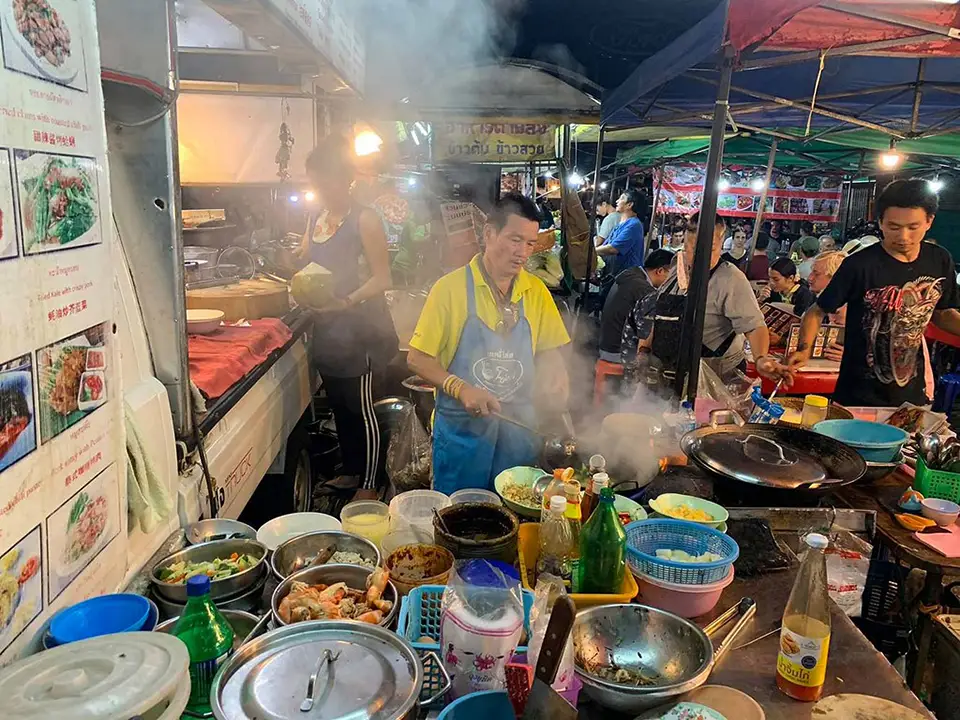
TOne of Chiang Mai’s oldest and most authentic markets, Warorot is where locals shop for clothes, snacks, fresh produce, and home goods. By night, food stalls line the streets with northern Thai favorites such as khao soi, grilled pork skewers, and sticky rice wrapped in banana leaves.
Why Go: It’s a true taste of Chiang Mai life—no tourist gloss, just authentic local flavor.
Near the iconic Tha Pae Gate, these smaller night markets run most nights of the week, offering an easy option for those staying in the Old City. Expect classic street snacks, fruit smoothies, t-shirts, and handicrafts—perfect for a quick evening stroll before or after dinner.
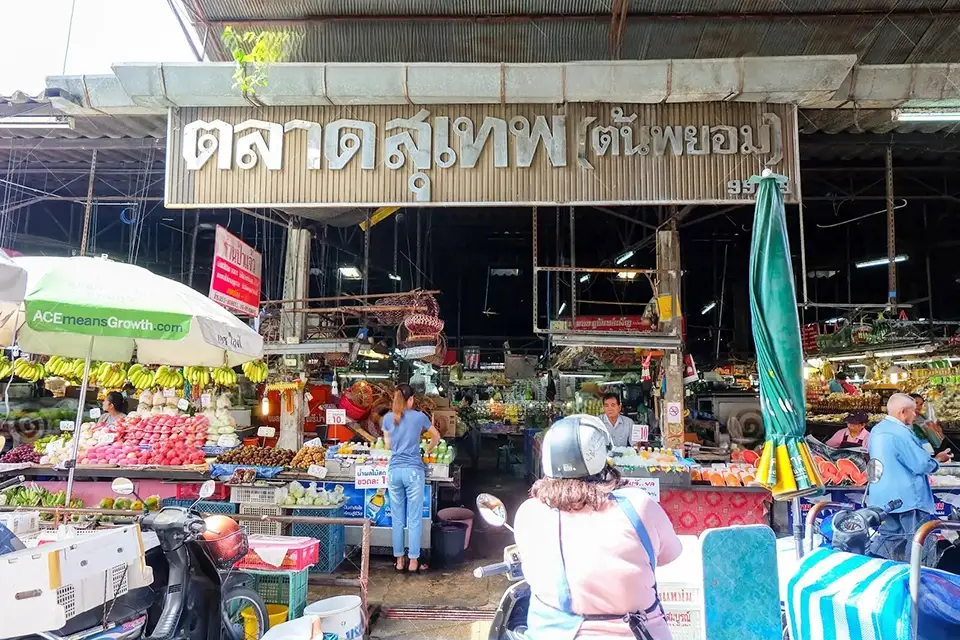
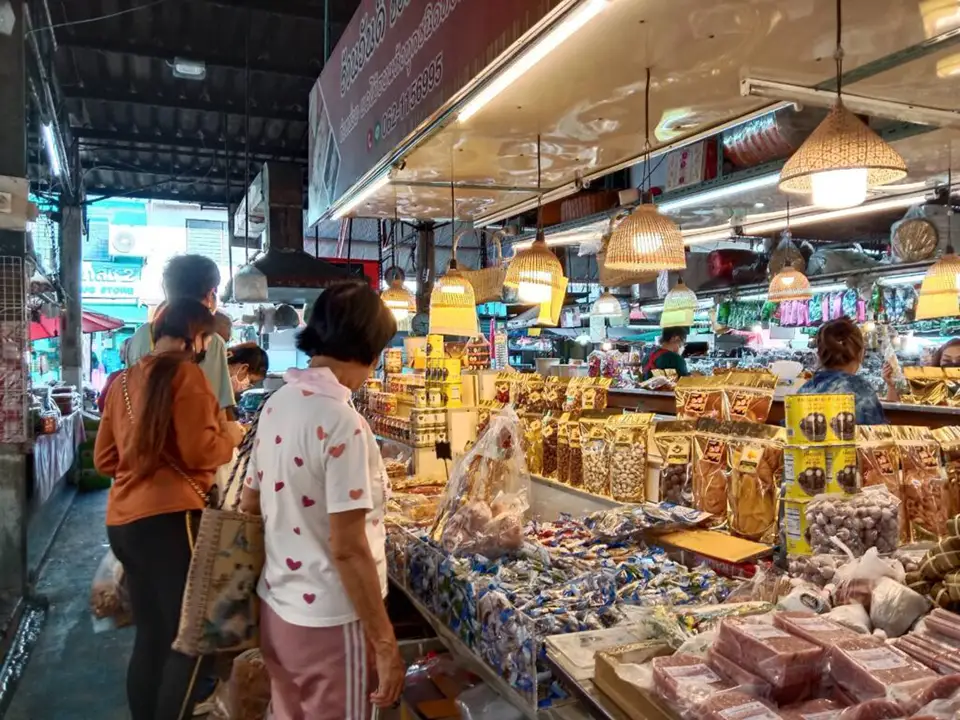
Best known as a morning market, Ton Payom also has evening vendors selling fresh produce, flowers, and ready-to-eat snacks. It’s a less touristy option where you can grab tropical fruit, herbs, and authentic Chiang Mai street food at local prices.
Arrive Early: Beat the biggest crowds and get first pick of unique items.
Bring Cash: Some vendors don’t take cards.
Bargain Politely: A smile goes a long way in Thailand.
FAQ – Chiang Mai Night Markets
Q1: What are the best night markets in Chiang Mai? The most popular are Sunday Walking Street (Ratchadamnoen Road), Saturday Walking Street (Wua Lai Road), Warorot Market (Kad Luang), markets near Tha Pae Gate, and Ton Payom Market. Each offers unique vibes—from handicrafts and street performances to authentic local food.
Q2: What time do Chiang Mai night markets start? Khao Soi Mae Sai is a classic favorite loved by locals and travelers for its balanced, rich broth. It’s a great starting point if you’re tasting Khao Soi for the first time.
Q3: Which is better: Sunday Walking Street or Saturday Walking Street?
Sunday Walking Street: Bigger, busier, and the most famous—great for first-timers.
Saturday Walking Street: Smaller but less overwhelming, with more space to walk and lots of food choices.
If possible, try both!
Q4: Is bargaining allowed at night markets? Yes, bargaining is part of the fun. Vendors expect it, but do it politely and with a smile. A friendly “discount please?” often works.
Q5: Can I pay by card or mobile apps? Most stalls are cash only. Bring Thai baht in small notes. A few vendors near Tha Pae Gate may accept QR payments, but don’t rely on it.
Q6: What should I buy at Chiang Mai’s night markets? Popular items include:
Handmade jewelry & silverware
Thai silk & local textiles
Wooden carvings & handicrafts
Herbal products & natural soaps
Street food specialties like mango sticky rice and northern Thai sausage (sai ua)
Q7. Are the night markets safe? Yes, Chiang Mai is generally very safe. Just be mindful of your belongings in crowded areas, and watch for motorbikes near market entrances.
Q8. How do I get to the night markets?
If you stay in the Old City, most markets are within walking distance.
For Ton Payom or Warorot Market, take a red songthaew (shared taxi), Grab, or Tuk Tuk.
Q9. Is vegetarian or vegan food available? Absolutely! Chiang Mai is famous for vegetarian-friendly cuisine. Look for stalls selling fresh fruit smoothies, veggie spring rolls, grilled corn, and khao soi with tofu.
Q10. What’s the best tip for enjoying night markets?
Go early for less crowds.
Wear comfy shoes.
Bring cash.
Try small portions so you can sample more dishes.
Don’t rush—the charm is in strolling slowly.
Chiang Mai, Made Effortless. From sacred mountains to bustling markets and bowls of unforgettable Khao Soi, Chiang Mai is a city of wonder. We’ll guide you to the most authentic experiences—seamlessly, beautifully, and with expert care.
Discover Chiang Mai: The Must-Visit City in Northern Thailand
Thailand boasts four iconic destinations every traveler should visit: Bangkok, Phuket, Pattaya, and Chiang Mai. While Bangkok dazzles with shopping and nightlife, Phuket and Pattaya are famous for their islands and beaches. Chiang Mai, on the other hand, offers something completely different — cool mountain landscapes, fresh air, and a laid-back charm.Beyond its natural beauty, Chiang Mai is packed with exciting things to do. From sipping coffee in trendy cafés and strolling through creative night markets, to exploring ancient temples and immersing yourself in local culture, the city has a little bit of everything. It’s no surprise that many travelers fall in love with Chiang Mai after just one visit.
The best time to visit Chiang Mai is during the cool season from November to February. During these months, the weather is pleasantly mild with average daytime temperatures around 25°C (77°F), making it perfect for sightseeing, temple visits, and outdoor adventures in the mountains. This period also coincides with some of Chiang Mai’s most famous festivals, including Loy Krathong (Yi Peng Lantern Festival in November), when the sky lights up with thousands of glowing lanterns — a once-in-a-lifetime experience for many travelers.
If you prefer fewer crowds and lower hotel rates, the shoulder seasons in March–May and September–October can be good alternatives. However, do note that March and April are the hottest months, often reaching above 35°C (95°F), while September and October bring occasional rain showers — though the countryside is beautifully lush and green at this time.
The least recommended period is June to August, which is Chiang Mai’s rainy season. While prices are lower and the scenery is vibrant, heavy rains may affect outdoor plans.
How to Get from Chiang Mai Airport to the City Center
Private Chiang Mai Airport Transfer (Hotel Pick-up & Drop-off): BeYourGuides offers reliable private transfers from Chiang Mai Airport to your hotel — whether you’re staying in the city center or on the outskirts. Sit back and relax as our professional driver ensures a safe, comfortable, and hassle-free journey to your destination.
Ride-Sharing Apps: Use Grab, Line Man or Bolt for safe, reliable, fixed-price taxi rides for convenience and cashless payment Tip: Avoid unregistered drivers outside the terminal for safety.
Take a taxi: from the official taxi counter
Should You Rent a Motorcycle in Chiang Mai?
Motorcycles are popular but only rent one if you have experience riding in traffic and carry an international driving permit. Helmets are required. If not, use Ride-sharing cars, red songthaews (shared trucks), or bicycles to get around safely.
When visiting temples in Chiang Mai (and across Thailand), remember to follow these cultural guidelines:
Dress modestly – Cover your shoulders and knees before entering temple grounds.
Remove your shoes – Always take off footwear before stepping inside a temple building.
Respect monks – Avoid physical contact with monks; women should never touch them.
Be mindful – Keep your voice low and act respectfully, especially when taking photos.
Top 10 Things to See and Do in Chiang Mai
Visit the Elephant Nature Park A rescue and rehabilitation center for abused and injured elephants, this sanctuary lets you observe elephants roaming freely, playing, and feeding themselves. Book in advance via BeYourGuides.
Shop at the Night Bazaar Chiang Mai’s Night Bazaar is a shopper’s paradise, offering handicrafts, jewelry, art, and souvenirs. Located along Changklan Road, it’s open nightly from 6 PM–12 AM.
Adventure Activities: Zipline and ATV Drive Looking for a thrill beyond temples and night markets? Chiang Mai is home to some of the best zipline and adventure tours in Thailand. Fly through lush jungles, glide over treetops, and feel the rush of adrenaline with experiences like:
10. Explore Chiang Mai by Motorbike Renting a motorbike is a fun way to discover Chiang Mai and its surrounding countryside. Just remember to drive safely, wear a helmet, and check your rental properly.
Chiang Mai is generally a safe city for travelers, but it’s always wise to take precautions:
Protect your belongings – Petty theft can happen, so keep valuables secure and avoid displaying expensive items.
Be careful with motorbike rentals – Check for existing scratches or damages before renting to avoid scams.
Use trusted transport – Stick to reputable taxis, Grab (ride-hailing app), or pre-booked transfers.
Solo female travelers – Follow standard safety practices, such as avoiding unlit areas late at night.
Know emergency contacts – Save Thailand’s emergency number 191 in your phone.
Get travel insurance – Coverage for health, theft, and cancellations gives extra peace of mind.
How to Get Around in Chiang Mai
Getting around Chiang Mai is easy, with plenty of options to suit every traveler’s budget and style:
Ride-Sharing Apps The most convenient way to travel around the city. Simply book a car or motorbike via the Grab, Line Man or Bolt app for safe, reliable, and affordable rides.
Songthaews (Red Trucks) Chiang Mai’s iconic red trucks act as shared taxis. Just flag one down, tell the driver your destination, and hop in. They’re cheap and fun, though routes may not always be direct.
Tuk-Tuks A classic Thai experience! Tuk-tuks are great for short distances around the Old City. Always agree on the fare before you start your ride.
Motorbike Rental For adventurous travelers, renting a motorbike is a popular way to explore Chiang Mai and its surrounding mountains. Remember to wear a helmet and have an international driving permit. 🔗Related post: Renting a Motorbike in Chiang Mai – Safety Tips and How to Avoid Scams
Bicycle Rental With its flat roads in the Old City and slower pace, Chiang Mai is a bicycle-friendly city. Many hostels and hotels also offer bikes for rent.
Private Transfers If you prefer convenience and comfort, private transfers (like airport pick-up/drop-off) is a stress-free option, especially for exploring attractions outside the city. BeYourGuides offers reliable private transfers from Chiang Mai Airport to your hotel — whether you’re staying in the city center or on the outskirts.
Travel Tip: For first-time visitors, combining Ride-Sharing apps within the city and a motorbike for day trips is the easiest way to explore Chiang Mai hassle-free.
Chiang Mai FAQ – First-Time Visitors’ Questions and Tips
Q1. When is the best time to visit Chiang Mai?
The best season is November to February, when the weather is cool and dry. This is also festival season, including the Yi Peng Lantern Festival in November and the Chiang Mai Flower Festival in February. Book accommodation early during these months, as they’re very popular.
Q2. How do I get from Chiang Mai Airport to the Old City?
Chiang Mai International Airport is only 15–20 minutes from downtown.
Taxi from the official counter costs around 150–200 THB.
Ride-Sharing app is convenient and cashless. Avoid unregistered drivers outside the airport for safety.
Q3. Is Chiang Mai safe for travelers?
Yes, Chiang Mai is considered one of the safest cities in Thailand. Violent crime against tourists is rare.
Emergency number in Thailand: 191.
The main concern is petty theft, so keep your belongings secure.
Solo female travelers generally feel safe but should follow standard precautions (e.g., don’t walk alone in unlit areas at night).
Q4. Should I rent a scooter or motorbike?
Scooter rentals are common (100–500 THB per day), but only for those with experience and an international license. Always wear a helmet. If you’re not confident, use:
Songthaew (red shared trucks) – ~40 THB
RTC Smart City Bus – 20 THB with free Wi-Fi
Ride-sharing app cars – safe and easy for short rides
Q5. What local food should I try in Chiang Mai?
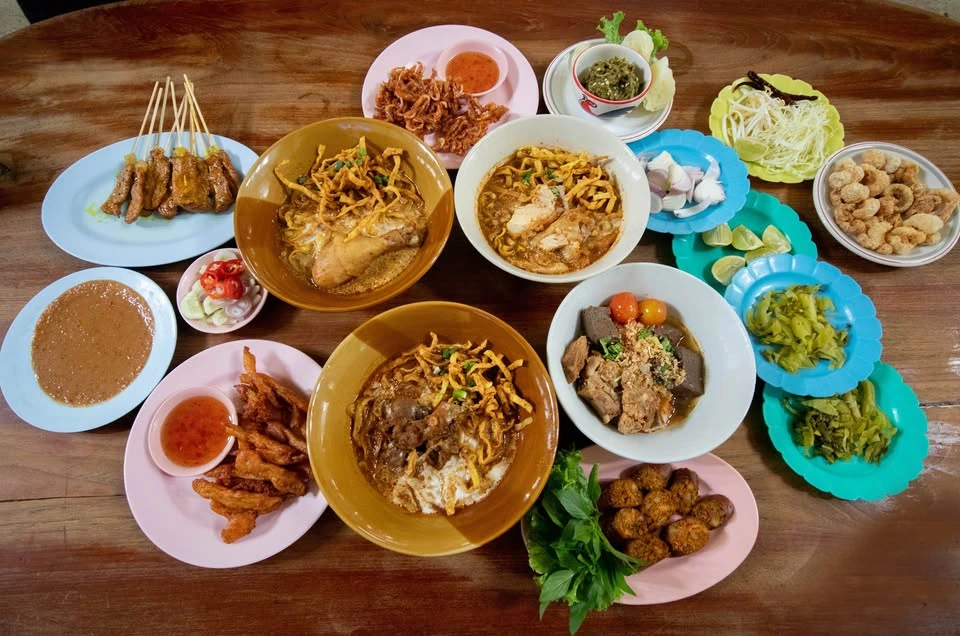
Chiang Mai is a foodie’s paradise. Must-try dishes include:
Khao Soi (coconut curry noodle soup)
Sai Ua (spicy Northern Thai sausage)
Nam Prik Ong / Nam Prik Noom (Northern chili dips)
Seasonal mango sticky rice
Q6. What are the must-see attractions in Chiang Mai?
Top 5 things to do for first-timers:
Elephant Nature Park – ethical elephant sanctuary
Temples Tour – Wat Chiang Man, Wat Phra Singh, Wat Chedi Luang
Doi Suthep Temple – iconic hilltop temple with city views
Night Bazaar – shop handicrafts and local food
Yi Peng Lantern Festival – magical November festival
Q7. What should I wear when visiting temples?
Shoulders and knees must be covered
Remove shoes before entering temple halls
Avoid loud behavior and posing in disrespectful ways
Women should not touch monks
Q8. Is Chiang Mai good for solo travelers?
Absolutely. With friendly locals, a large backpacker community, and plenty of cafés and coworking spaces, Chiang Mai is a top destination for solo travelers and digital nomads.
Q9. How can I stay safe from scams?
Motorbike rental scam: document scratches before renting.
Taxi overcharging: use Ride-sharing apps or official counters.
Markets: bargain politely, but don’t feel pressured.
Q10. Do I need travel insurance for Chiang Mai?
Yes. Travel insurance is highly recommended. It protects you from unexpected costs related to illness, accidents, theft, or cancellations.
Experience the Best of Chiang Mai, Simplified. From sacred mountains to vibrant markets and unforgettable food, Chiang Mai offers a world of adventure. Let us connect you with the most authentic experiences in a seamless, expertly guided journey.
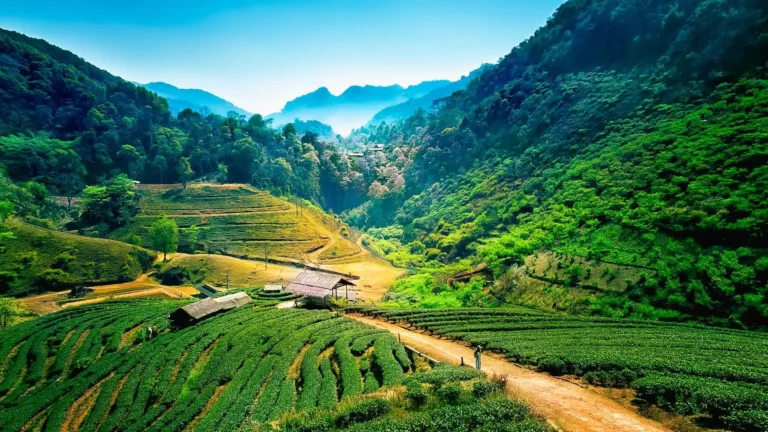
If you’re looking for a place where time slows down, the air is fresh, and every view is postcard-perfect, Mae Rim is calling your name. Just a short drive from Chiang Mai, this area is home to cafés surrounded by green rice fields and misty mountains – the kind of setting that makes you want to linger all day.
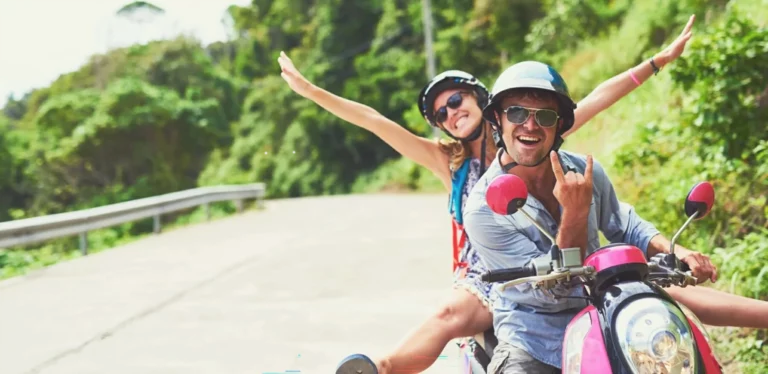
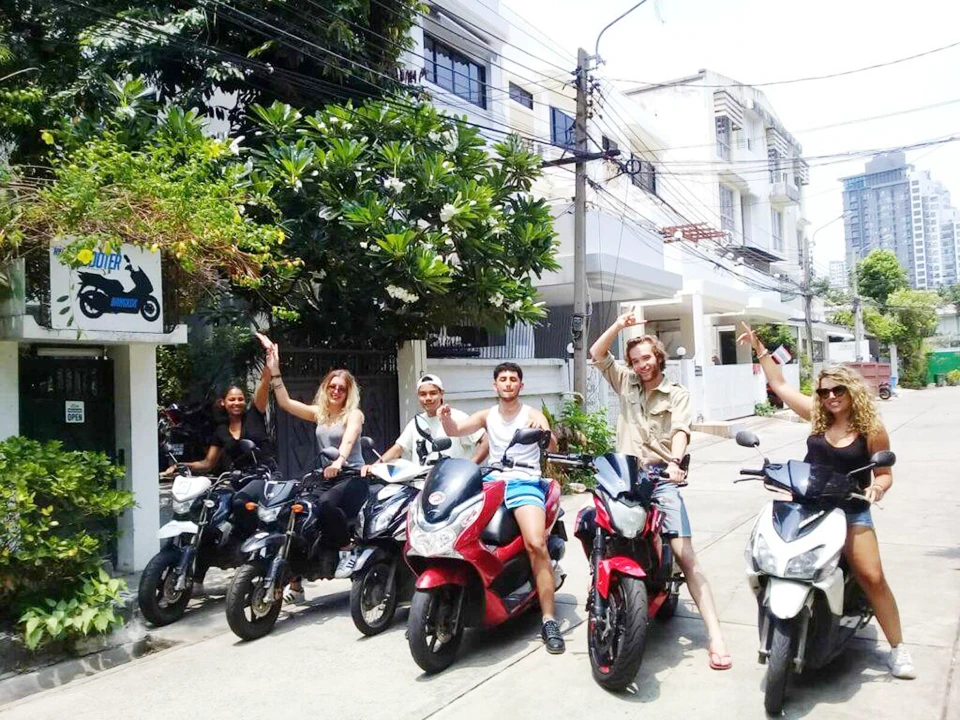
Chiang Mai is a city where modern comforts meet ancient culture — and the best way to truly experience it is on two wheels. While taxis, tuk-tuks, and ride-hailing apps are available, renting a motorbike gives you the freedom to explore at your own pace.
Here are the main reasons why travelers choose motorbike rental in Chiang Mai:
Freedom to Explore Beyond the City Walls – From the famous Doi Suthep Temple overlooking the city to the mountain roads of Mae Sa Valley, a motorbike lets you reach hidden gems that buses or taxis rarely cover.
Cost-Effective Transportation – With daily rentals starting at 150–300 THB, it’s cheaper than taking multiple Grab rides or tuk-tuks in one day.
Flexibility for Day Trips – Popular spots like Pai, Doi Inthanon National Park, or the Mae Hong Son Loop are easier to explore when you control your own schedule.
Immersive Local Experience – Riding through Chiang Mai’s Old City, night markets, and countryside gives you a more authentic feel of northern Thailand.
Adventure Vibes – For many backpackers and digital nomads, renting a motorbike is not just about convenience — it’s part of the adventure.
Requirements for Renting a Motorbike in Chiang Mai
Before signing any rental agreement, make sure you meet these Chiang Mai motorbike rental requirements:
Minimum Age: You must be at least 18 years old.
Valid License: A motorcycle license from your home country and an International Driving Permit (IDP) are required.
Fines for Riding Without a License: Police in Chiang Mai frequently check documents. Riding without a valid license can result in fines of 500–1,000 THB.
Deposit Rules: Most rental shops will ask for a passport copy and a cash deposit between 1,000–5,000 THB.
Rental Costs: Daily rates are around 150–300 THB. Weekly or monthly rentals usually come with good discounts.
Safety Tips for Riding a Motorbike in Chiang Mai
Motorbike accidents are common among tourists in Thailand, but you can minimize risks by following these Chiang Mai motorbike safety tips:
Always wear a helmet – It’s the law, and it could save your life.
Drive on the left – Thailand follows left-hand traffic.
Follow local traffic laws – Red lights and speed limits are taken seriously.
Carry your license and insurance – Police checkpoints are common.
Avoid extremely cheap rentals – A very low price might mean poor bike maintenance.
Be careful on one-way streets – Especially in the Old City.
Watch for road hazards – Potholes, loose gravel, and stray animals are common.
Inspect the bike before renting – Check brakes, lights, horn, and tires. Take photos for proof.
Travel Responsibly
When visiting natural spots like rice-field cafés, please:
Don’t litter – Take your trash with you.
Don’t pick flowers or plants – Leave nature as it is.
Respect locals’ privacy – Some rice fields belong to local farmers.
By traveling responsibly, we help preserve Mae Rim’s beauty for everyone.
How to Avoid Motorbike Rental Scams in Chiang Mai
While most rental companies are honest, there are occasional scams. Protect yourself by:
Choosing reputable rental shops with good Google reviews.
Never leave your original passport – Only give a copy.
Documenting bike condition before riding.
Clarifying damage policies – Some shops overcharge for small scratches.
Avoiding street-side rentals with no signage or contact info.
FAQs about Rice-Field View Cafés in Mae Rim
Q1: Do I need a license to rent a motorbike in Chiang Mai? Yes. You need a valid motorcycle license from your home country plus an International Driving Permit (IDP). Without it, you risk fines of 500–1,000 THB if stopped by police.
Q2: Can I rent a scooter in Chiang Mai if I’m under 18? No. The legal minimum age for renting and driving a motorbike in Thailand is 18 years old.
Q3: How much does it cost to rent a motorbike in Chiang Mai? Daily rentals cost 150–300 THB depending on the model. Weekly and monthly rentals often come with discounted rates.
Q4: What deposit do I need to leave when renting a motorbike? Most rental shops require a cash deposit (1,000–5,000 THB) and a passport copy. Avoid shops that insist on keeping your original passport.
Q5: Is it safe to rent a motorbike in Chiang Mai? Yes, if you drive carefully and follow the rules. Always wear a helmet, drive on the left, carry your license, and avoid very cheap or poorly maintained bikes.
Q6: Do police in Chiang Mai check motorbike riders? Yes. Police checkpoints are common, especially around the Old City. Always carry your license, insurance, and International Driving Permit.
Q7: Do police in Chiang Mai check motorbiWhat happens if I damage the rental motorbike?ke riders? You’ll be charged for repairs. That’s why it’s important to inspect the bike, take photos, and clarify the rental policy before signing.
Q8: Can two people ride one scooter in Chiang Mai? Yes, it’s common for two people to ride together. Both the driver and passenger must wear helmets.
Q9: Is motorbike insurance included in the rental? Some shops include basic insurance, but many do not. Always ask what coverage is provided and consider travel insurance that covers motorbike accidents.
Q10: What are the best areas to explore by motorbike in Chiang Mai? Popular routes include Doi Suthep Temple, Huay Tung Tao Lake, Mae Sa Waterfall, Doi Inthanon National Park, and the famous Mae Hong Son Loop.
Final Thoughts Renting a motorbike in Chiang Mai can be safe, affordable, and an amazing way to explore the city — as long as you ride responsibly and follow the rules. Respect local traffic laws, wear a helmet, and choose a reputable rental shop to ensure your trip is smooth and scam-free.
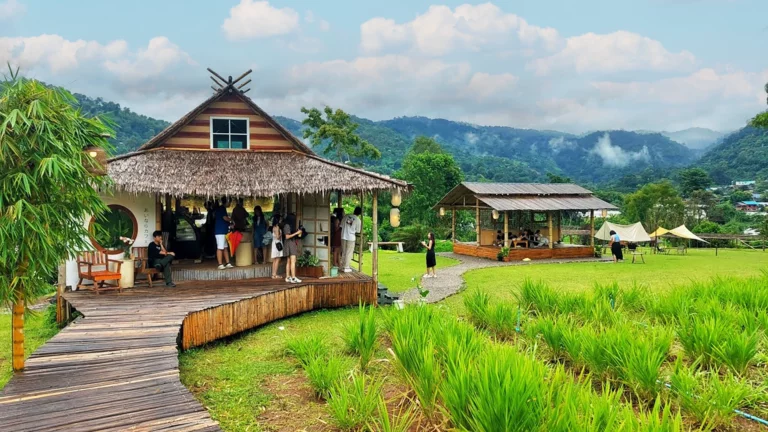
Escape the bustle of Chiang Mai city and unwind in Mae Rim’s rice-field cafés. The highlight: Ai Nara Café, a Japanese-inspired spot with a charming wooden hut set in the middle of lush rice fields. Open daily from 9:00 AM – 6:00 PM, this peaceful café is reached by walking across a wooden bridge over the paddies. The best time to visit is early morning for the mist or late afternoon for golden-hour views. Other must-visit cafés in the area include Jungle De Café and Pong Yaeng Ang Doi, both offering breathtaking mountain views. Getting here is easy – rent a motorbike or car from Chiang Mai city, just 30–40 minutes away. And remember: travel responsibly – don’t litter, pick flowers, or disturb the wildlife.
If you’re looking for a place where time slows down, the air is fresh, and every view is postcard-perfect, Mae Rim is calling your name. Just a short drive from Chiang Mai, this area is home to cafés surrounded by green rice fields and misty mountains – the kind of setting that makes you want to linger all day.
Ai Nara Café – A Japanese Vibe in the Heart of Rice Fields
One of Mae Rim’s hidden gems, Ai Nara Café blends Japanese-inspired architecture with Northern Thai countryside charm. Imagine sipping a cold coffee while sitting in a small wooden hut right in the middle of emerald rice paddies. To get there, you cross a narrow wooden bridge, with the gentle swaying of the stalks around you.
Opening Hours: 9:00 AM – 6:00 PM
Best Time to Visit:
Early Morning: Soft mist and cool air
Late Afternoon: Golden sunset glow over the fields
The café serves specialty coffees, matcha drinks, and light snacks. It’s a perfect spot for couples, friends, or solo travelers seeking peace and beautiful photo opportunities.
While Ai Nara Café is the star, Mae Rim has more scenic gems worth visiting:
Jungle De Café – Overlooking a lush green valley with a suspension bridge for photo lovers. Great for coffee and Thai desserts.
Pong Yaeng Ang Doi – A cozy wooden café with panoramic mountain views, best enjoyed with a warm cup of tea.
These spots are within a short drive of each other, so you can make it a café-hopping day.
How to Get There
Motorbike rental: 250–350 THB/day
Car rental: 800–1,200 THB/day
Tip: Roads are winding in some parts, so drive carefully and take your time.
From Chiang Mai Old City, Mae Rim is just 30–40 minutes away by motorbike or car. The most flexible way to explore is:
Travel Responsibly
When visiting natural spots like rice-field cafés, please:
Don’t litter – Take your trash with you.
Don’t pick flowers or plants – Leave nature as it is.
Respect locals’ privacy – Some rice fields belong to local farmers.
By traveling responsibly, we help preserve Mae Rim’s beauty for everyone.
FAQs about Rice-Field View Cafés in Mae Rim
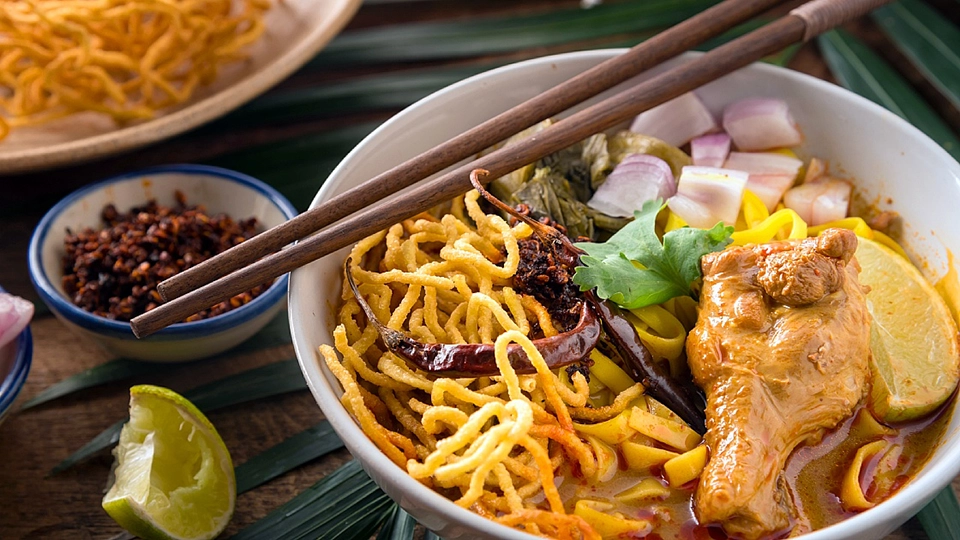
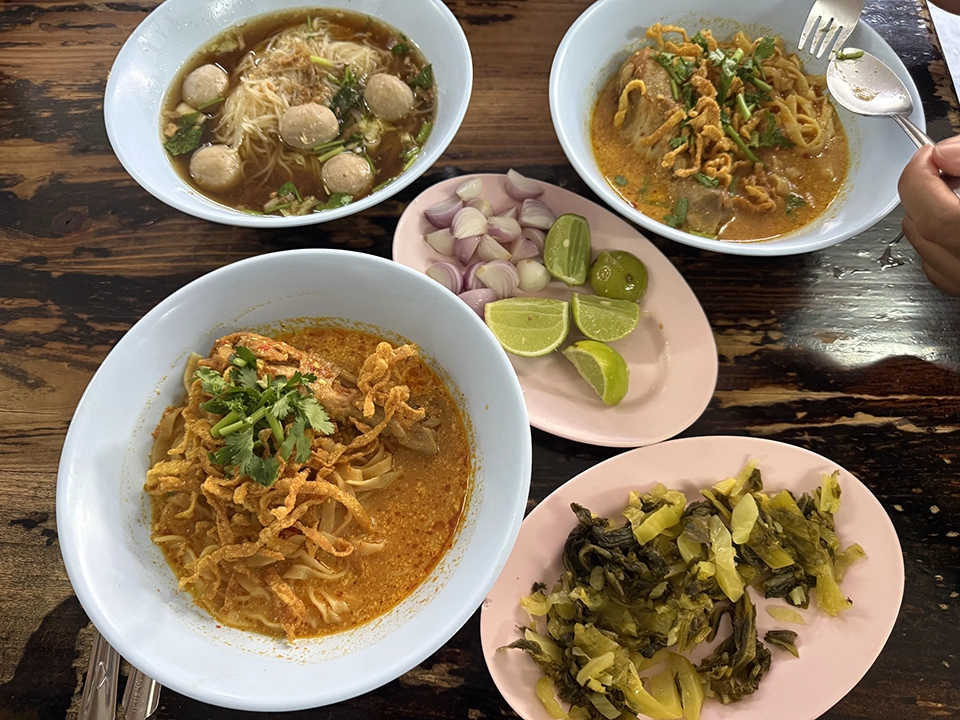
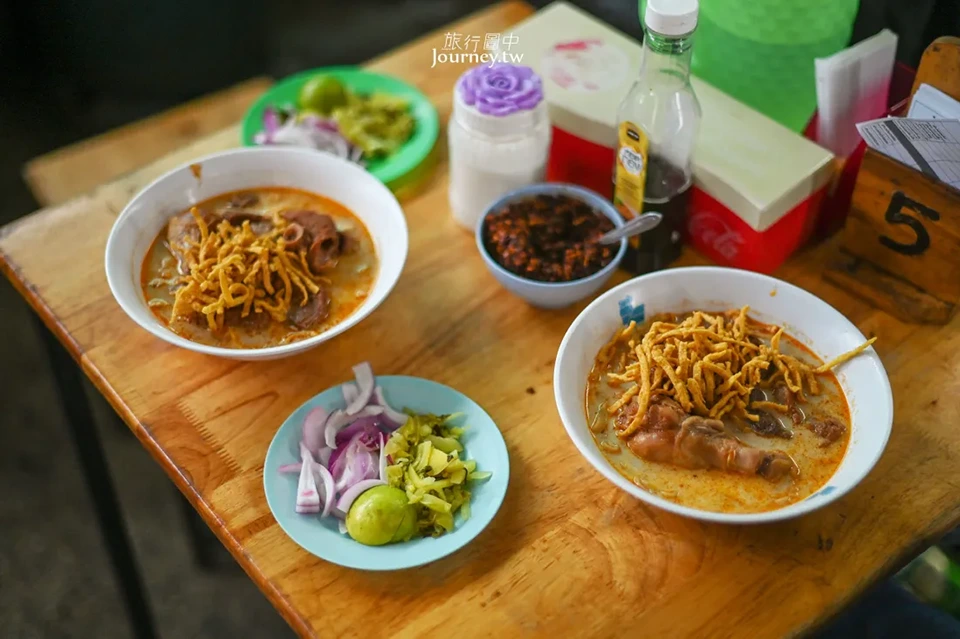
Q1: What is Khao Soi? Khao Soi is Northern Thailand’s signature noodle dish. It features egg noodles in a creamy coconut curry broth, topped with crispy fried noodles. Traditional condiments include pickled mustard greens, lime, shallots, and chili flakes.
Q2: Where can I try the most authentic Khao Soi in Chiang Mai? Khao Soi Mae Sai is a classic favorite loved by locals and travelers for its balanced, rich broth. It’s a great starting point if you’re tasting Khao Soi for the first time.
Q3: Is there a modern or Instagram-worthy Khao Soi place? Yes! In Nimmanhaemin, you’ll find a chic café putting a modern spin on Khao Soi – artisanal noodles, fusion toppings, and stylish plating. Perfect for digital nomads and foodie travelers.
Q4: What’s the best time to eat Khao Soi? Locals enjoy Khao Soi mostly at lunch or early afternoons. Some shops sell out fast, so going before noon is recommended.
Q5: Is Khao Soi always spicy? The base is mildly spiced, but you can adjust the heat with chili oil or flakes provided at the table.
Q6: Can I get vegetarian Khao Soi in Chiang Mai? Yes, some restaurants (especially modern cafés in Nimman) offer vegetarian or even vegan Khao Soi, substituting tofu or mushrooms for meat.
Chiang Mai, Made Simple. From misty mountains and vibrant night markets to steaming bowls of soul-warming Khao Soi, Chiang Mai is a city that captivates at every turn. Let us lead you to the most authentic moments—effortlessly, beautifully, and with care you can trust.
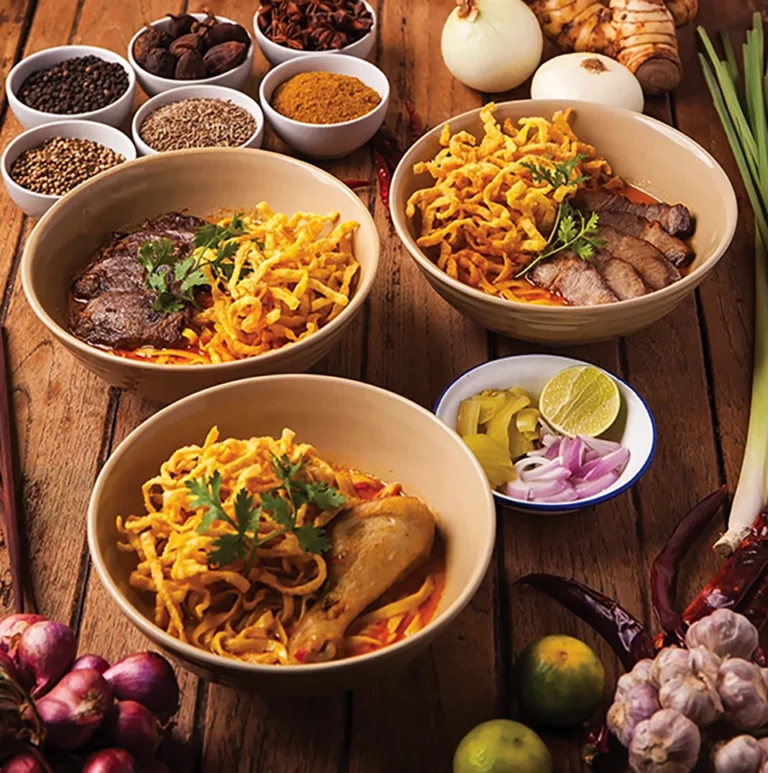
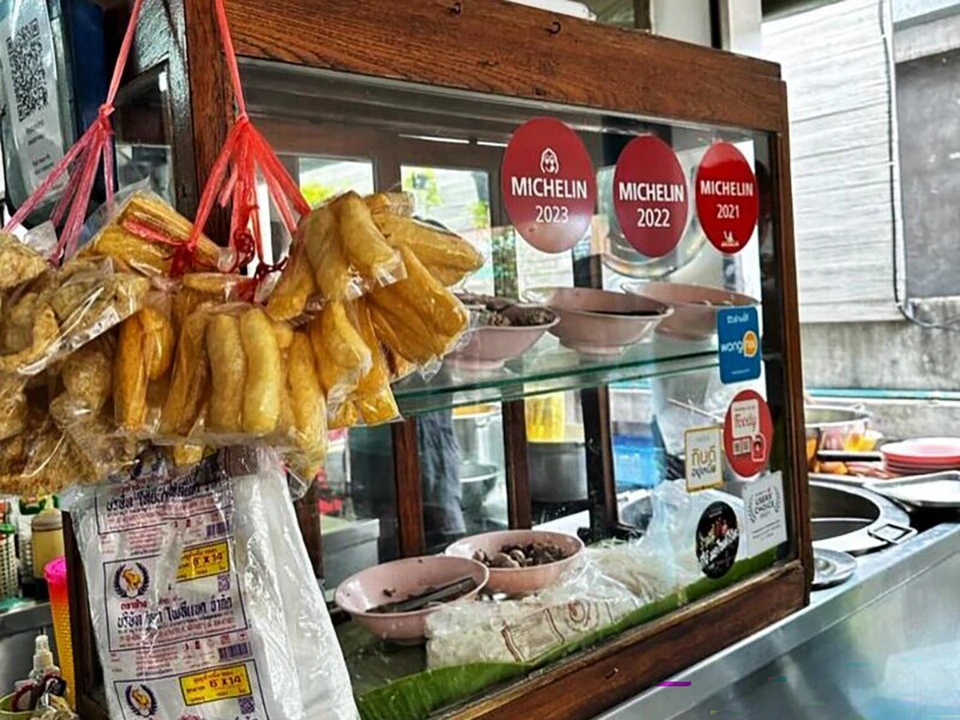
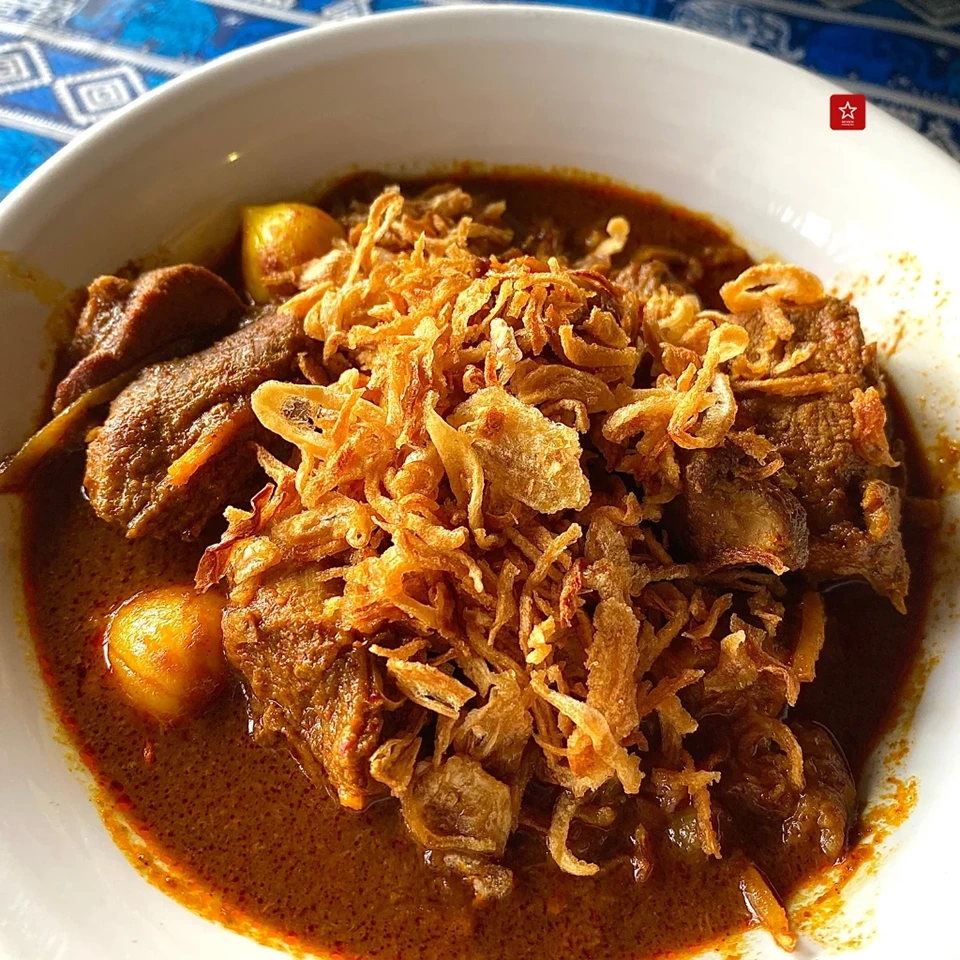
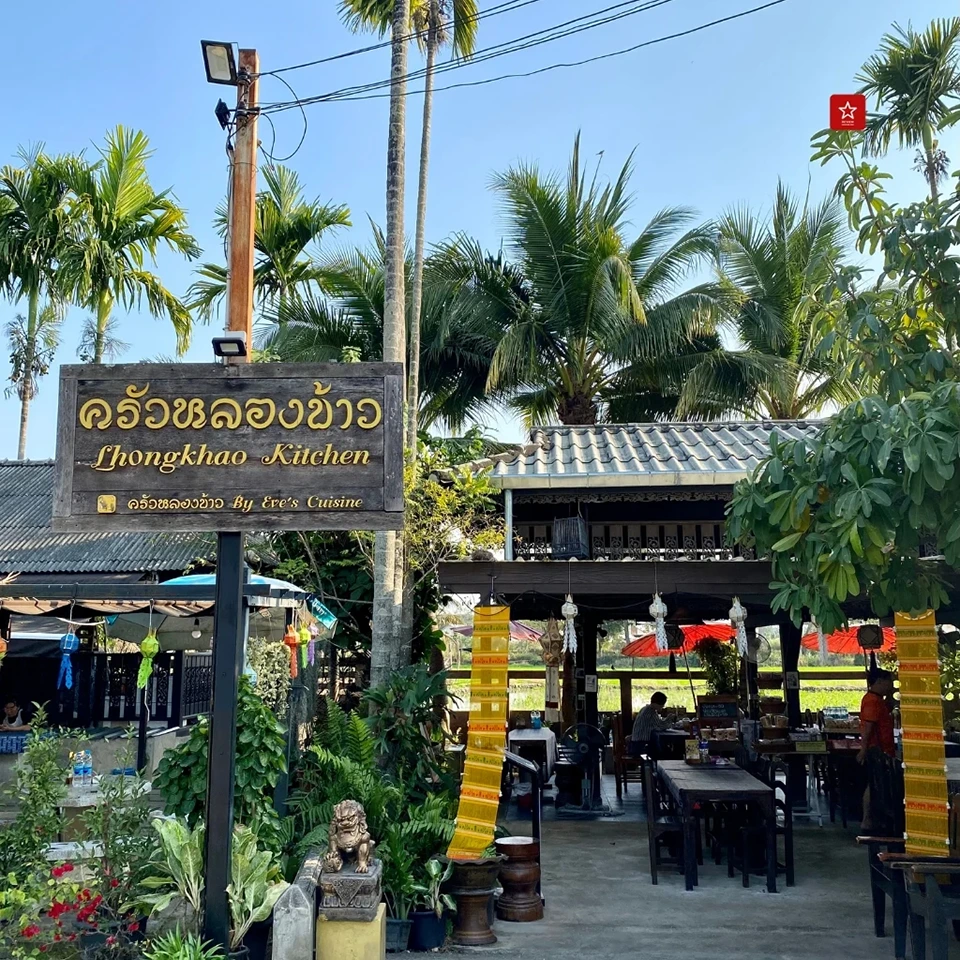
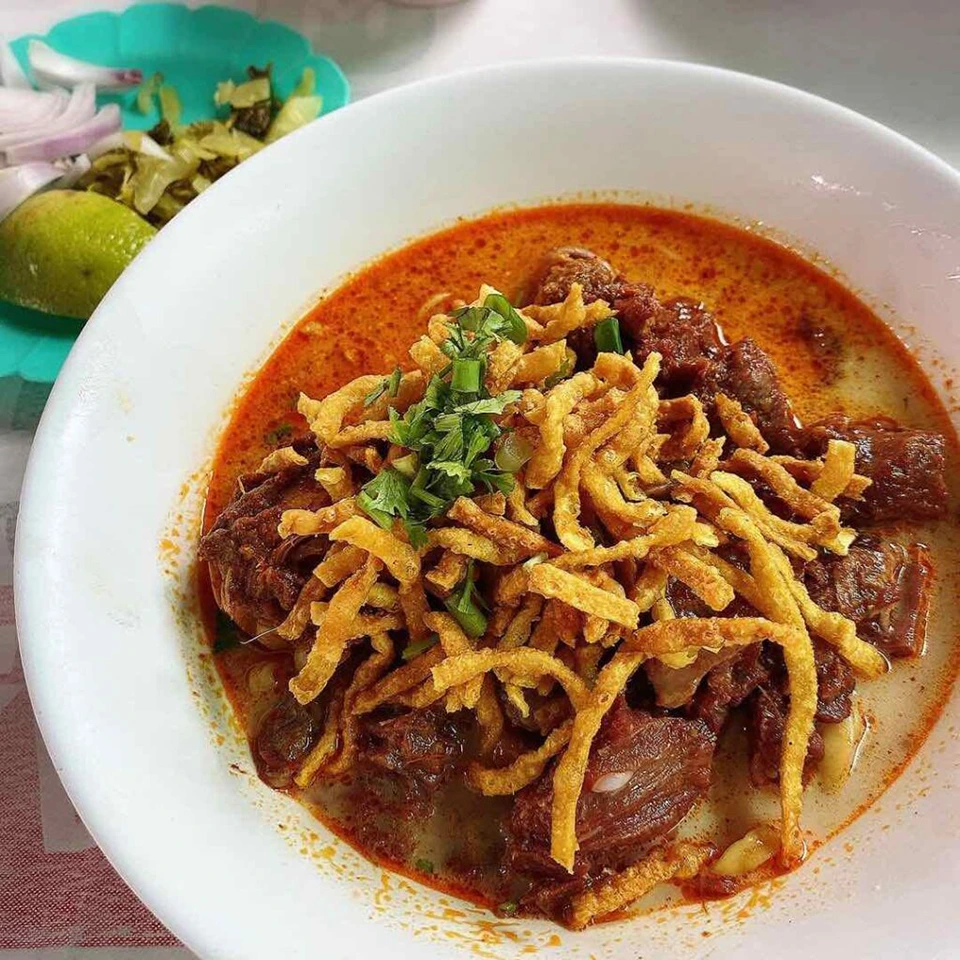
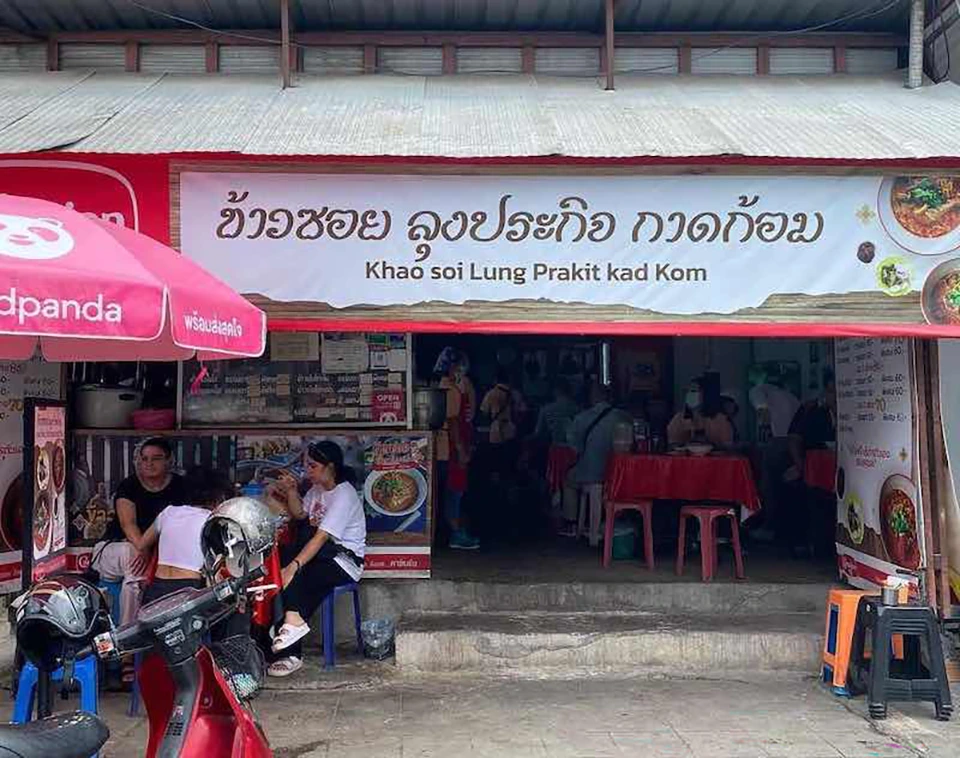
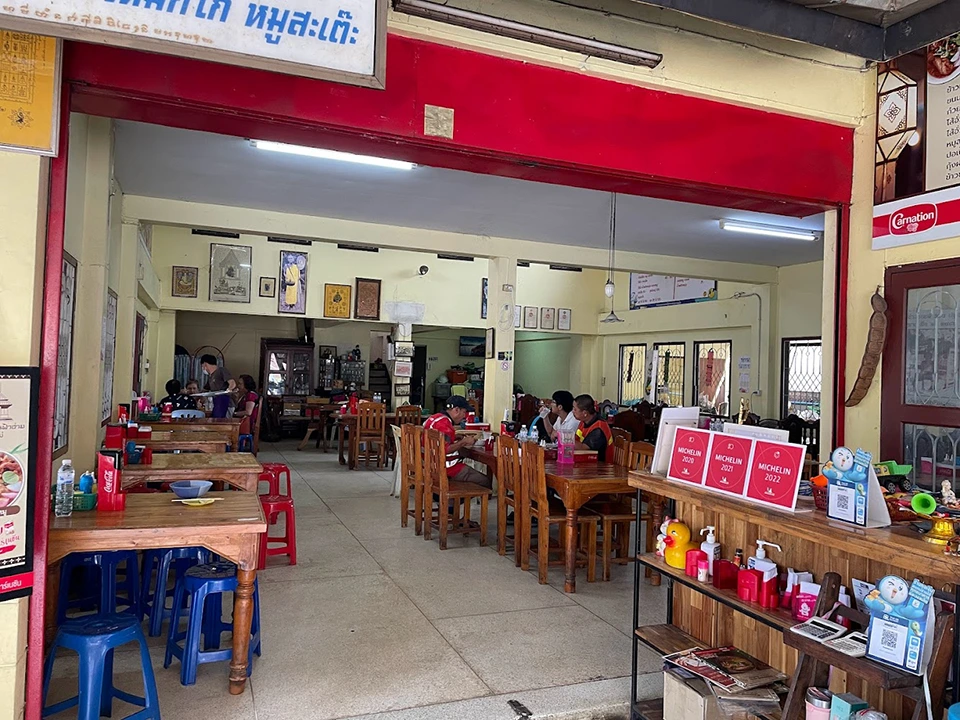
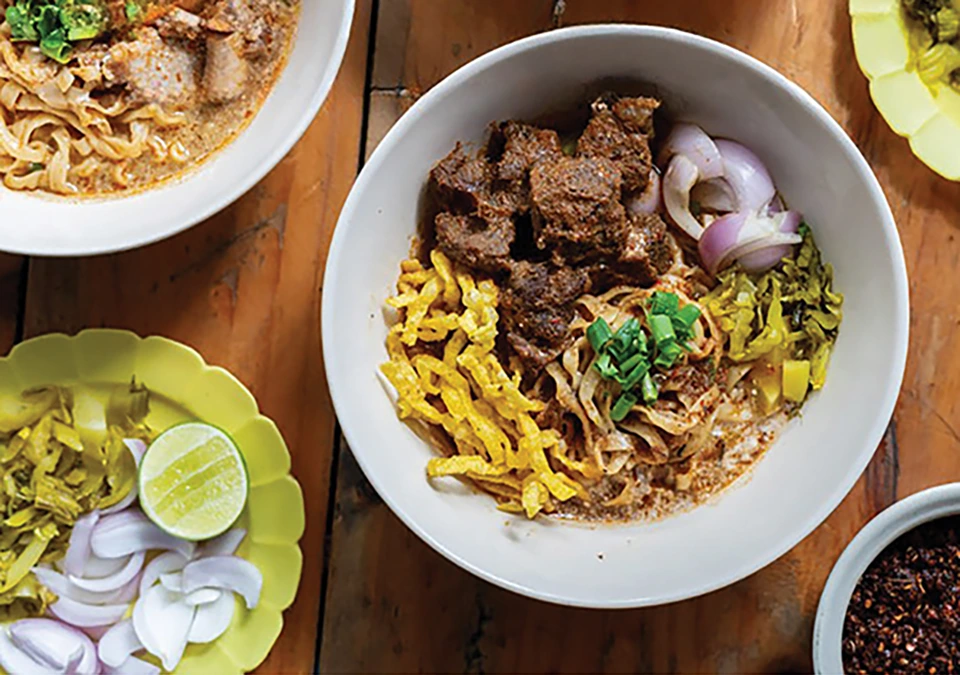
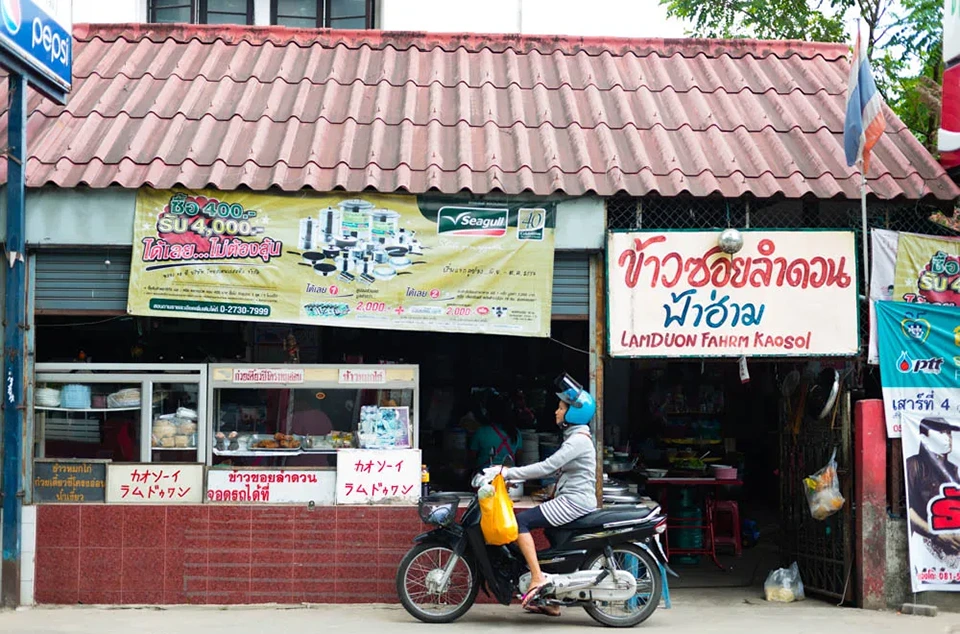
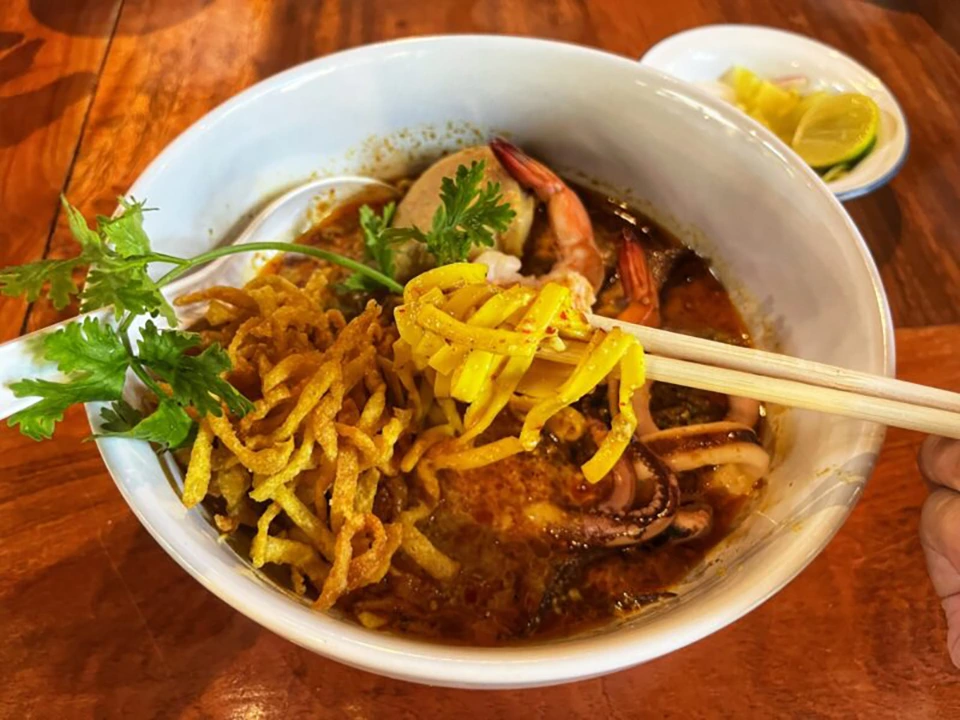
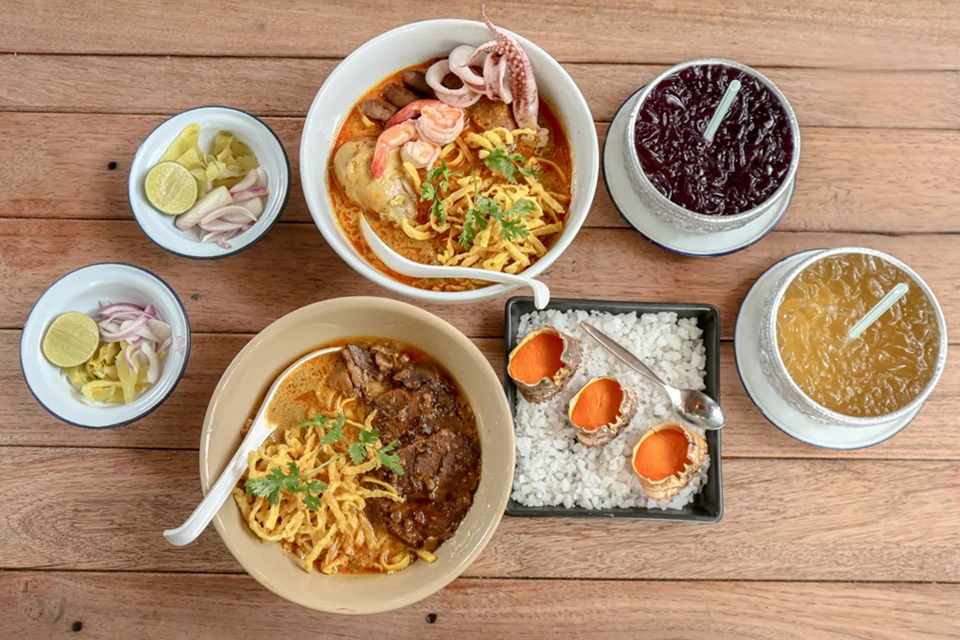
Khao Soi is northern Thailand’s signature noodle dish – a comforting bowl of creamy coconut curry, tender meat, and crispy noodles on top. In Chiang Mai, you’ll find legendary spots serving this flavorful classic. Highlights include Khao Soi Mae Sai with its rich coconut broth and perfectly crisp noodles; Krua Lawng Khao, offering thick, creamy soup with tender chicken in a cosy setting; Khao Soi Lung Prakit Kad Kom, known for its aromatic broth, crispy noodles, and tangy pickled greens; Khao Soi Lamduan Faham, a Michelin-rated gem with melt-in-your-mouth beef; and a hidden Nimman joint loved by locals.
For the perfect bowl, don’t forget to add pickled mustard greens, sliced shallots, and chili flakes – they balance the richness with a touch of spice and tang.
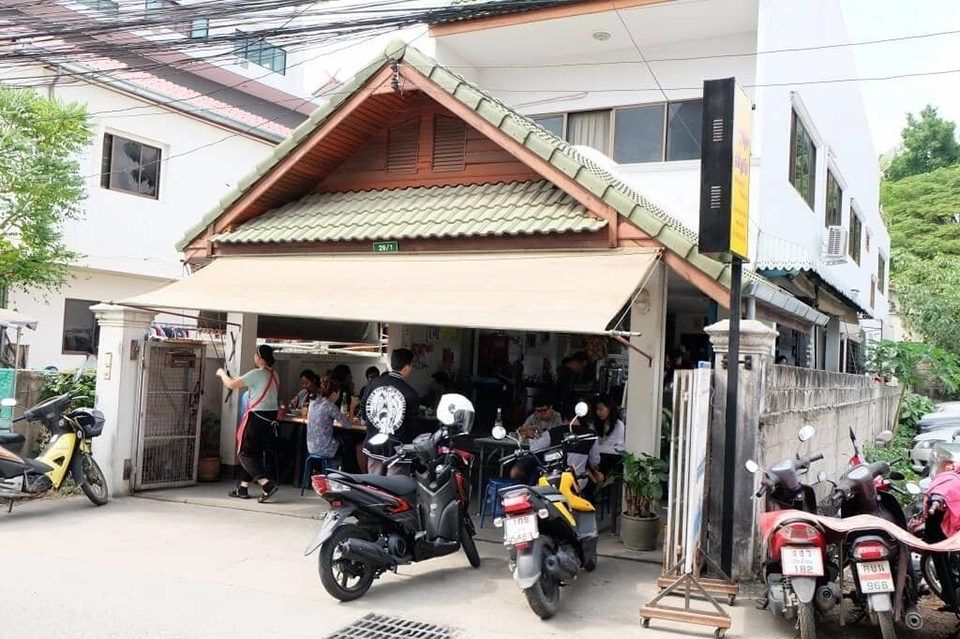
Located in the bustling Ratchaphuek Road, Chang Phueak area, Khao Soi Mae Sai is a must for anyone seeking authentic northern flavors. The broth is rich but not too heavy, combining creamy coconut milk with fragrant curry spices. The chicken leg is tender, and the crispy noodles on top add the perfect crunch. Best for: First-time visitors who want a balanced, classic taste. Pro tip: Add extra chili oil if you like a spicy kick.
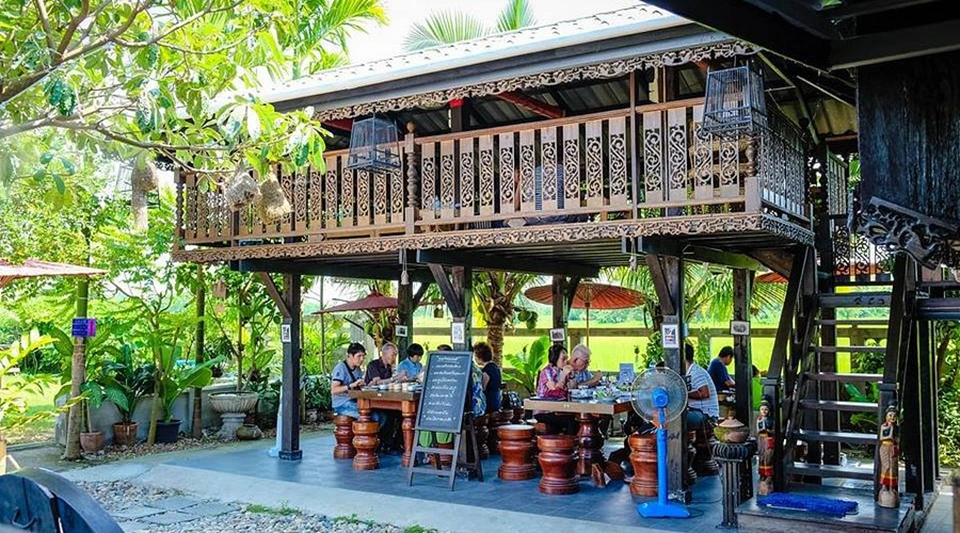
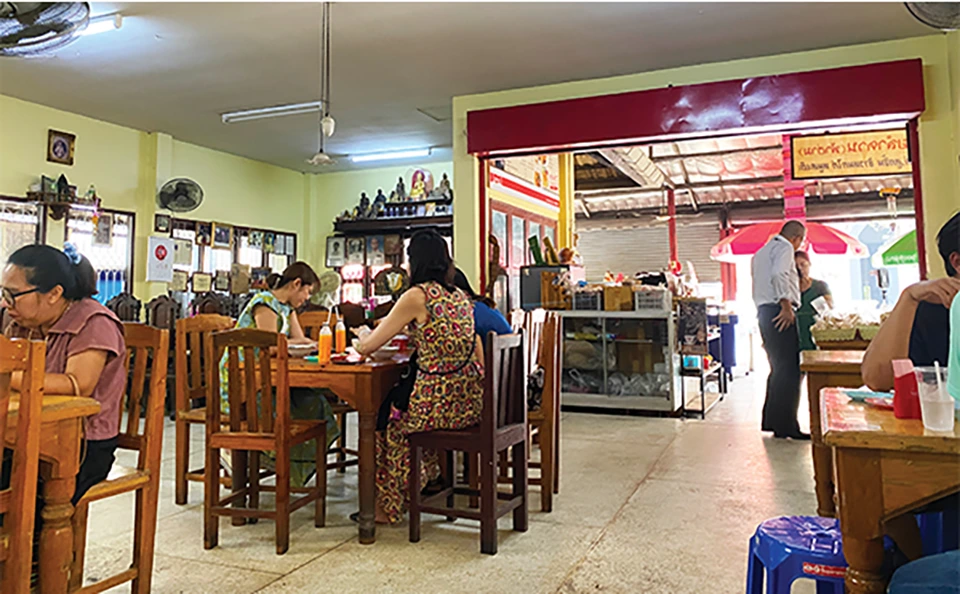
Nestled in a cosy wooden house, Krua Lawng Khao serves a thicker, creamier version of Khao Soi. The chicken is slow-cooked until it falls off the bone, and the aromatic curry fills the air the moment you walk in.
Best for: Rainy afternoons and laid-back lunches. Pro tip: Order their iced Thai tea for the perfect pairing.
Address: 18 Mu 2, Soi Sukhaphiban Mae Rim, Ban Duang Di 1, Rim Tai, Mae Rim, Chiang Mai, 50180, Thailand 📍 View Krua Lawng Khao on google
3. Khao Soi Lung Prakit Kad Kom – Aromatic and Tangy
This local favorite is famous for its well-balanced broth – slightly lighter, yet deeply aromatic. The tang from pickled mustard greens complements the crispy noodles and tender meat beautifully. Best for: Foodies who love layering flavors with condiments. Pro tip: Try both chicken and beef versions for a taste comparison.
4. Khao Soi Lamduan Faham – Standout Beef Khao Soi
One of their standout dishes is the beef Khao Soi, featuring tender, fall-off-the-bone drumsticks that are bursting with flavour. Each type of meat is cooked in its own pot, enhancing the depth and richness of the taste. The curry is thick, creamy, and gently spiced, while a special touch here is that the coconut milk is added at the very last moment — meaning you can request more or less to suit your preference.
Best for: Travelers ticking off Michelin-recommended spots. Pro tip: Come early to avoid the lunchtime rush.
Address: 352/22 Before Wat Faham, Charoen Rat Road, Wat Ket Subdistrict, Mueang Chiang Mai District, Chiang Mai Thailand 📍 View Khao Soi Lamduan Faham on google map
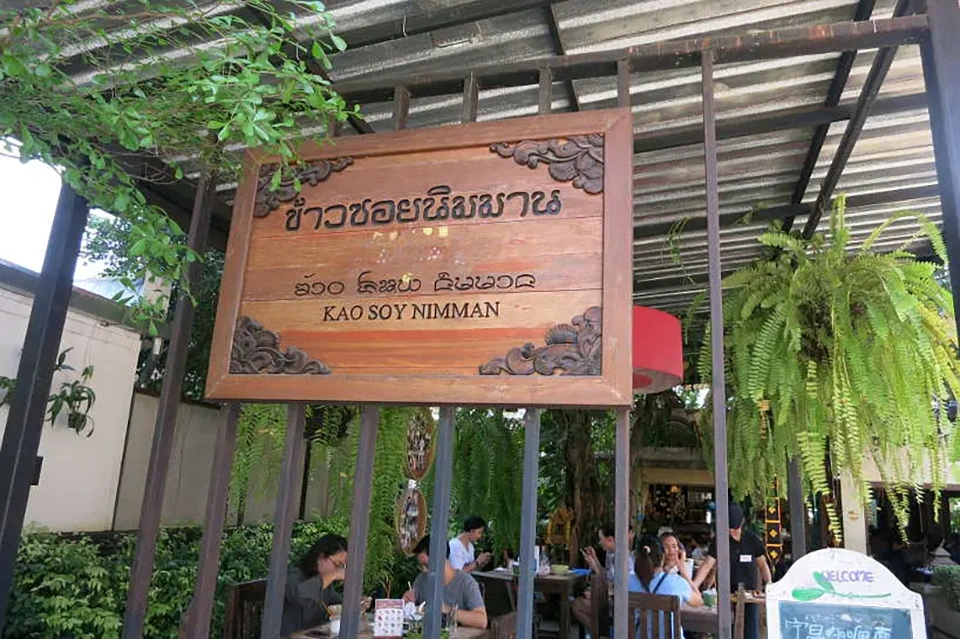
5. Nimman’s Hidden Gem – Modern Twist
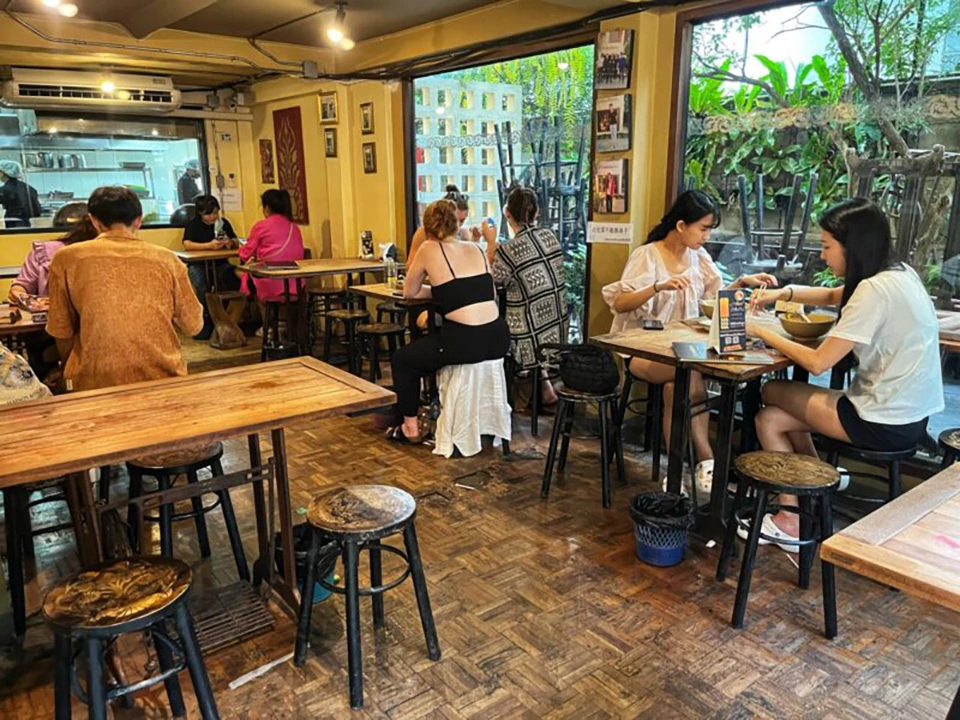
In the trendy Nimmanhaemin neighborhood, you’ll find a chic café putting a modern spin on Khao Soi. Think artisanal noodles, fusion toppings, and stylish presentation – perfect for Instagram. Best for: Digital nomads and travelers looking for a unique dining experience. Pro tip: Pair your bowl with a local craft coffee.
Pickled mustard greens – adds tang to balance the creaminess.
Sliced shallots – gives a mild sweetness.
Chili flakes or chili oil – for those who love a spicy punch.
Lime wedges – brightens the whole dish.
FAQ – Khao Soi in Chiang Mai
Q1: What is Khao Soi? Khao Soi is Northern Thailand’s signature noodle dish. It features egg noodles in a creamy coconut curry broth, topped with crispy fried noodles. Traditional condiments include pickled mustard greens, lime, shallots, and chili flakes.
Q2: Where can I try the most authentic Khao Soi in Chiang Mai? Khao Soi Mae Sai is a classic favorite loved by locals and travelers for its balanced, rich broth. It’s a great starting point if you’re tasting Khao Soi for the first time.
Q3: Is there a modern or Instagram-worthy Khao Soi place? Yes! In Nimmanhaemin, you’ll find a chic café putting a modern spin on Khao Soi – artisanal noodles, fusion toppings, and stylish plating. Perfect for digital nomads and foodie travelers.
Q4: What’s the best time to eat Khao Soi? Locals enjoy Khao Soi mostly at lunch or early afternoons. Some shops sell out fast, so going before noon is recommended.
Q5: Is Khao Soi always spicy? The base is mildly spiced, but you can adjust the heat with chili oil or flakes provided at the table.
Q6: Can I get vegetarian Khao Soi in Chiang Mai? Yes, some restaurants (especially modern cafés in Nimman) offer vegetarian or even vegan Khao Soi, substituting tofu or mushrooms for meat.
Chiang Mai, Made Effortless. From sacred mountains to bustling markets and bowls of unforgettable Khao Soi, Chiang Mai is a city of wonder. We’ll guide you to the most authentic experiences—seamlessly, beautifully, and with expert care.
Chiang Mai captivates with its seamless blend of ancient Lanna heritage, lush mountain landscapes, and vibrant culture. But with hundreds of options vying for your attention, how do you decide what to see and do?
As local experts at BeYourGuides, we’ve curated the definitive list of 10 essential Chiang Mai experiences. This isn’t just a checklist; it’s a strategic guide organized by theme, helping you discover the true magic of Northern Thailand’s cultural capital, from sacred mountain temples to hands-on local adventures.
Part 1: The Sacred & Ancient (Temples & City Sights)
These are the historical and spiritual pillars of Chiang Mai, located in and around the Old City.
1. Wat Phra That Doi Suthep
No trip to Chiang Mai is complete without visiting its most sacred temple, perched 1,073 meters above the city. The panoramic views are breathtaking, but the true highlight is the shimmering golden chedi at its heart.
Insider Tip: Arrive at dawn (around 6:00 AM) to climb the 306-step Naga staircase alongside monks beginning their morning chants. The experience is unforgettable and you’ll beat the crowds.
Located in the heart of the Old City, this temple is dominated by the ruins of a massive 600-year-old chedi that once housed the Emerald Buddha. Its weathered, majestic presence is a powerful link to the Lanna Kingdom’s past.
Insider Tip: Don’t miss the “Monk Chat” (daily, roughly 05:00 -07:00 pm.), where you can sit with young monks and ask them about their lives and Buddhism—a truly unique cultural exchange.
3. Wat Chiang Man
Step into history at Chiang Mai’s oldest temple, founded in 1297. It’s home to two of the city’s most important Buddha images: the tiny Crystal Buddha and the stone Phra Sila Buddha, believed to have rain-making powers.
Part 2: Nature & Mountain Escapes (Day Trips)
Venture beyond the city walls to experience Northern Thailand’s spectacular natural beauty.
4. An Ethical Elephant Sanctuary
Experience a powerful and responsible encounter with Thailand’s gentle giants. Choose a sanctuary where the elephants’ welfare comes first—no riding, ever. You’ll have the chance to feed, bathe, and walk alongside them in their natural environment.
Our Vetted Choice: We partner with sanctuaries committed to the highest ethical standards. Our Ethical Elephant Sanctuary & Sticky Waterfall Tour guarantees a responsible and moving experience.
Journey to the “Roof of Thailand” at the nation’s highest peak (2,565 m). The park is a world away from the city, featuring the stunning twin Royal Pagodas dedicated to the late King and Queen, the powerful Wachirathan Waterfall, and lush cloud forests.
Insider Tip: Bring a jacket! Temperatures at the summit can be 10-15°C cooler than in the city. The incredible Kew Mae Pan Nature Trail offers stunning ridge-line views but requires a licensed local guide (book in advance).
Defy gravity at this one-of-a-kind waterfall. Thanks to mineral deposits, the limestone rocks are incredibly grippy, allowing you to climb directly up the cascading falls barefoot. It’s a natural waterpark and a wonderfully refreshing adventure.
Take a full-day trip to witness the breathtaking modern temples of Chiang Rai. This trio of artistic marvels is a must-see.
The Sights: The all-white, intricate Wat Rong Khun (White Temple), the moody and provocative Baan Dam (Black House), and the stunningly vibrant Wat Rong Suea Ten (Blue Temple).
Our Expert Tour: A 3-hour drive each way makes this a long day. Our Chiang Rai White, Black & Blue Temple Tour includes comfortable transport, lunch, and expert commentary so you can relax and enjoy the art.
Immerse yourself in the sights, sounds, and flavors of Chiang Mai’s vibrant street life and culinary scene.
8. The Sunday Walking Street
Every Sunday from 04:00 pm., Ratchadamnoen Road transforms into a massive, 1-km-long market. It’s an overwhelming, fantastic explosion of street food, local crafts, art, and music. Start at Tha Pae Gate and work your way west.
9. The Saturday Night Market
For a slightly more local and less crowded vibe, head to the Saturday market on Wua Lai Road. Located in the city’s historic silver-making district, you’ll find exquisite handcrafted jewelry alongside all the essential market food stalls.
10. A Rice-Field Café and Thai Cooking Class
This is the quintessential modern Chiang Mai experience.
The Café: Start your morning at a serene rice-field café like Ai-Nara Café. Sipping a latte in a traditional wooden hut while looking out over emerald-green paddies is pure bliss.
Cooking Class: Then, get hands-on. Join a cooking class to learn the secrets of Northern Thai cuisine, like the famous Khao Soi curry noodles. Our Farm-to-Table Thai Cooking Class includes a market tour and your own recipe book to take home.
Ignoring Ethical Practices: Never ride elephants. Support only ethical, no-riding sanctuaries.
Underestimating Distances: A “day trip” to Doi Inthanon or Chiang Rai is a full 8-10 hour commitment. Don’t try to cram too much into one day.
Missing the Best Light: The temples are most beautiful at sunrise or late afternoon. The night markets don’t get going until after 6 PM. Plan accordingly
Frequently Asked Questions (FAQ)
Q1: How many days do I need in Chiang Mai? We recommend at least 4-5 days to cover the city highlights and one or two major day trips (like Doi Inthanon or an elephant sanctuary) without feeling rushed.
Q2: Is the 306-step climb at Doi Suthep difficult? It’s a moderate climb with places to rest. For those with mobility concerns, a funicular cable car is available for a small fee.
Q3: Which night market is better? The Sunday Market is bigger and has more variety. The Saturday Market feels more authentic and is better for high-quality, artisanal crafts.
Experience the Best of Chiang Mai, Simplified. From sacred mountains to vibrant markets and unforgettable food, Chiang Mai offers a world of adventure. Let us connect you with the most authentic experiences in a seamless, expertly guided journey.