

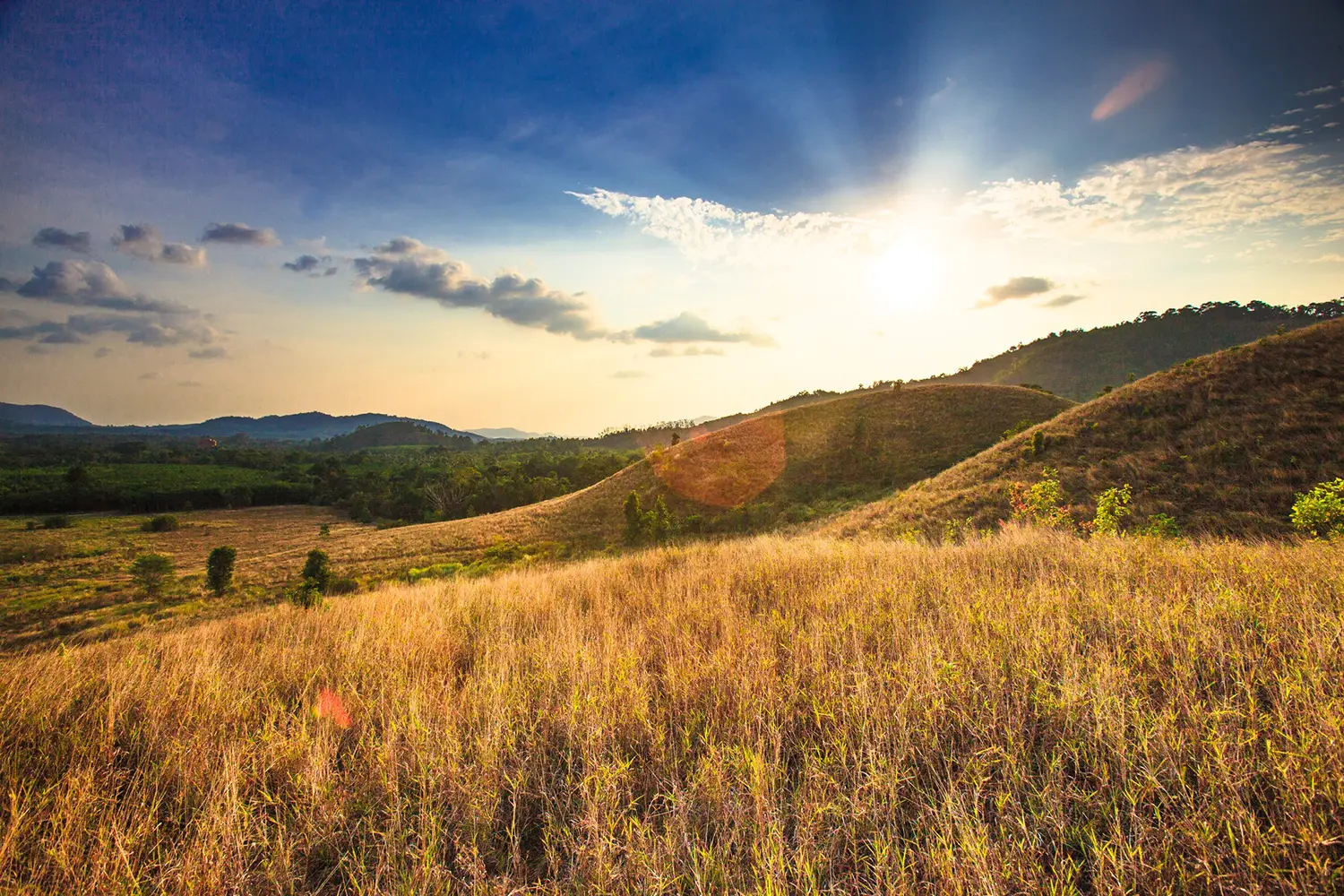
What you don’t see in guidebooks is often the heart of hidden Thailand.
BeYourGuide
Hidden Thailand is not about temples and beaches you already know. It’s about those rare corners where time slows, locals smile, and stories linger in nature and culture. If you seek more than postcards, you’ll love exploring the Thailand few truly see. In this article, we reveal 7 hidden gems—from emerald caves to remote waterfalls—that most travelers never discover.
Many travelers stop at Phuket’s beaches or Chiang Mai’s temples—but hidden Thailand begins where the guidebooks end. If you’ve already explored Phuket tours and activities, here are 7 lesser-known gems waiting for your next journey.
Quick Navigation: Jump to a Section
1. Emerald Cave, Koh Muk (Trang Province)
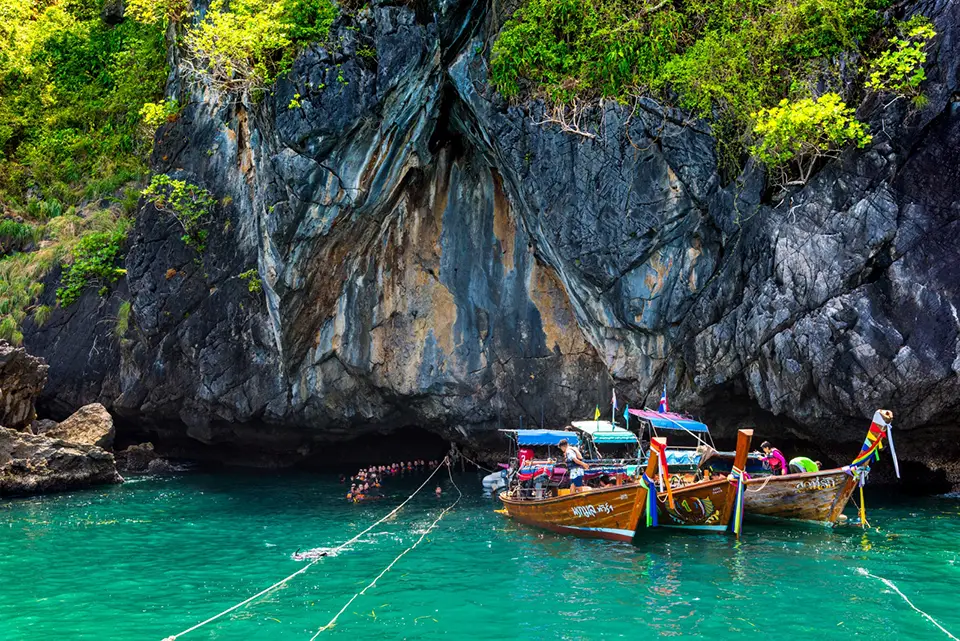
One of the most magical secrets in southern Thailand is Emerald Cave (Tham Morakot) on Ko Muk.
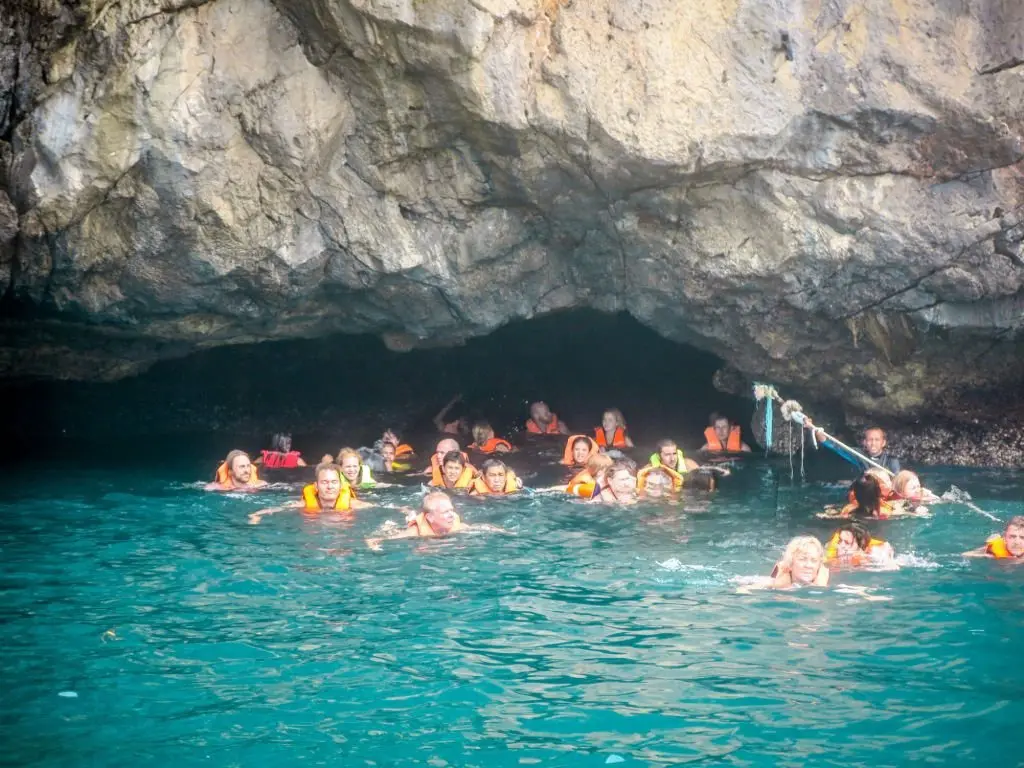
- The cave tunnel is about 80 m long and can be entered by swimming or kayaking.
- At mid-tide (10:00 am–2:00 pm), sunlight turns the water a vivid emerald green, illuminating a hidden lagoon inside the cave.
- Outside, a pristine lagoon and beach await.
- Best visited via a guided kayak or small-group boat tour from nearby Trang islands.
📄Wikipedia
📍Emerald Cave – Koh Muk
2. Khao Sok Floating Bungalows & Cave Trails, Surat Thani
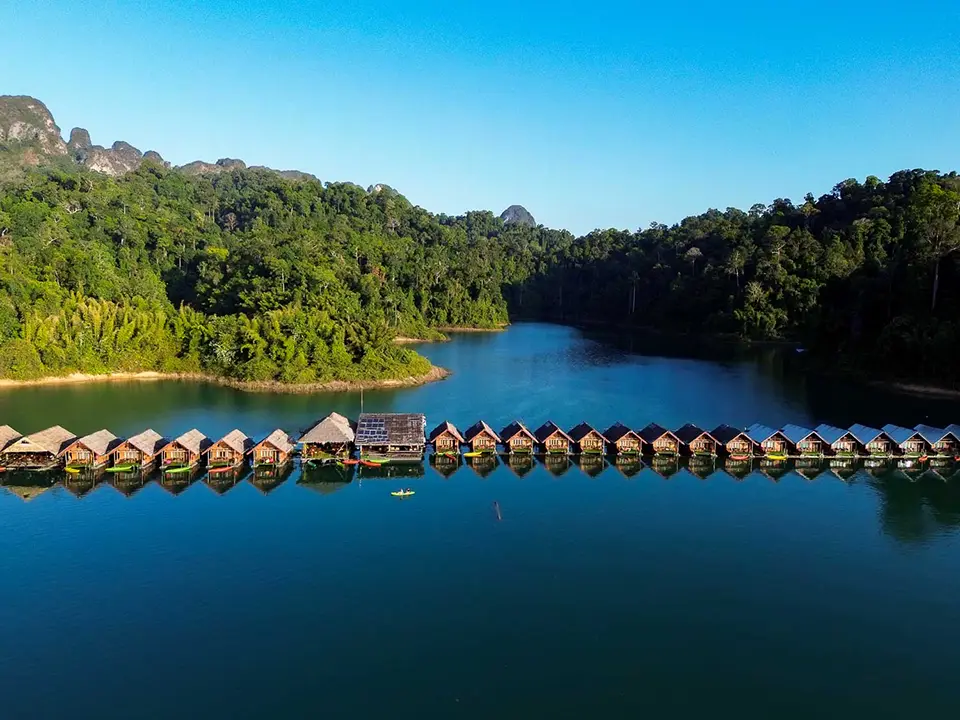
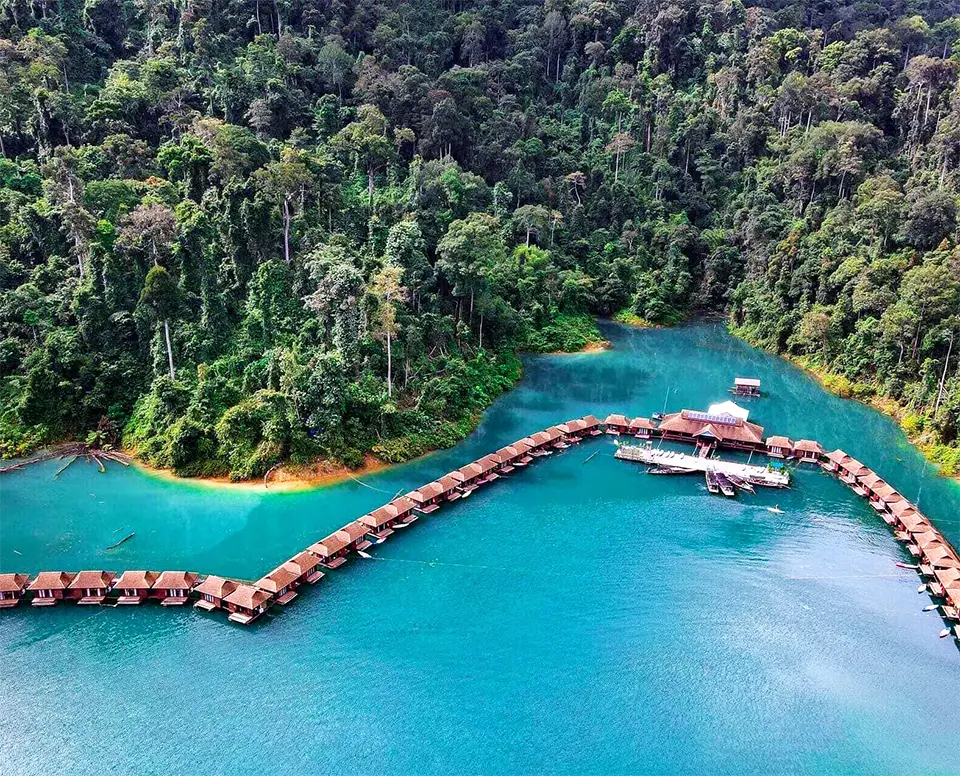
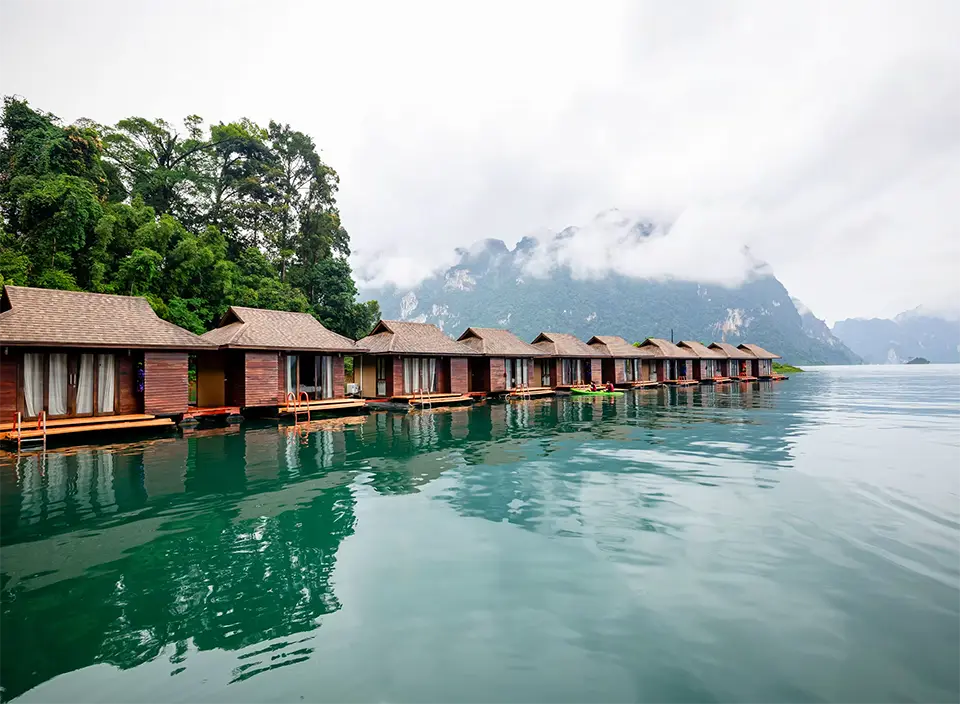
Khao Sok Lake lies deep in the rainforest and remains one of Thailand’s most peaceful escapes.
- The lake covers about 165 km² (64 sq mi) of water, surrounded by towering limestone karsts.
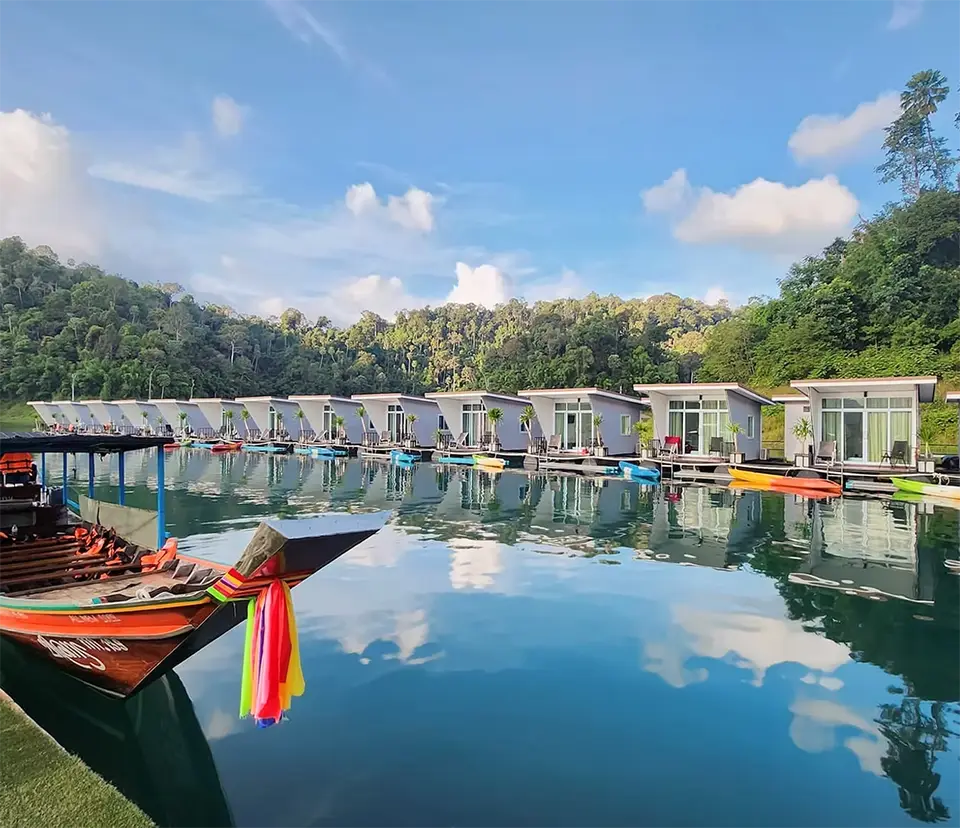
- Visitors often stay overnight in floating bungalows, waking up to jungle sounds and mist.
- Nearby you can explore Nam Ta Lu water caves (wading through streams) or hike to Kri Sorn Viewpoint for panoramic views.
- Because it is somewhat remote, many travelers skip it in favor of Phuket or Krabi—but it’s a gem for nature lovers.
📄Wikipedia
📍Khao Sok Floating Bungalows & Cave Trails
3. Nakhon Si Thammarat’s Waterfall Trails & Shadow Puppets
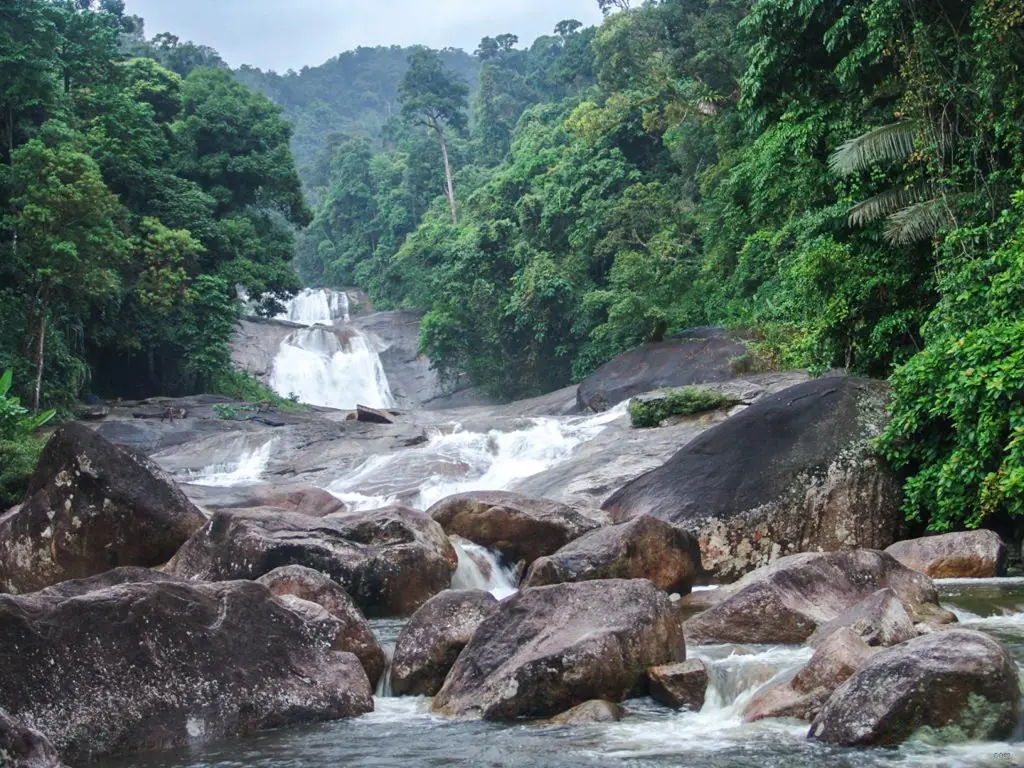
Least known compared to coastal provinces, Nakhon Si Thammarat offers deep cultural and natural treasures.
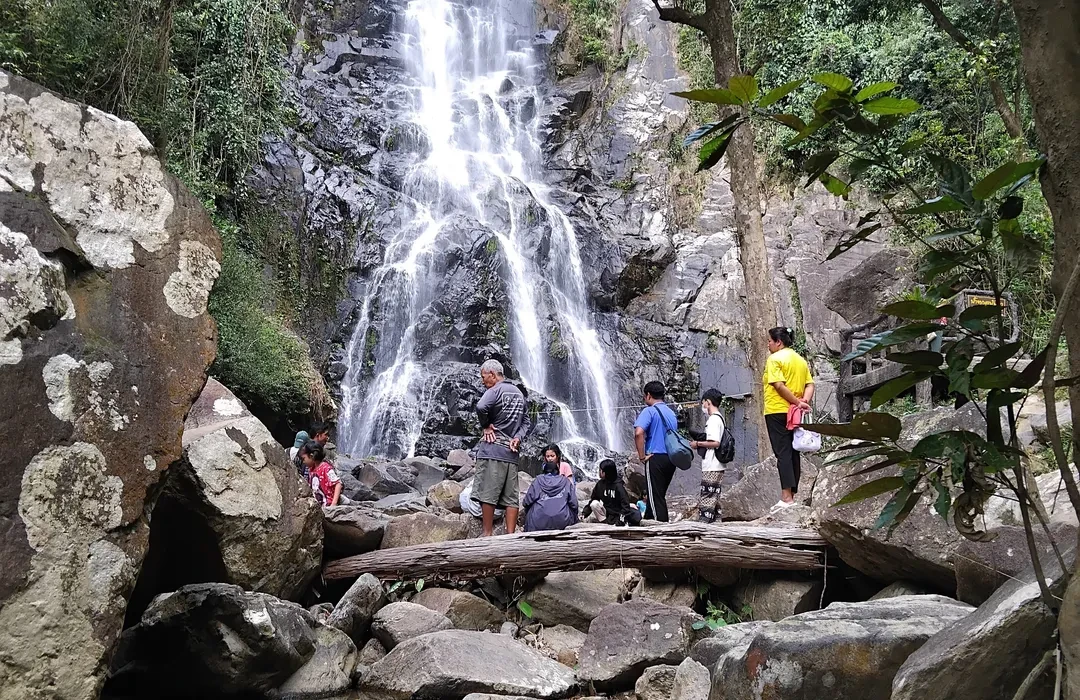
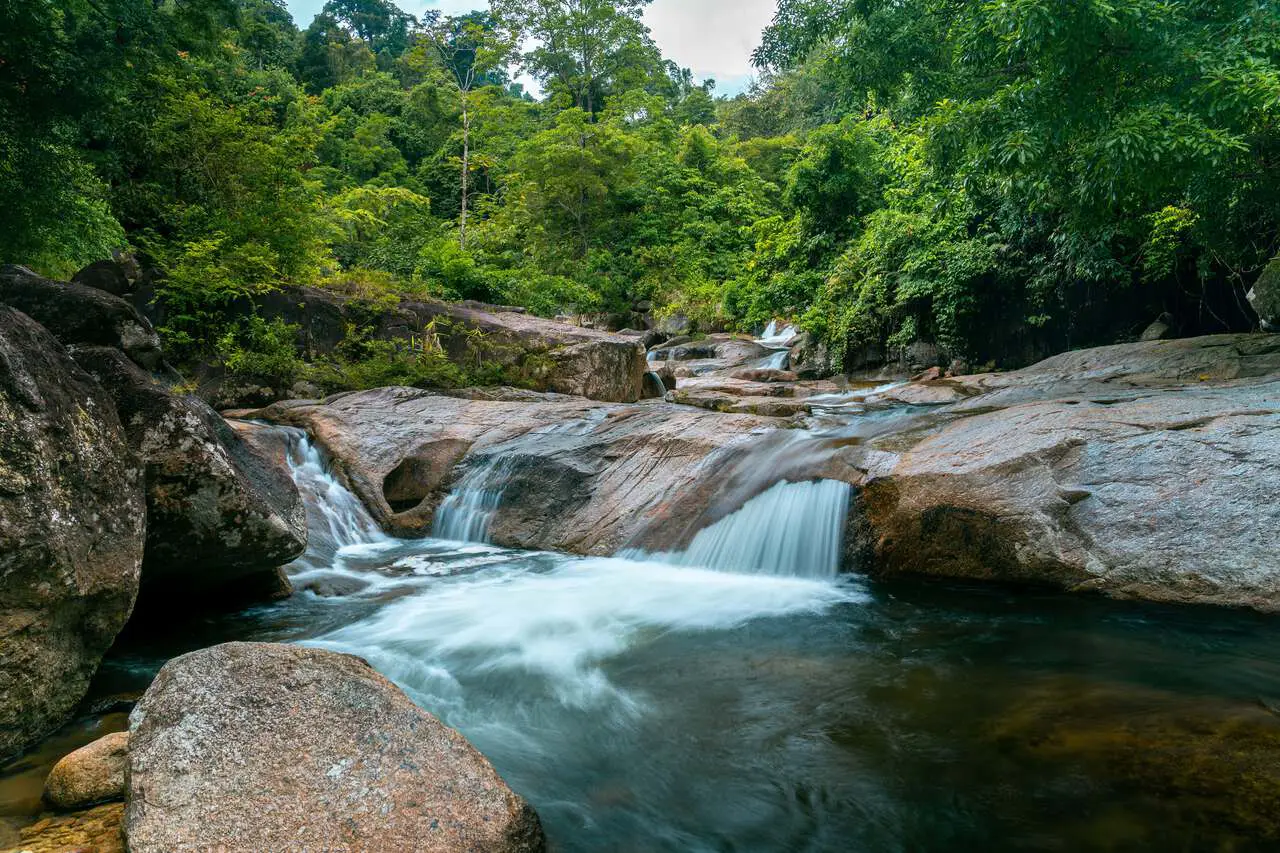
- This region is rich in waterfalls such as Krungching, Karom, Yong, Phrom Lok, Ai Khiao. Many have hiking trails and natural pool areas.
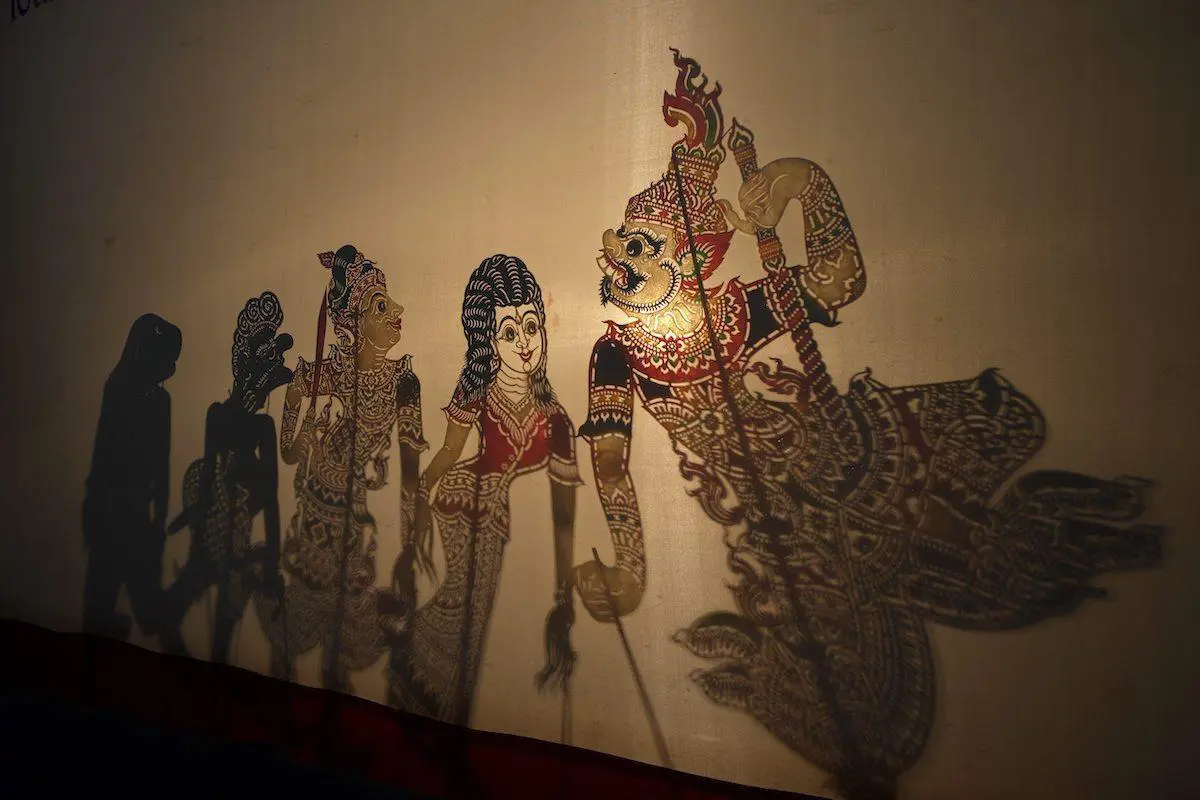
- A unique cultural site is Suchart Subsin’s House of Shadow Puppetry, a family-run museum preserving traditional shadow puppet (Nang Talung) making. Visitors can see how puppets are made—for free.
- The province also is historically important as the capital of the former Tambralinga kingdom (11th–13th century).
This destination suits travelers wanting both nature and authentic culture far from crowds.
📍Nakhon Si Thammarat Waterfalls
💡Pair your offbeat adventures with a few days of ocean bliss—see our curated Phuket experiences and day tours for snorkeling, cultural shows, and eco-friendly island escapes.
4. Phu Khao Ya / Khao Hua Lan (Ranong)
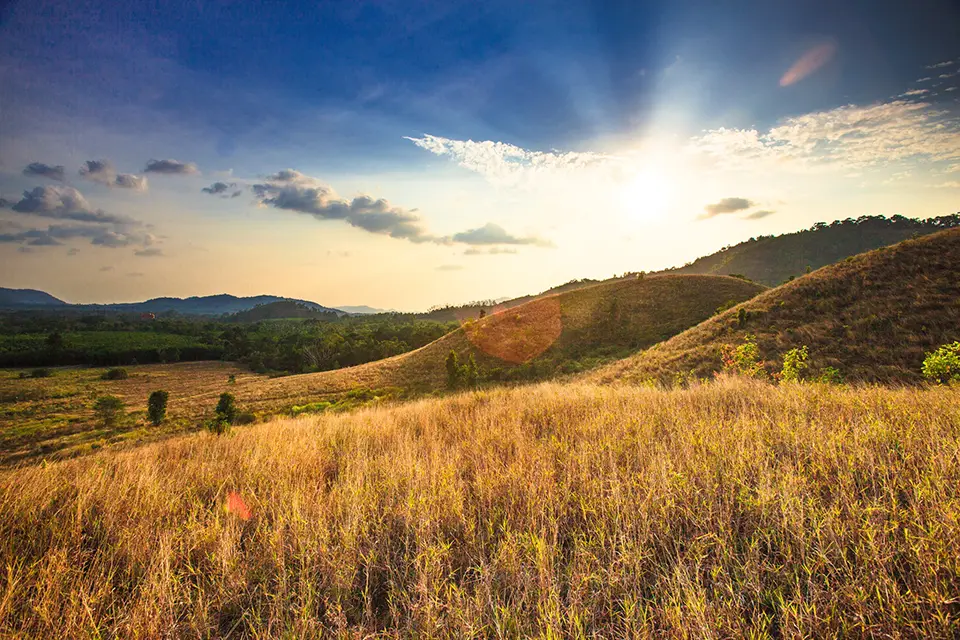
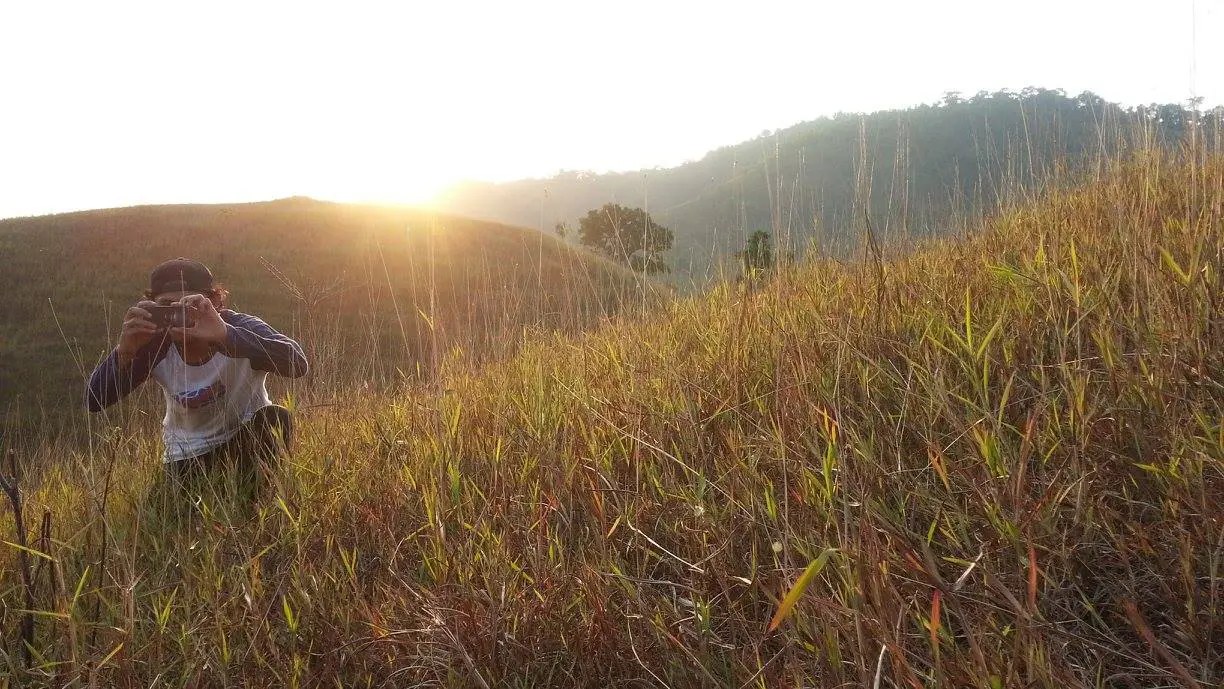
Close to Ranong city (12 km south), Phu Khao Ya (also called Khao Hua Lan) is a grassy hill ridge that changes with the seasons.
- During the rainy season (May–October), the hills are lush green and often shrouded in mist.
- In the dry season (November–April), grass turns golden brown—a different but equally striking look.
- Because it’s less developed and away from mainstream itineraries, many visitors never come.
This is ideal for day-walkers or short hikes in the Ranong region.
5. Sam Phan Bok (Ubon Ratchathani)
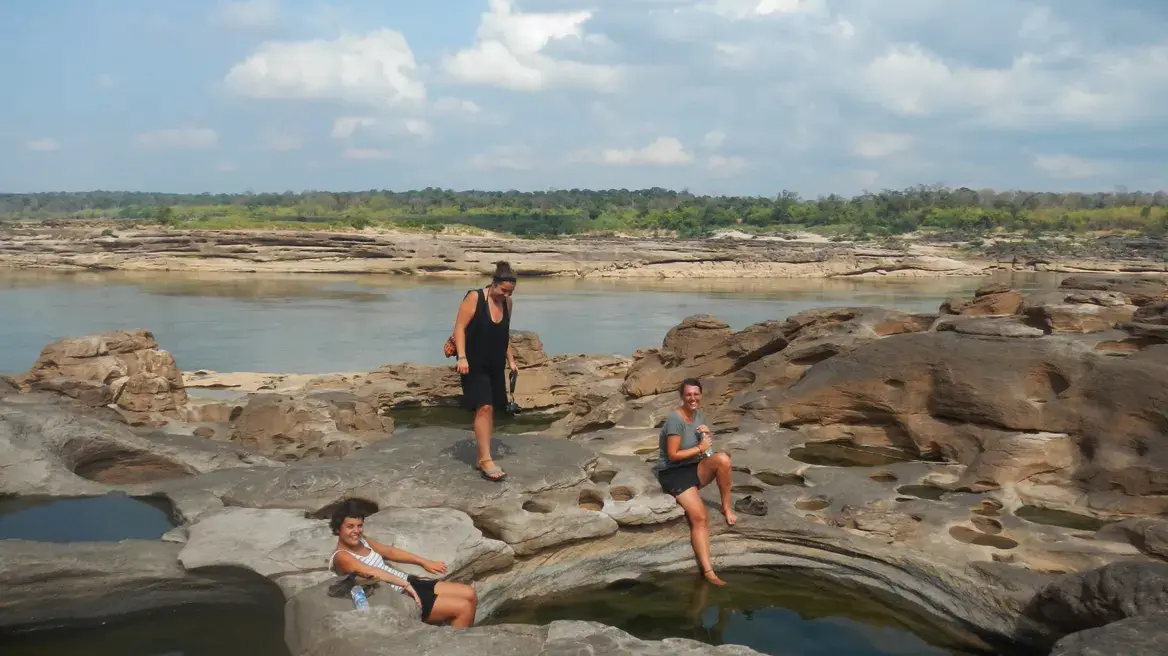
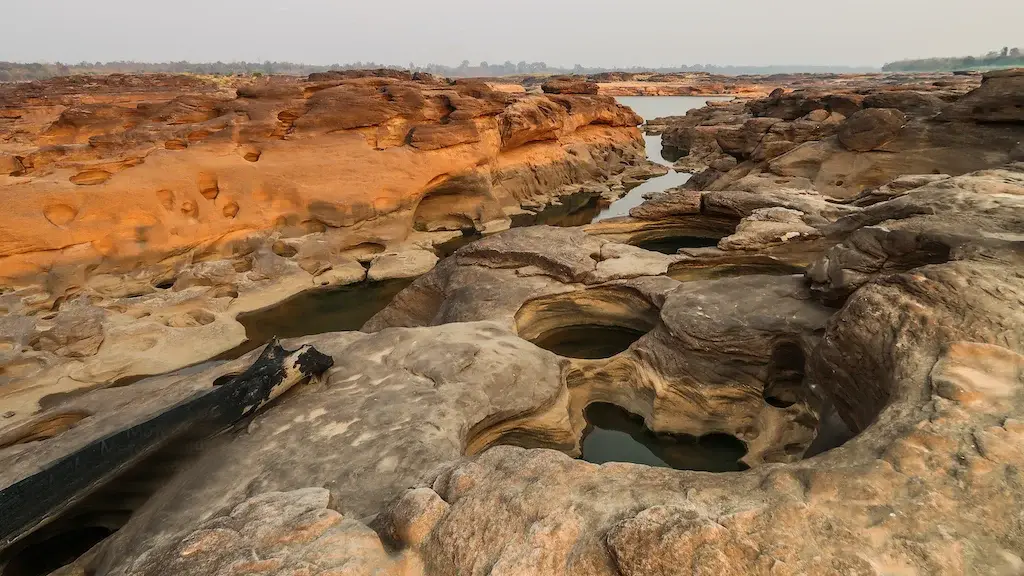
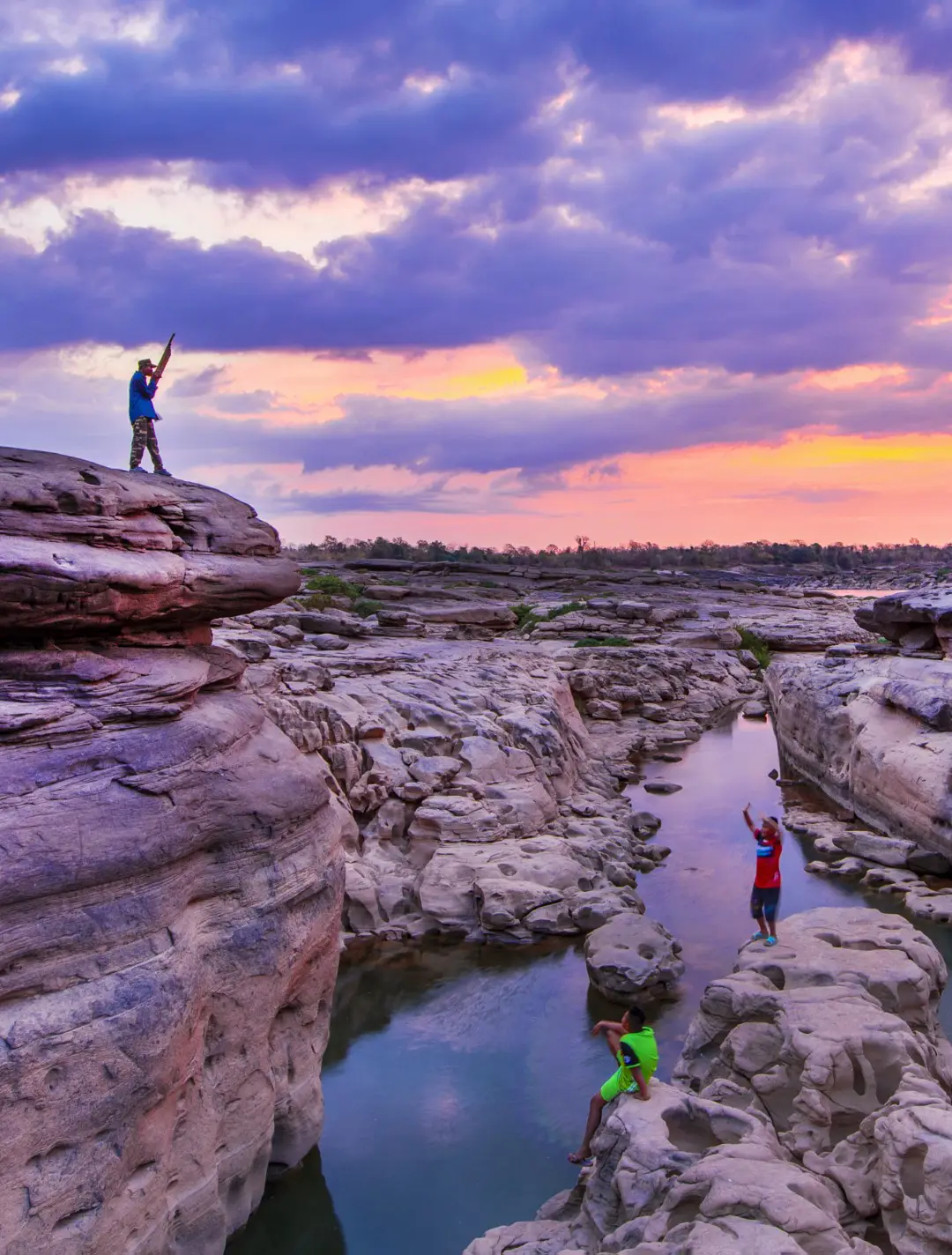
In northeast Thailand (Isan), Sam Phan Bok is known as the “Grand Canyon of Thailand.”
- During the dry season, the Mekong River’s low flow reveals thousands of eroded sandstone basins, potholes, and strange rock formations. “Sam Pan Bok” literally means “3,000 shallow lakes.”
- The best time to visit is in February–April, when water is low and features are exposed.
- It’s located in Pho Sai District, Ubon Ratchathani Province, about 700 km from Bangkok.
This is a spectacular landscape contrast to Thailand’s usual tropical imagery. Good for photography tours, river & rock tours in Isan.
6. Tham Pha Nang Khoi (Phrae)
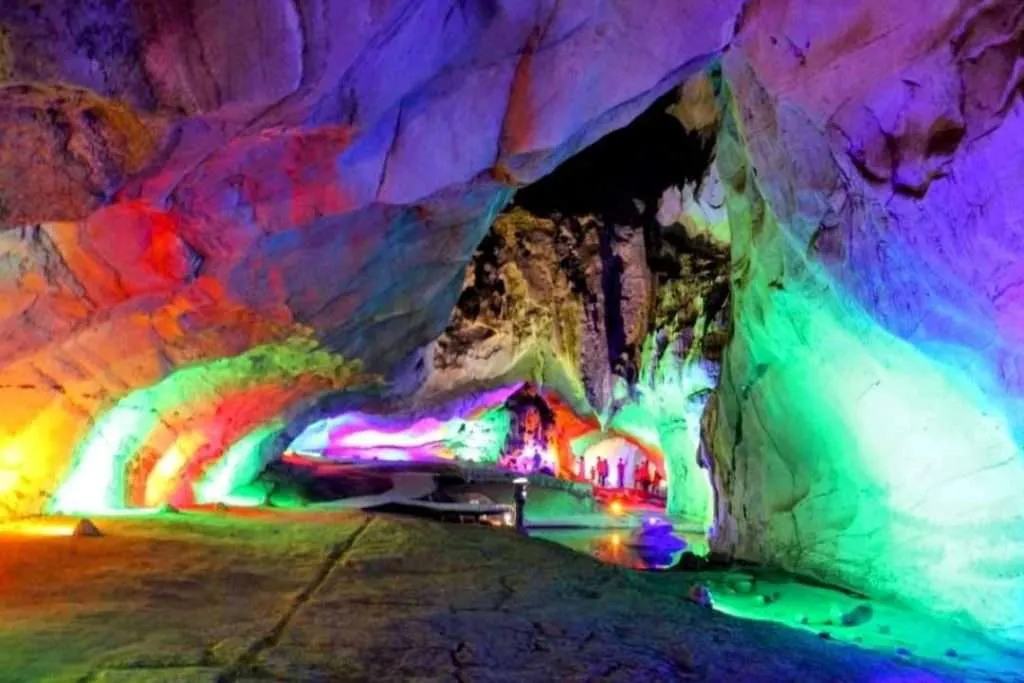
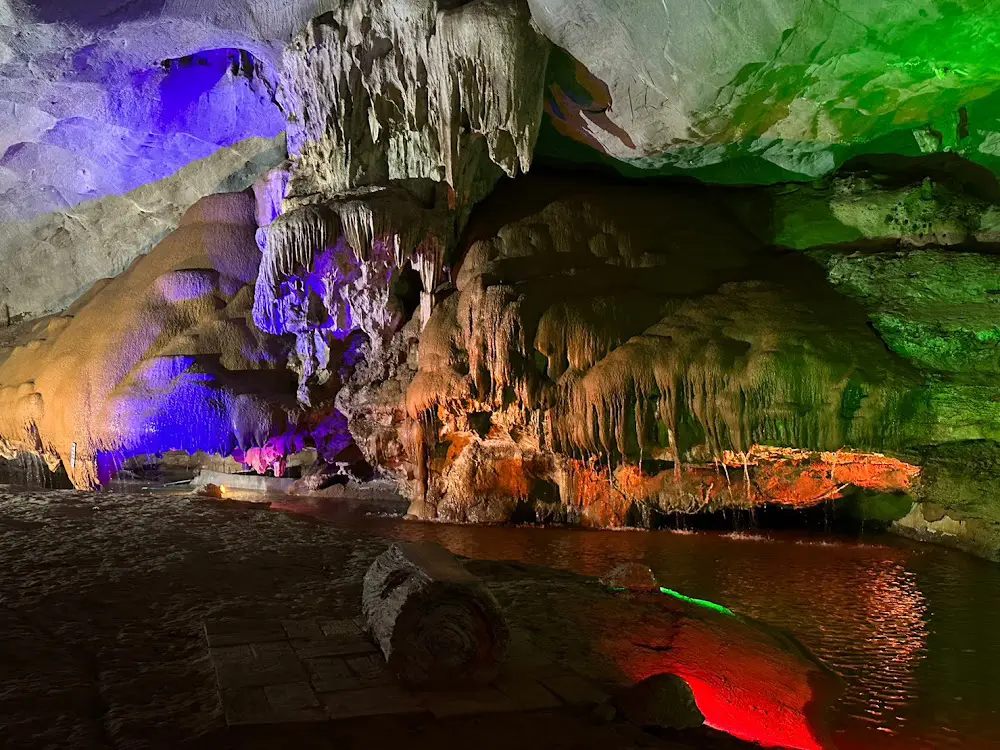
In northern Thailand, Tham Pha Nang Khoi is a karst cave in Rong Kwang District, Phrae Province.
- The cave system is about 1.6 km long, filled with stalactites and stalagmites.
- The main entrance chamber is ~150 m across, perched on a cliff.
- There is folklore behind the name: visitors say some stalagmite formations resemble a woman holding a child.
This cave is not widely known among foreign tourists and is ideal for offbeat cave tours in northern Thailand.
📄Wikipedia
🌐Tourism Authority of Thailand
📍Tham Pha Nang Khoi
7. Hat Chom Dao / Kaeng Chom Dao (Ubon Ratchathani)
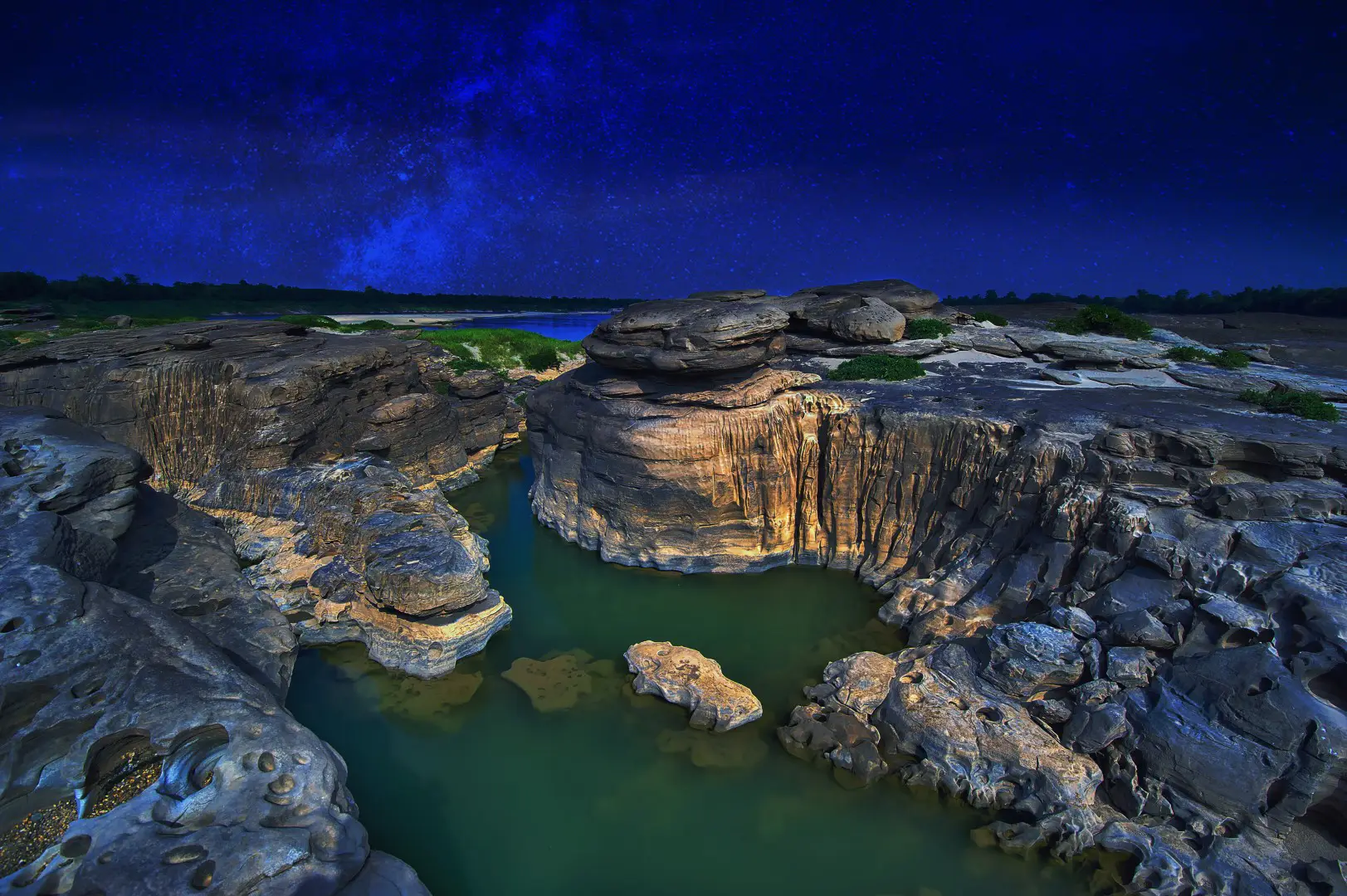
Also in Ubon Ratchathani along the Mekong is Hat Chom Dao (Kaeng Chom Dao).
- In the dry season, white sand beaches appear on the Mekong bank, stretching about 2 km.
- There are over 10 emerald wells (deep rock pools) created by erosion.
- The mid-river cliffs and caves (Ta-Uarn, Ta-ma, etc.) are part of the local landscape.
- Views of sunrise, sunset, and stars over the river are highlights.
It’s perfect for combining river views, coastal walking, and natural stone features away from mass tourism.
📄Wikipedia
📍Hat Chom Dao / Kaeng Chom Dao
Tips to Discover Hidden Thailand Safely & Intelligently
- Use local licensed guides rather than self-driving into remote areas.
- Check seasonality (water levels, weather) before visiting caves or river sites.
- Respect local communities & rules—many sites are in rural or protected areas.
- Combine hidden gems with classic destinations. For instance, explore Trang’s Emerald Cave, then unwind with Phuket’s island and wellness tours—a perfect balance of adventure and relaxation.
Conclusion
Hidden Thailand is not a fantasy—it’s real, tangible, and waiting for curious travelers. These 7 destinations go beyond the guidebooks and invite you to explore landscapes, culture, and stories few ever see. Whether you crave caves, floating homes, or mysterious rock formations, your next great discovery may be just off the beaten path.
Ready to explore? Check out our services on beyourguides.com.
“What you don’t see in guidebooks is often the heart of hidden Thailand.”
FAQs about Hidden Thailand
Q1: When is the best time to visit these hidden spots?
It depends—caves and river rock sites are best in the dry season (November–April) when water is low; rainforest spots (e.g. Khao Sok) are lush but still accessible in the shoulder season. Always check local conditions.
Q2: Are these places safe for independent travel or do I need a guide?
Some are remote or require navigation through trails and water. We strongly recommend using licensed guides familiar with local terrain, especially for caves, kayaking, or river journeys.
Q3: How far off the beaten path are these sites—will I need 4×4 or special transport?
Yes, for some. For example, Nakhon Si Thammarat’s waterfalls may require forest trails. Hat Chom Dao involves riverbank access. Your tour operator should provide proper transport.
Q4: Will I find accommodations near these hidden sites?
In many cases, lodging is basic or rural (guesthouses, eco-lodges). For more comfort, stay in nearby regional towns and do day excursions.
Q5: Can I combine these hidden gems with mainstream attractions?
Absolutely. For example, pair Trang’s Emerald Cave with island hopping. Combine Isan’s Sam Phan Bok with Ubon Ratchathani cultural sites. That balance improves appeal and logistics.
Q6: Can I combine these hidden places with a Phuket trip?
Absolutely. Most visitors fly through Phuket before exploring southern Thailand. Check out our Phuket tours and local experiences to plan your full itinerary.
Begin your Thailand journey with Phuket’s premium tours, then uncover the hidden side of Thailand with beyourguides.com.