


Thai Food is more than a meal—it’s a journey into Thailand’s heart.
Thai Food is one of the world’s most celebrated cuisines. From sizzling street markets in Bangkok to beachfront restaurants in Phuket, every bite connects you to Thailand’s culture, history, and way of life. For travelers from Europe and America, tasting Thai dishes is not just about eating—it’s about experiencing Thailand through flavor.
Quick Navigation: Jump to a Section
Why Travelers Love Thai Food
Balance of Flavors
Every dish balances sweet, sour, salty, spicy, and bitter tastes. This harmony makes Thai cuisine exciting yet comforting.
Street Food Culture
Bangkok, often called the “Street Food Capital of the World,” offers 24/7 markets where travelers can taste dozens of dishes in one night.
Fresh Ingredients
Thai food uses fresh herbs like lemongrass, galangal, and kaffir lime leaves, giving dishes their bright and aromatic flavor.
Healthy Choices
Many Thai dishes are naturally healthy—light soups, stir-fried vegetables, and grilled seafood make it easy to eat well while traveling.
Vegetarian & Vegan Friendly
With Buddhist traditions and a growing wellness culture, many restaurants offer vegetarian or vegan versions of classic dishes.
Diversity of Regional Cuisine
- North: Khao Soi (curry noodle soup)
- Northeast (Isaan): Som Tum (papaya salad), Larb (spicy minced meat salad)
- South: Spicy curries with coconut milk and fresh seafood
- Central: Pad Thai, Tom Yum, Massaman curry
Food as a Social Experience
Meals are shared, bringing people together. Travelers enjoy the Thai way of dining—communal and welcoming.
Affordable Luxury
A full street food meal can cost under USD $3 (≈100 THB), while even high-end Thai restaurants are often more affordable than in Europe or the US.
Instagram-Worthy Presentation
Thai food is visually stunning—bright curries, colorful salads, and artful fruit carvings make it a feast for the eyes as well as the palate.
Cooking Classes & Food Tours
Beyond eating, travelers can learn how to cook Thai dishes. Cooking classes often include market tours where you shop for fresh ingredients.
Unique Desserts
Mango sticky rice, coconut ice cream, and colorful rice cakes (khanom) give visitors a sweet memory of Thailand.
International Recognition
Thai restaurants are found worldwide, but the flavors in Thailand are always fresher, spicier, and more authentic—making the trip unforgettable.
Must-Try Thai Dishes
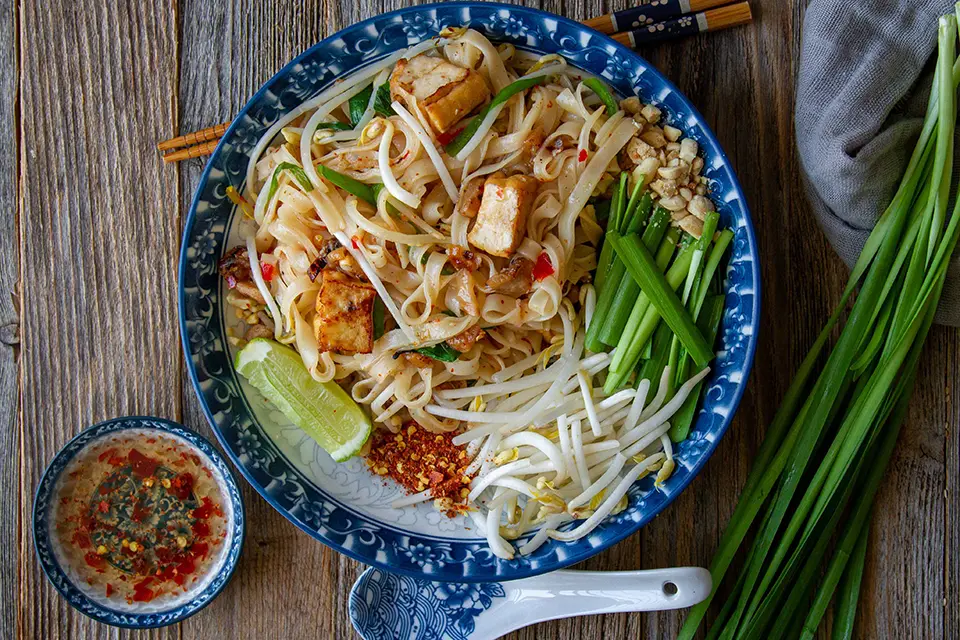
1. Pad Thai
- What it is: Stir-fried rice noodles with shrimp, chicken, or tofu, tossed with bean sprouts, egg, peanuts, and tamarind sauce.
- Why travelers love it: Sweet, tangy, and slightly nutty, it’s Thailand’s most famous dish abroad.
- Best place to try: Bangkok’s Thip Samai (one of the oldest Pad Thai restaurants) or at any street food stall for just 50–80 THB.
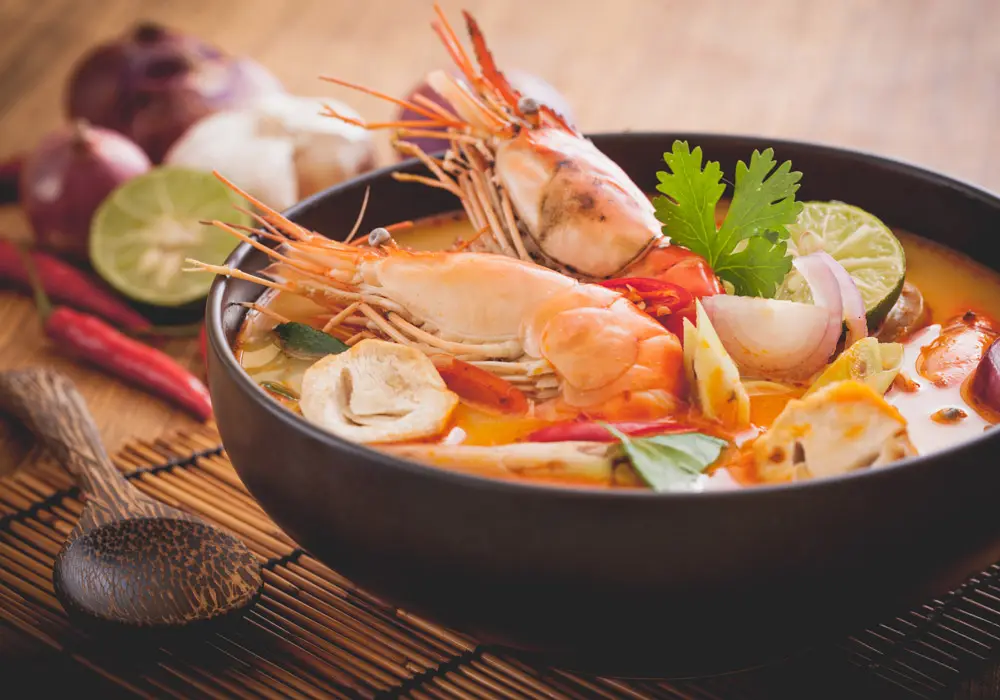
2. Tom Yum Goong
- What it is: Spicy and sour shrimp soup flavored with lemongrass, kaffir lime, galangal, and chili paste.
- Why travelers love it: A bowl of Tom Yum is refreshing, spicy, and deeply aromatic—a real taste of Thailand’s bold flavors.
- Best place to try: Local restaurants in Bangkok or seafood stalls in coastal towns.
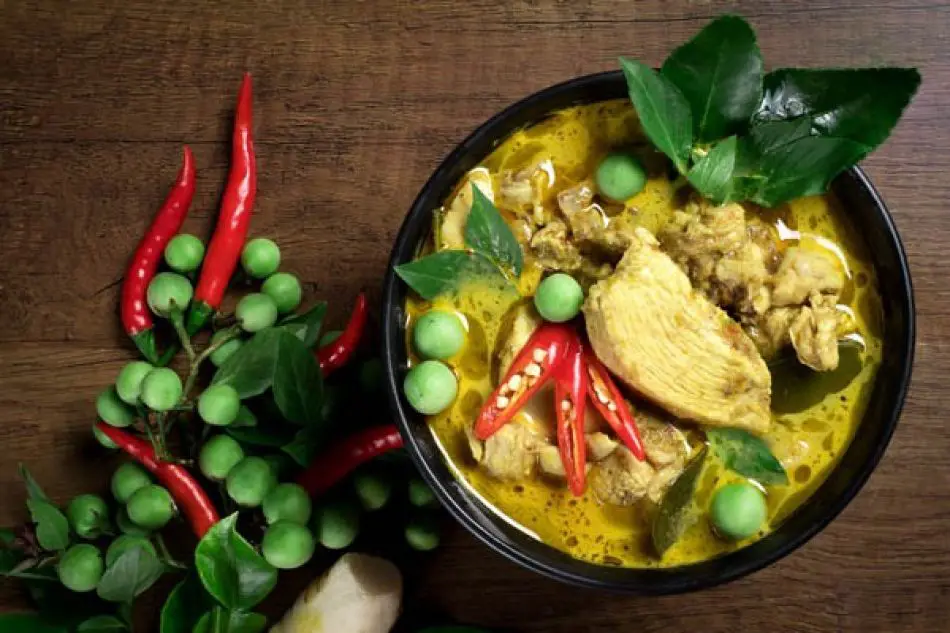
3. Green Curry (Kaeng Khiao Wan)
- What it is: A coconut milk-based curry made with green chilies, chicken, eggplant, and Thai basil.
- Why travelers love it: Creamy yet spicy, it’s a comforting dish that pairs perfectly with jasmine rice.
- Best place to try: Central Thailand, particularly Bangkok and Ayutthaya.
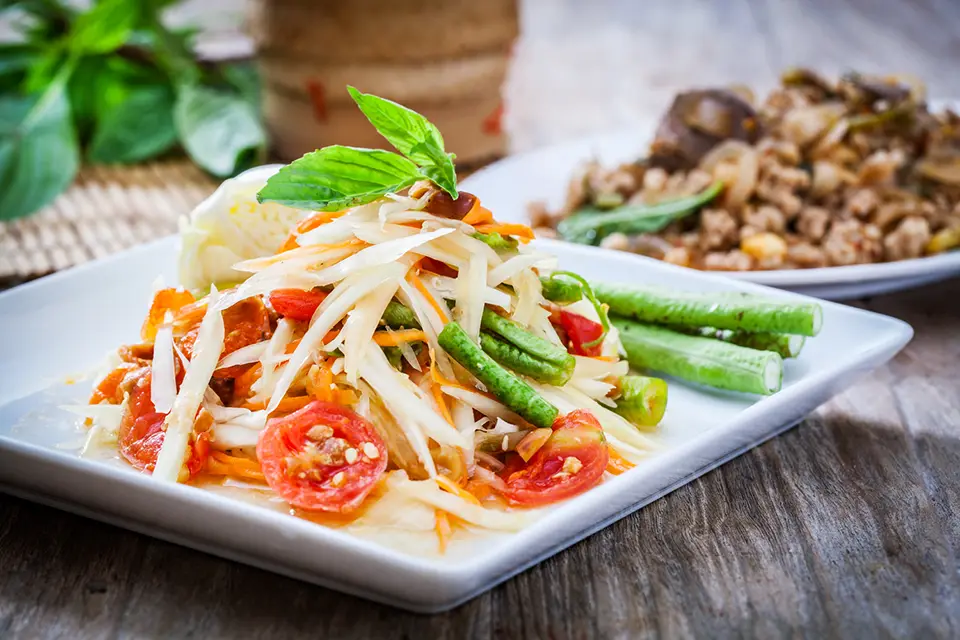
4. Som Tum (Papaya Salad)
- What it is: A refreshing salad made from shredded green papaya, tomatoes, lime juice, chili, and roasted peanuts.
- Why travelers love it: Crisp, spicy, and tangy—it’s both a snack and a light meal.
- Best place to try: Northeastern Thailand (Isaan region), or from street vendors in Bangkok and Chiang Mai.
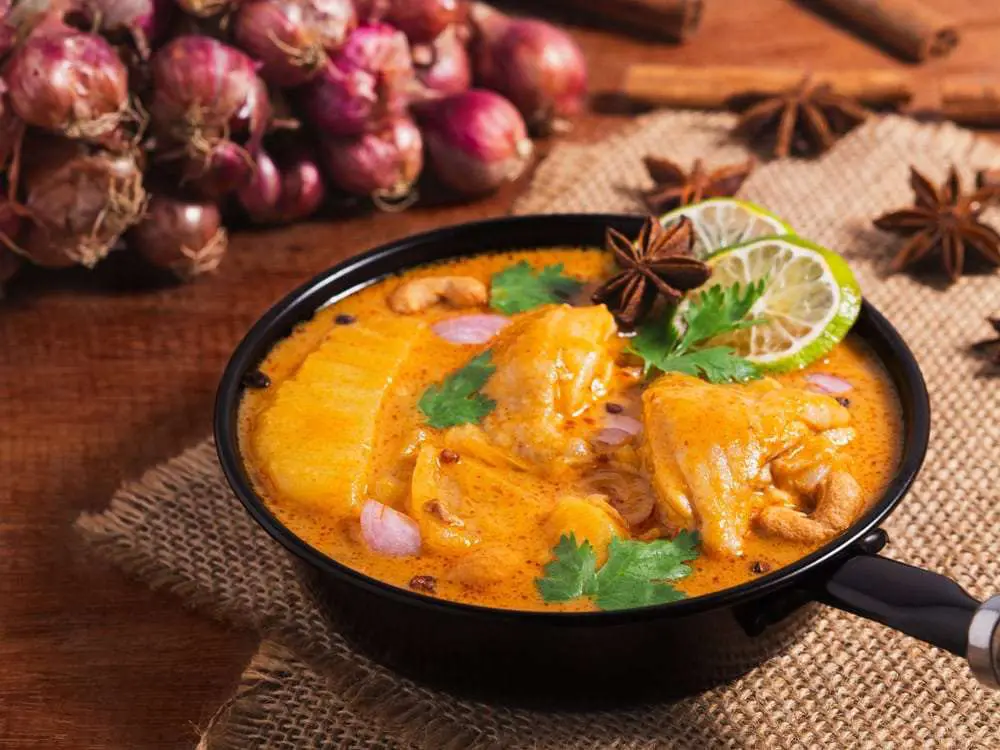
5. Massaman Curry
- What it is: A mild, slightly sweet curry with Persian influence, made with potatoes, peanuts, and slow-cooked beef or chicken.
- Why travelers love it: It’s less spicy than other curries, making it perfect for travelers who prefer a gentler flavor.
- Best place to try: Southern Thailand, especially in Muslim communities.
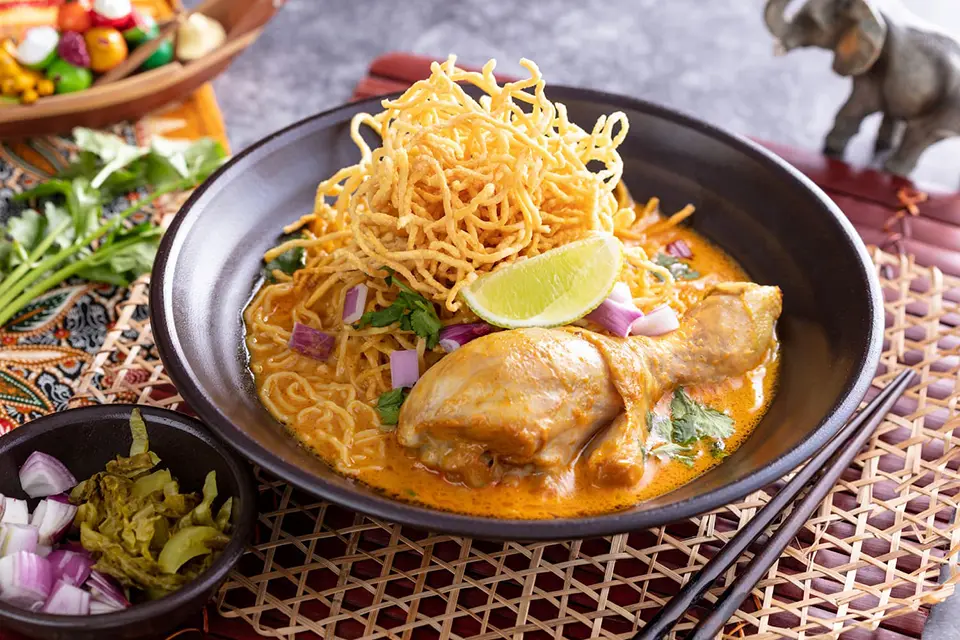
6. Khao Soi
- What it is: Northern Thai curry noodle soup with coconut milk, served with crispy fried noodles on top and pickled vegetables on the side.
- Why travelers love it: Rich, warming, and unique to northern Thailand.
- Best place to try: Chiang Mai and Chiang Rai.
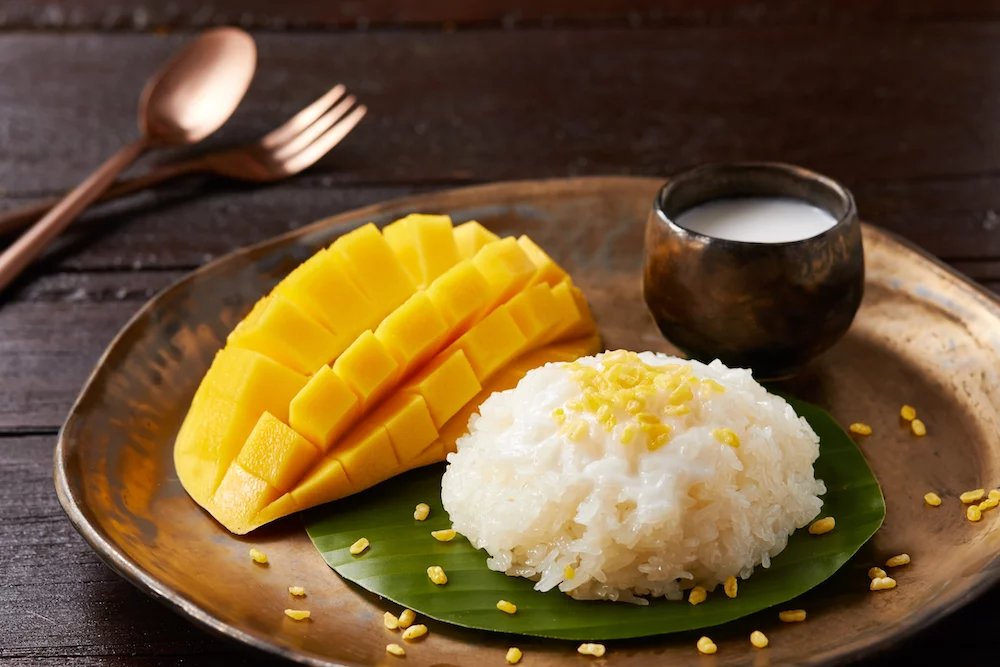
7. Mango Sticky Rice
- What it is: Sweet glutinous rice topped with ripe mango slices and coconut cream.
- Why travelers love it: The perfect balance of creamy, sweet, and fruity—a refreshing end to any Thai meal.
- Best place to try: Bangkok’s Chatuchak Market or dessert shops across Thailand during mango season (March–June).
✨ Optional Add-ons for a longer list (SEO-friendly):
- Satay – Grilled skewers of chicken or pork with peanut sauce.
- Boat Noodles – Flavor-packed noodle soup originally served on Bangkok’s canals.
- Thai Iced Tea – Sweet, milky, orange-colored tea, perfect for cooling down in the tropical heat.
Food and Culture Connection
Eating in Thailand is deeply social. Meals are shared, with dishes placed in the center for everyone. For locals, food is not just about taste—it’s about family, community, and celebration. Joining a food tour or home-style cooking class gives visitors a chance to connect with Thai people in a genuine way.
🌏 Read more about Thai Culture Experiences.
- 10 Best Food in Chiang Mai: Delicious Local Dishes That Will Amaze You
- Seafood Paradise in Phuket – Top 3 Fresh & Scenic Dining Spots
- 5 Must‑Try Khao Soi Spots in Chiang Mai – Rich Coconut Curry & Crispy Noodles
FAQs about Thai Food
Q1: What’s the best food tour in Bangkok?
A guided street food tour in Chinatown (Yaowarat Road) is among the most popular, offering tastings of 8–10 authentic dishes.
• Experience Bangkok: Hidden Gems Guided Food Tour by Tuk Tuk
• Discover authentic Thai cuisine: Bangkok Night Tuk-Tuk Tour: Chinatown Discovery
Q2: Is Thai street food safe for foreigners?
Yes, especially when guided by local experts. Tours ensure clean, fresh, and trusted vendors.
Q3: Can I learn to cook Thai food in Thailand?
Yes, cooking classes are popular in Bangkok, Chiang Mai, and Phuket, often including market visits.
Q4: What is the average cost of Thai street food?
Street dishes usually range from 40–100 THB (USD 1–3), making it both affordable and delicious.
Q5: How spicy is Thai food?
Thai food can be very spicy, but you can always request “mai phet” (not spicy) or “phet nit noi” (a little spicy) when ordering.
Q6: Are there vegetarian or vegan options in Thai cuisine?
Yes, many dishes can be made vegetarian or vegan by replacing fish sauce with soy sauce and using tofu instead of meat.
Q7: What’s the difference between Thai curries (green, red, Massaman)?
- Green Curry: Spicy, with green chilies and fresh herbs.
- Red Curry: Rich and hot, with dried red chilies.
- Massaman Curry: Milder, with potatoes and peanuts.
Q8: Can I drink tap water in Thailand?
No, tap water is not recommended. Always drink bottled water, which is inexpensive and widely available.
Q9: Do Thai people eat with chopsticks?
Chopsticks are used mainly for noodle dishes. For rice-based meals, Thais typically use a spoon and fork.
Q10: What time do Thai people usually eat dinner?
Most locals eat dinner around 6–8 PM, but street food markets often stay open late into the night.
Q11: Are Thai desserts worth trying?
Yes, beyond mango sticky rice, try coconut ice cream, Khanom Buang (crispy pancakes), or Tub Tim Grob (water chestnut in coconut milk).
Q12: Is tipping expected at Thai restaurants?
Not required, but rounding up the bill or leaving 20–50 THB is appreciated in casual restaurants. For high-end dining, 10% is standard.
Conclusion
From spicy curries to sweet mango sticky rice, Thai Food is more than something you taste—it’s something you remember. Every dish tells a story of Thailand’s culture and traditions. If you’re planning your trip, don’t just see Thailand—taste it.
👉 Ready to experience it for yourself? Book your Thai Food Tour with BeYourGuide today.